
Words and photography by Joseph Richards
In the course of the last few years, there have been groundbreaking projects taking off across the country inviting hunters who harvest waterfowl or wild turkeys to register and participate in genetic research. These projects, duckDNA and wildturkeyDNA, are laying a foundational understanding of how genetics play a role in the behavior and ecology of their respective species which may lead to science-informed management decisions.
duckDNA
Born in 2023 as a collaborative project between Ducks Unlimited and the Lavretsky Lab at the University of Texas at El Paso (UTEP), duckDNA is regarded as one of the largest wild system citizen science-based studies ever attempted.
“The duckDNA project is a first of its kind effort to gather hunters and study waterfowl genetics in North America at a scale that would otherwise be impossible,” said Dr. Philip Lavretsky, Associate Professor of Biological Sciences and primary investigator at UTEP.
Waterfowl hunters have served as citizen scientists for decades by reporting harvested bands to the U.S. Geological Survey Bird Banding Laboratory and donating wings and tail feathers for the U. S. Fish & Wildlife Service Migratory Bird Harvest Survey. The duckDNA project recruits waterfowl hunters to voluntarily contribute their harvested duck tissue samples in order to advance our knowledge of hybridization and genetic structure in North American waterfowl.
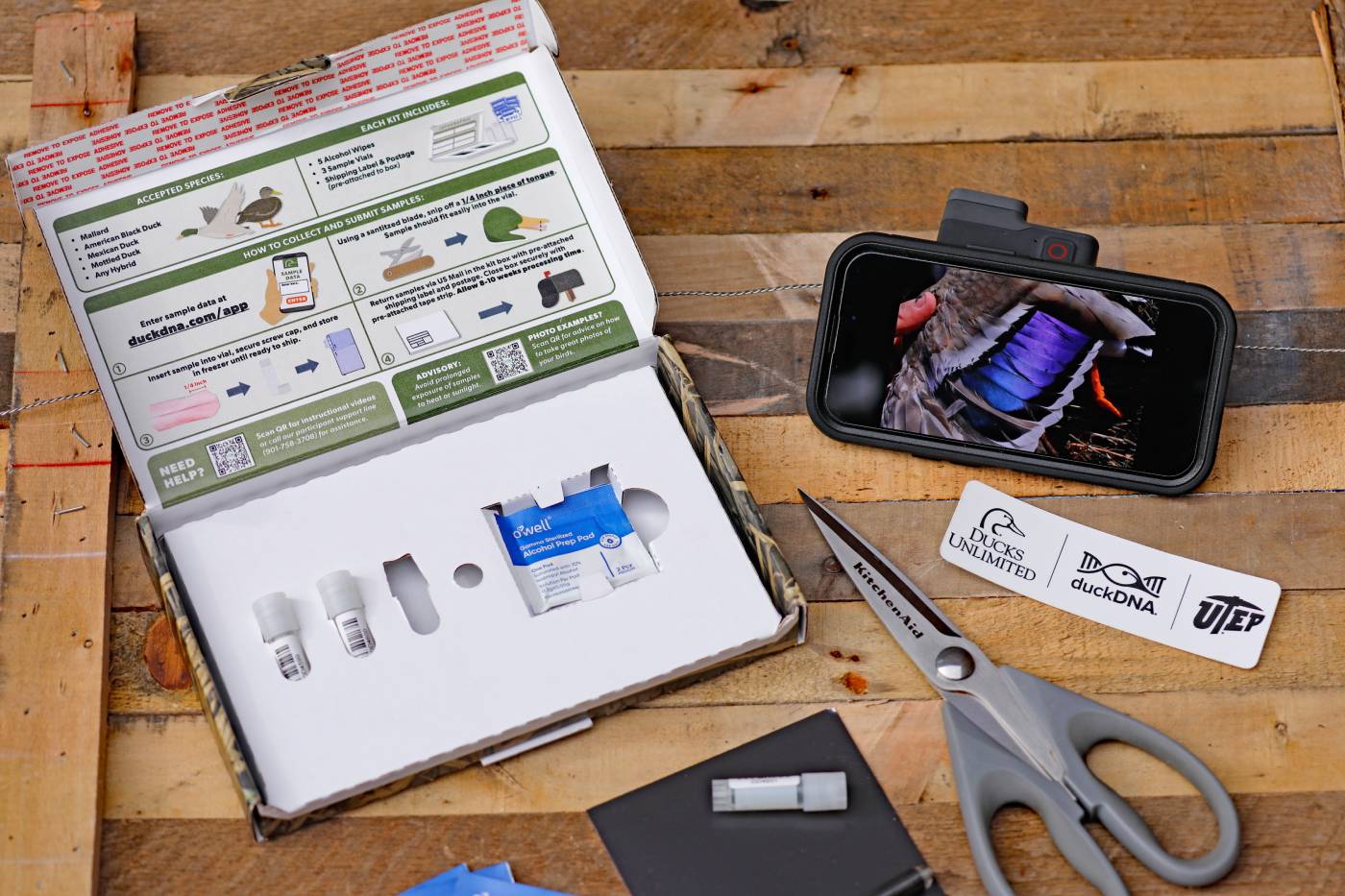
The process starts when hunters apply to participate on the duckDNA project website www.duckdna.com. Sampling kits are mailed to selected hunters across the lower 48 (this year to also include Alaska) to systematically collect genetic samples from all four major flyways. Following the instructions in the kit, the hunter submits the tip of the duck’s tongue (approximately ¼ of an inch) in the provided vial which is promptly shipped to Dr. Lavretsky’s lab for analysis. Samples are processed relatively quickly (8-10 weeks) due to the assembled genetic references available for most North American waterfowl. The hunter receives a pedigree certificate with the genetic makeup of their harvested duck including if it was a hybrid or not.
Conserving genetic diversity is an important factor in long-term conservation. One of the primary objectives of the duckDNA project is to monitor and further our understanding of game farm ancestry found in populations and the potential consequences to North America’s wild mallards.
“In our preliminary findings, we are seeing very high loads of individuals with game farm ancestry in the Atlantic Flyway, Great Lakes region and California,” said Lavretsky. “The pairing between a game farm mallard and a wild mallard creates a clutch resulting in individuals that appear more related with reduced genetic diversity. Any bird under 75% wild ancestry shows a strong correlation with reduced migratory capacity, foraging behavior and survival.”
The duckDNA project will help address several genetic questions from the impacts of game farm genetics in wild mallards to documenting hybridization and generational back-crosses in different species.
“With thousands of georeferenced samples and images of harvested birds, we can look at genetic associations with migration, habitat usage and plumage characteristics at the individual and population level,” said Lavretsky.
In less than two years, the duckDNA project has processed over 2,500 duck samples and plans to double that number by the end of their third year. The project is also expanding into geese species to study their genetic structure across the continent.
“We didn’t know what the response from hunters would be, but it has been an overwhelming success. Three years later, we are still getting a really high response with over 3,600 applicants, and we’re expecting that to climb over 4,000,” said Lavretsky. “Waterfowl are now the largest wild genetic repository outside of humans. It would not be possible without the hunters, landowners and conservationists providing the donations to make this publicly available.”
WildturkeyDNA
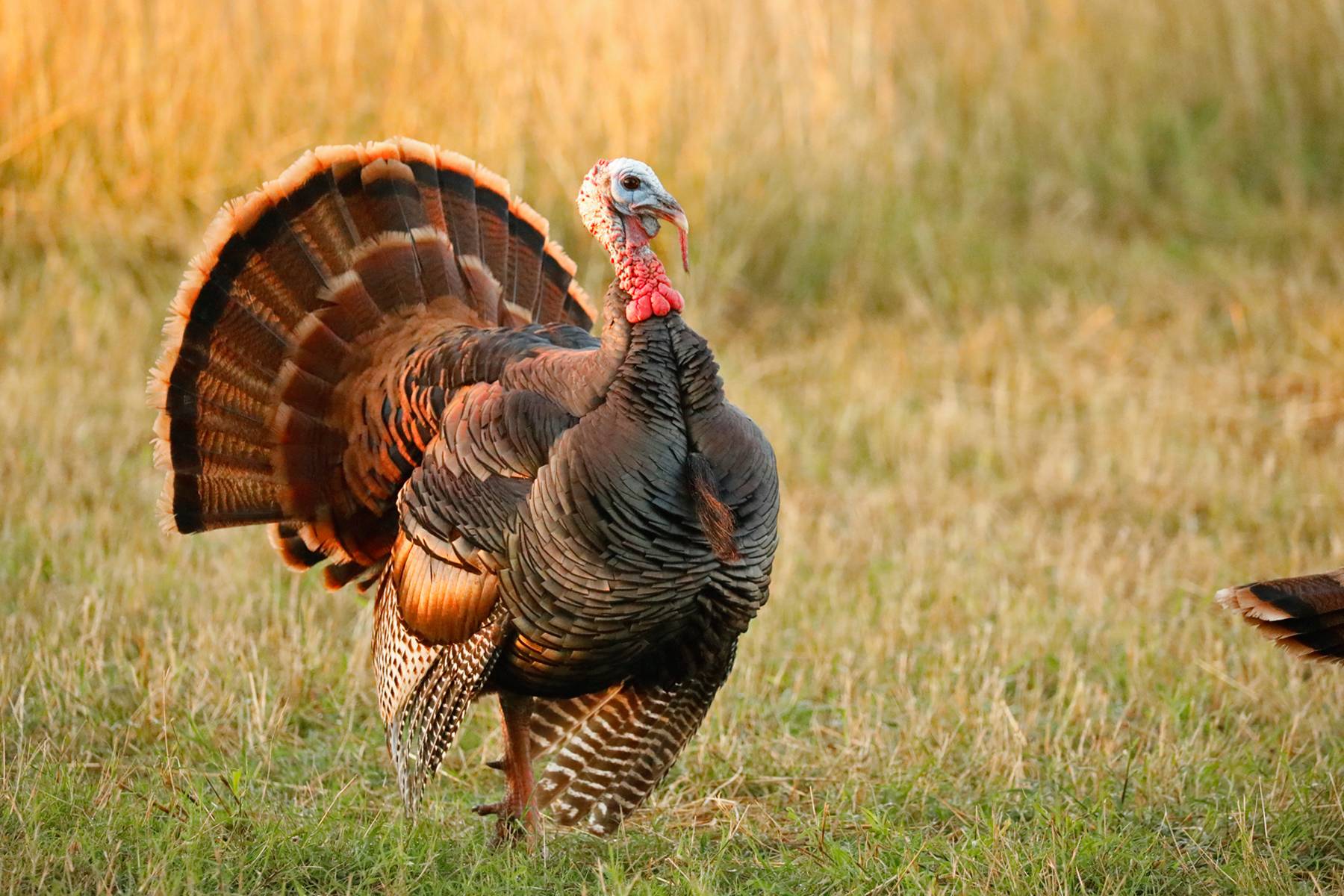
In the midst of duckDNA’s multifaceted approach of engaging hunter participation and building repositories of genetic material from hunter harvests at a national scale, the project’s infrastructure represented an exemplar model to be employed for other species.
After a phone conversation on Superbowl Sunday with Dr. Mike Chamberlain (National Wild Turkey Federation Distinguished Professor at the University of Georgia), an idea for a collaborative partnership between Ducks Unlimited, National Wild Turkey Federation, the Lavretsky Lab at UTEP, Chamberlain’s Wild Turkey Lab, and the Low Country Game Bird Foundation was forged that would adapt the duckDNA model for exploring odd plumage variations in wild turkeys.
“Using duckDNA, we mirrored the project with wildturkeyDNA which allowed it to come to fruition rather quickly,” said Chamberlain. “WildturkeyDNA perfectly mimicked duckDNA but with a focus on wild turkeys with odd plumage characteristics. In 2026, as was the plan from the start, we will expand the project to focus on evaluating genetic diversity, hybridization and subspecies delineations across the whole species’ range.”
In the first year of the project, the researchers anticipated for 75 hunter harvest samples and received 120. The plan for 2026 is to mail 1,100 sampling kits out to turkey hunters nationwide. Adopting the same approach as duckDNA, turkey hunters can apply on the wildturkeyDNA website www.wildturkeyDNA.com for a sampling kit. The researchers will select hunters from different states to try and cover as large a geographic area as possible within the wild turkey’s distribution.
“In our first year, we had numerous instances of turkeys with odd plumage that were 100% wild but a hybrid between two subspecies. One of our project deliverables will be to offer hunters a snapshot across the wild turkey’s range where certain subspecies occur, where hybridization zones are, and what those birds look like from a plumage characteristics standpoint,” said Chamberlain.
With a history of stocking wild birds from other states or birds with known farm domestic genes (known as Heritage variety), wild turkey genetics have revealed to be far more complicated than duck genetics. During restoration, nonprofits and state agencies were focused keenly on restocking any turkeys to their original range and beyond. In some states, there were translocations involving multiple subspecies ending up in the same geographic area.
Dr. Lavretsky explains, “For turkeys, areas with high land fragmentation and a history of restocking from the same source have shown really high inbreeding coefficients and low genetic diversity, which is a problem. That information is important for future translocations so we can artificially simulate connectivity to promote survival and breeding.”
By recognizing the genetic structure and boundaries of wild turkey groups that do not acknowledge state or management boundaries, the wide-ranging and intensive sampling from wildturkeyDNA will contribute valuable management information that can benefit interstate agency cooperation, planning, and future restocking efforts.
“We will be able to detect those original restoration efforts and identify genetic sources that have done well in some states and sources that are no longer present genetically. We can determine which source populations can reverse those negative trends and potentially go back to the more fit populations to use going forward,” said Chamberlain.
Supporting Innovation
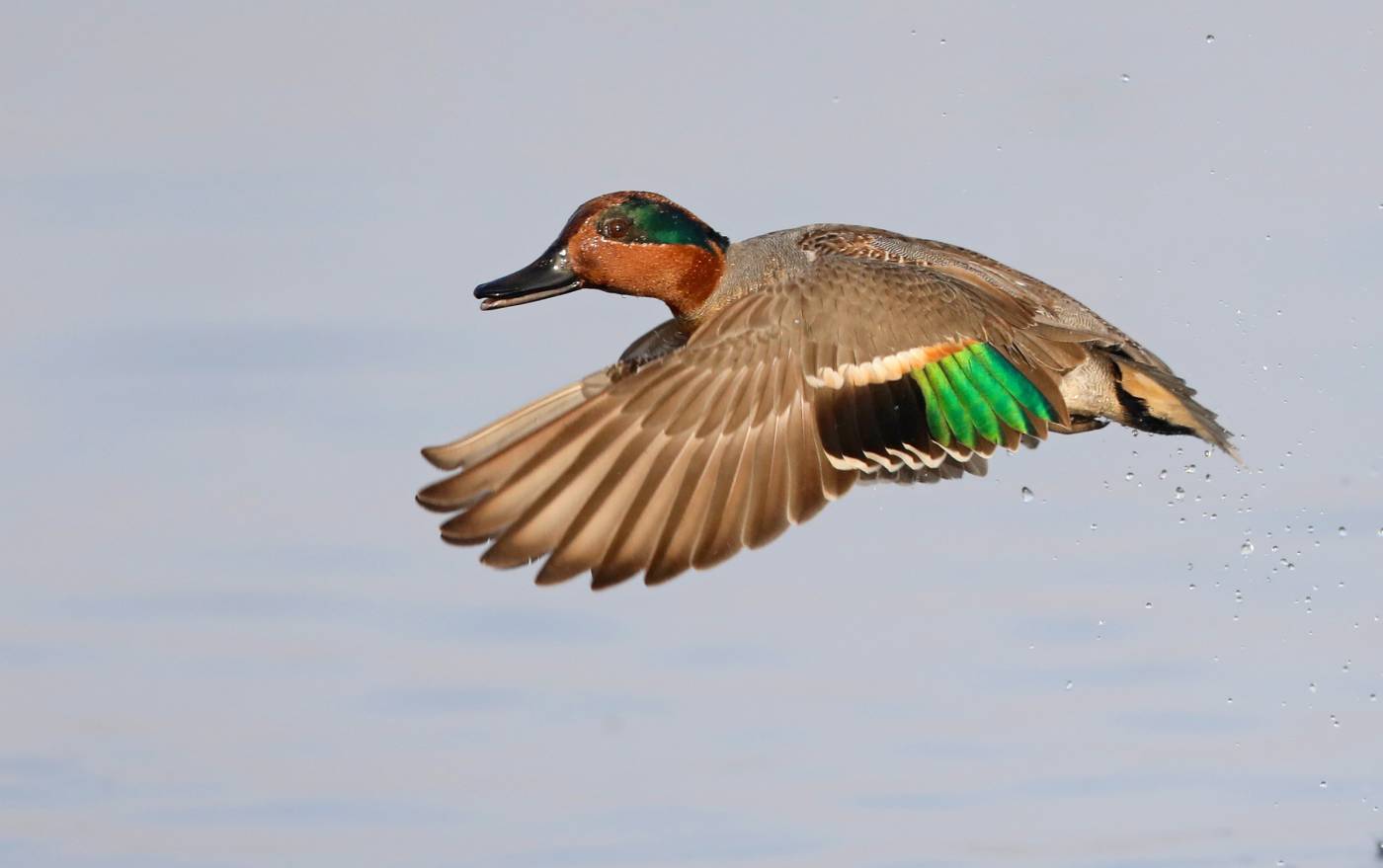
Using cutting-edge molecular techniques and technologies, both duckDNA and wildturkeyDNA offer insights about wild bird ecology at scales never before imaginable – none of which would be possible without the assistance of the waterfowl and turkey hunting communities engaging in current research efforts.
“With the engagement and cooperation from hunters, it has been completely transformative in the way we do science. Our capacity to monitor waterfowl annually and across all of the hunting season and flyways is something that is impossible to do without the hunters collecting the birds,” said Lavretsky.
“I have been very pleased with the engagement from hunters. The duckDNA project showed us that there were a few thousands hunters that registered, and that level of interest has exploded since. My suspicion is we will have enough initial interest right out of the gate for our expanded wildturkeyDNA effort given how much interest has already been generated by this project,” said Chamberlain.
If you are interested in learning more about the research projects or registering for a sampling kit, please visit the project websites www.duckdna.com and www.wildturkeydna.com To support the ongoing research efforts, please consider purchasing an inaugural Mossy Oak Waterfowl Conservation Stamp where 100% of the proceeds go to support the duckDNA project or donate to the Lavretsky Lab Waterfowl Conservation Fund.
For project updates make sure to follow the projects on their social media channels.