




Keith Lusher, Jr.
It’s June and the temperatures are rising across the country. Here in the Southeast we’ve already touched 90 degrees a few times and fishing isn’t quite as comfortable as it was a month ago.
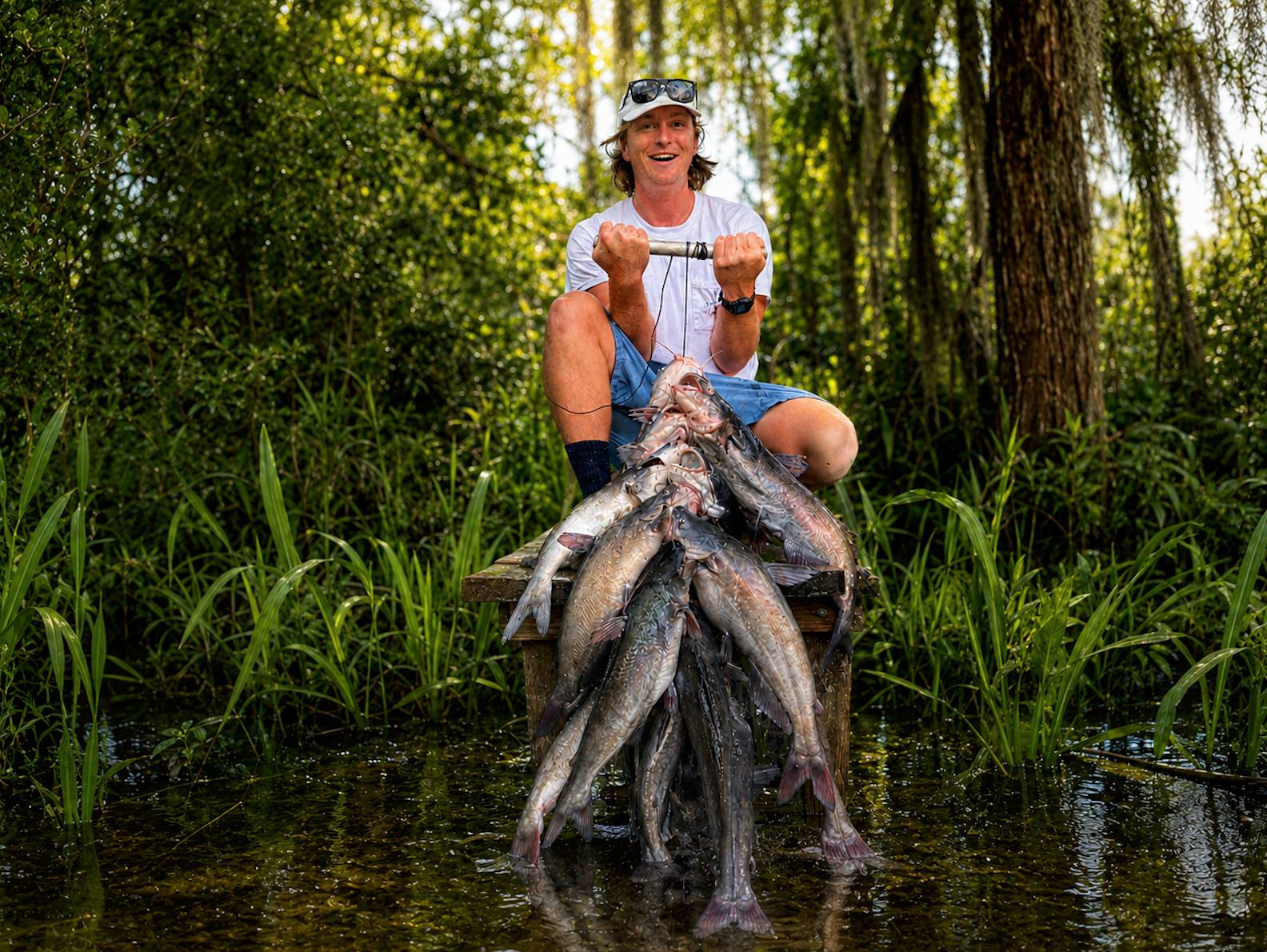
In the world of catfish, June not only means dealing with hot temperatures, it also brings the challenge of the spawn. The big fish move up into the shallows and often times refuse to bite until they’re done with spawning. Most catfish anglers skip June altogether and wait for next month when things get back to normal. Not Mike Jones of Madisonville, Louisiana.
Jones grew up fishing the rivers of Southeast Louisiana and has spent decades learning the patterns that most anglers overlook.
"During the spawn, those big fish move up into the shallows," Jones said. "This leaves the perfect eating-size fish all for me."
What the Spawn Actually Looks Like
Blue catfish in the Southeast typically move into spawn mode somewhere between May and mid-June, though not every fish goes at once. As you go farther north the spawn extends into late June. This month it’s the big, mature fish that participate in the spawn. The males stake out a cavity along a soft muddy bank, the female drops her eggs, and then the male takes over guard duty. Jones said understanding that is what changed the way he fishes this time of year. "When they are in the spawn they are not focused on eating," he said. "They are driven to spawn and fight in the shallow water along the soft banks."
What that means for anglers is that the smaller fish, the ones that haven't reached spawning size or can't compete for territory with the bigger males, are still out in the main river and feeding like normal. "Most fish I catch in June weigh less than 10 pounds," he said. "But that's the fish I'm after anyway."
Where to Fish
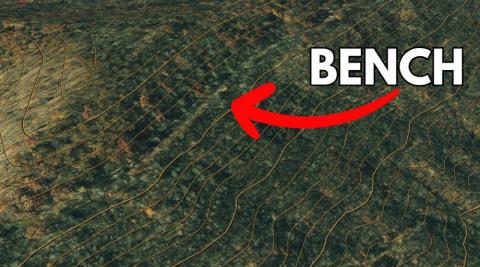
When Jones heads out during the spawn, he zeroes in on the deepest bends in the river. The outside of a river bend is where current does its digging, carving out the deepest water in the area, and that deep water is where the shad pile up.
For anglers running electronics, Jones said this time of year puts on quite a show on the screen. "If you look on Livescope you can see them," he said. "The shad are swimming at the mid-point of the water column and the catfish are sitting just below them in the lower third of the river. If you watch closely, you can actually spot the catfish charging up through the shad balls.” That image on the screen tells you exactly where to put your bait. Jones said the mistake most anglers make is dropping straight to the bottom out of habit. You want your bait positioned just below where the shad are suspended, right in that zone where the blues are holding and making their move.
The Right Setup for June
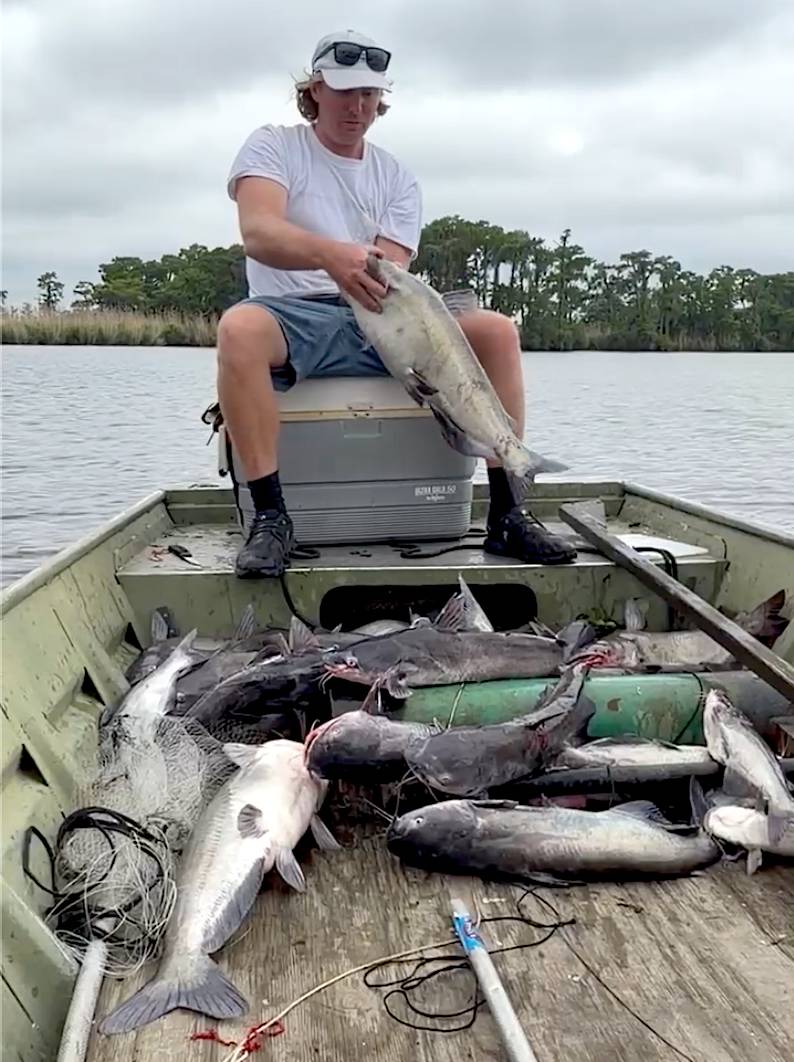
Jones's top choice for June is rod and reel, which is a departure from how a lot of guys fish the river. But he has a clear reason for it. "During June, there will be lots of small baitfish," he said. "Your best bet is to get some live shiners and drop them to the bottom on a split shot and slowly reel up.” The idea is to keep the bait working up through the water column rather than pinned to the bottom, which is something a jug line or trotline just can't replicate.
One method Jones strongly advises against in June is trotlines. The summer heat creates an oxygen problem in the deeper water overnight and you end up with dead bait and dead fish before you ever get a chance to check your lines. "It's best to put the trotlines away until it cools off again," he said.
For the Freezer
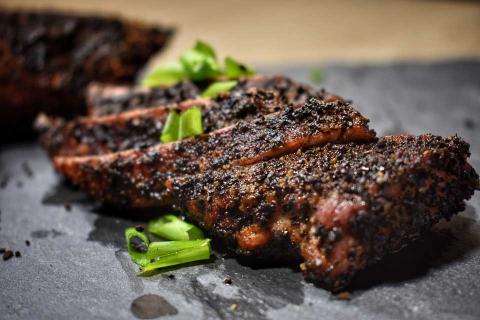
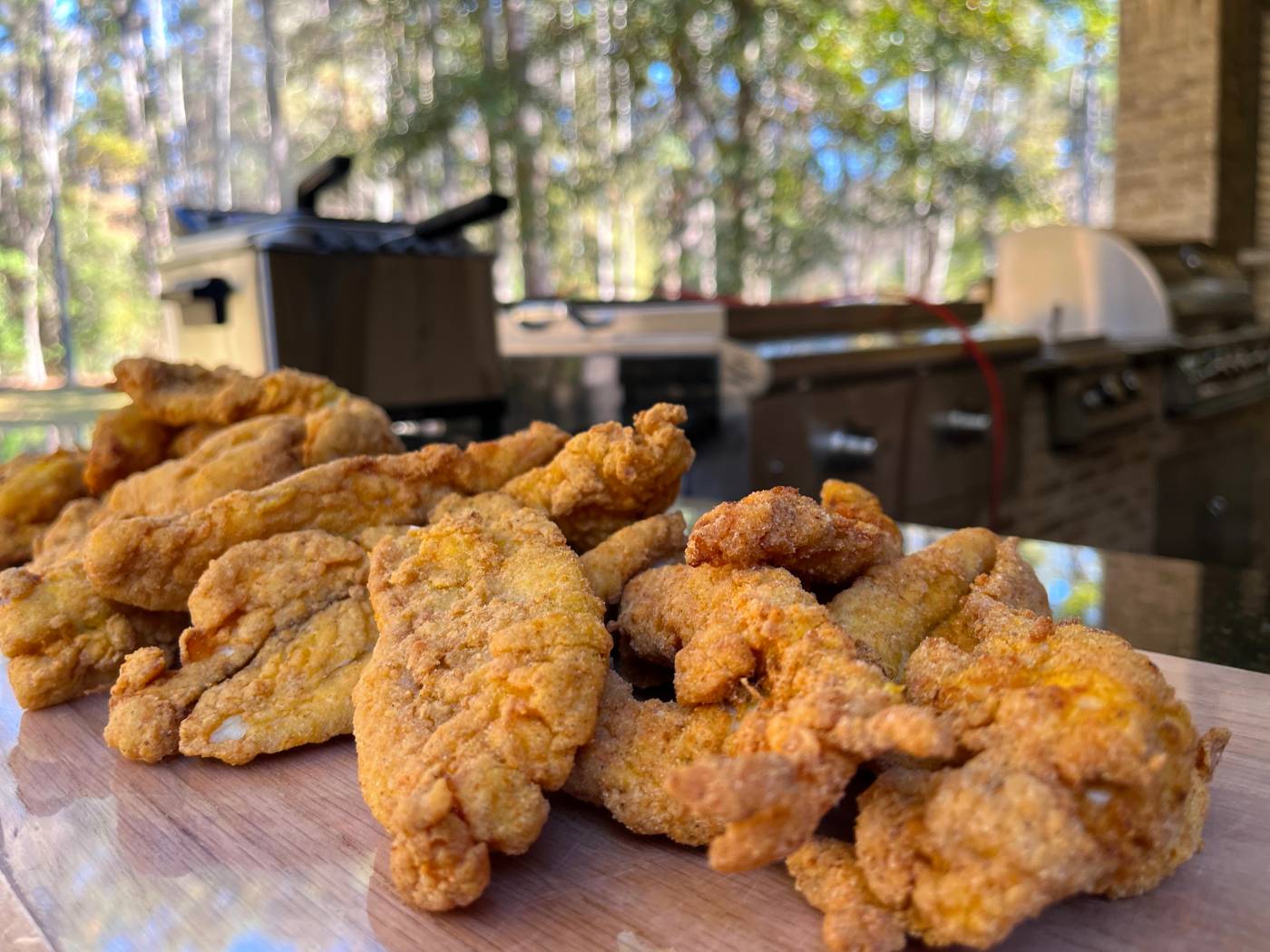
For Jones a good day on the river in June isn't measured by the size of the fish. It's measured by how many quart-sized freezer bags he can fill. He targets school cats in the 7-pound-and-under range and said the eating-sized fish that come off the river this month are some of the best you'll find all year. He fillets them, trims out the red meat, and bags them in quarts, with each bag being just enough to feed three or four people. He also pointed out that quart bags thaw out a whole lot faster than gallon bags when a weeknight fish fry comes calling.
Jones releases everything over 10 pounds, and not just because of the table quality.
"I release all the big fish so they can lay eggs," he said. "They aren't good to eat anyway."
June gets a bad rap when it comes to catfishing, but a lot of that comes down to expectations. Jones has figured out that if you stop chasing the fish that aren't eating and go find the ones that are, you'll be filling the freezer before most anglers even realize the spawn is over.
"Every year I'm able to catch enough for the whole year and have it nicely packaged and ready to go," he said. "All my fish are already cleaned. It's very convenient."