




By Ryan Fair
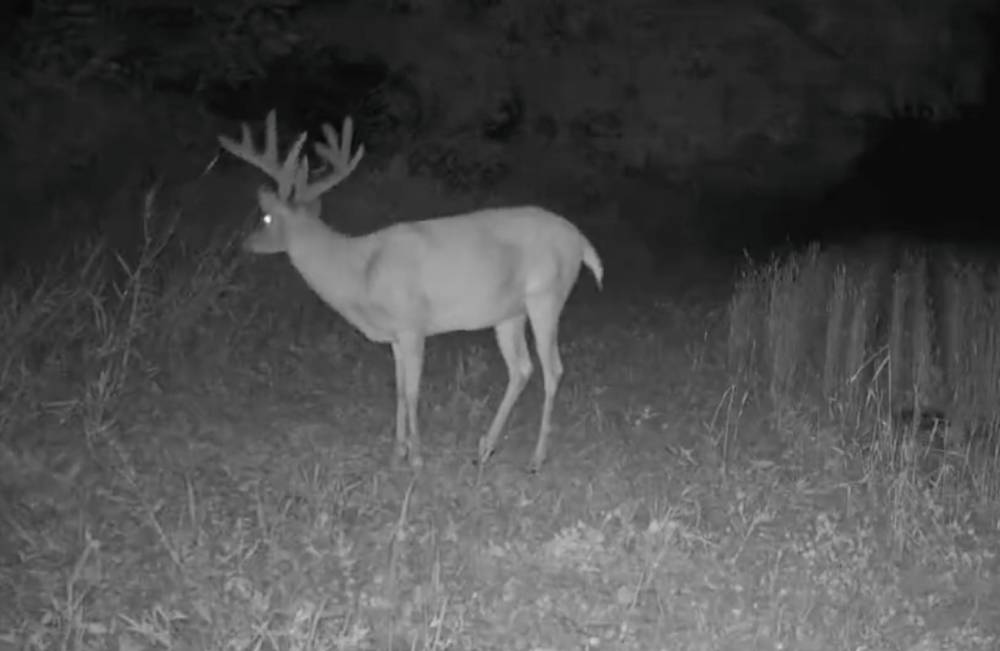
Every summer, it seems to happen the same way. You get a notification from your trail camera app or swap out a card and there he is. A mature buck carrying the kind of rack that makes your heart skip a beat. The problem is always the time of year or as it gets closer to season the time of day. Ten o’clock at night, midnight, or in the middle of summer, always when you can’t hunt.
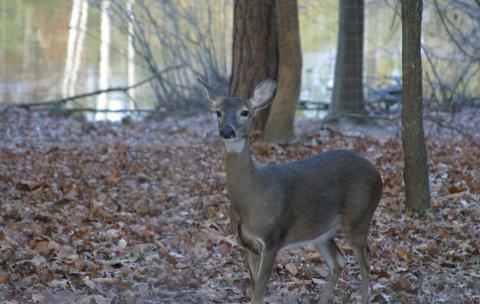
A lot of hunters see those pictures and decide mature bucks simply become nocturnal during the summer. They do move a lot after dark, but I’ve never completely bought into the idea that they just disappear during daylight. They still get up. They still feed and they still move. Your job is to understand what makes them move, where they feel safe, and to learn it without blowing them out before opening day. Summer is one of the most overlooked scouting windows of the year. While a lot of hunters are fishing, mowing, or trying to stay cool, mature bucks are falling into patterns that can carry into the early part of deer season.
Heat Changes Everything
Deer despises the heat as much as we do. When temperatures climb into the upper 80s and 90s, mature bucks aren’t interested in wasting energy. They spend much of the day bedded in places with shade, security, and a little airflow if they can find it. Around my area, that might be a cedar thicket, a creek bottom, a brushy ditch, or a timbered hillside that stays cooler through the afternoon.
The biggest bucks I’ve watched during summer rarely travel very far before dark. More often than not, they are bedded closer to the food than most hunters realize. That is why you’ll see a buck step into a bean field with only a few minutes of daylight left. He may not have been a mile away. He was probably tucked in somewhere close, waiting until it felt right. Food matters during summer, especially while bucks are growing antlers, but security still controls a lot of their movement. A mature buck may want to feed in a certain field, but he’s only going to get there when he feels comfortable.
Pressure Starts Before Season
One mistake I see every year is hunters treating summer like a free pass to be all over their hunting ground. Although season may still be months away, mature bucks are paying attention. Every side-by-side ride through a field, every walk through a bedding area, and every unnecessary camera check leaves something behind. I’ve been guilty of it myself.
Years ago, I got pictures of a buck I was excited about and immediately wanted to know everything about him. I moved cameras, checked spots too often, and spent more time in that area than I should have. Looking back, I probably taught that deer more than he taught me. Before long, he shifted his pattern and became a lot harder to keep track of.
The older a buck gets, the better he is at avoiding problems before they happen. That is why summer scouting should be more about learning from the edges than walking through the middle of everything.
Observation Sits Are Underrated
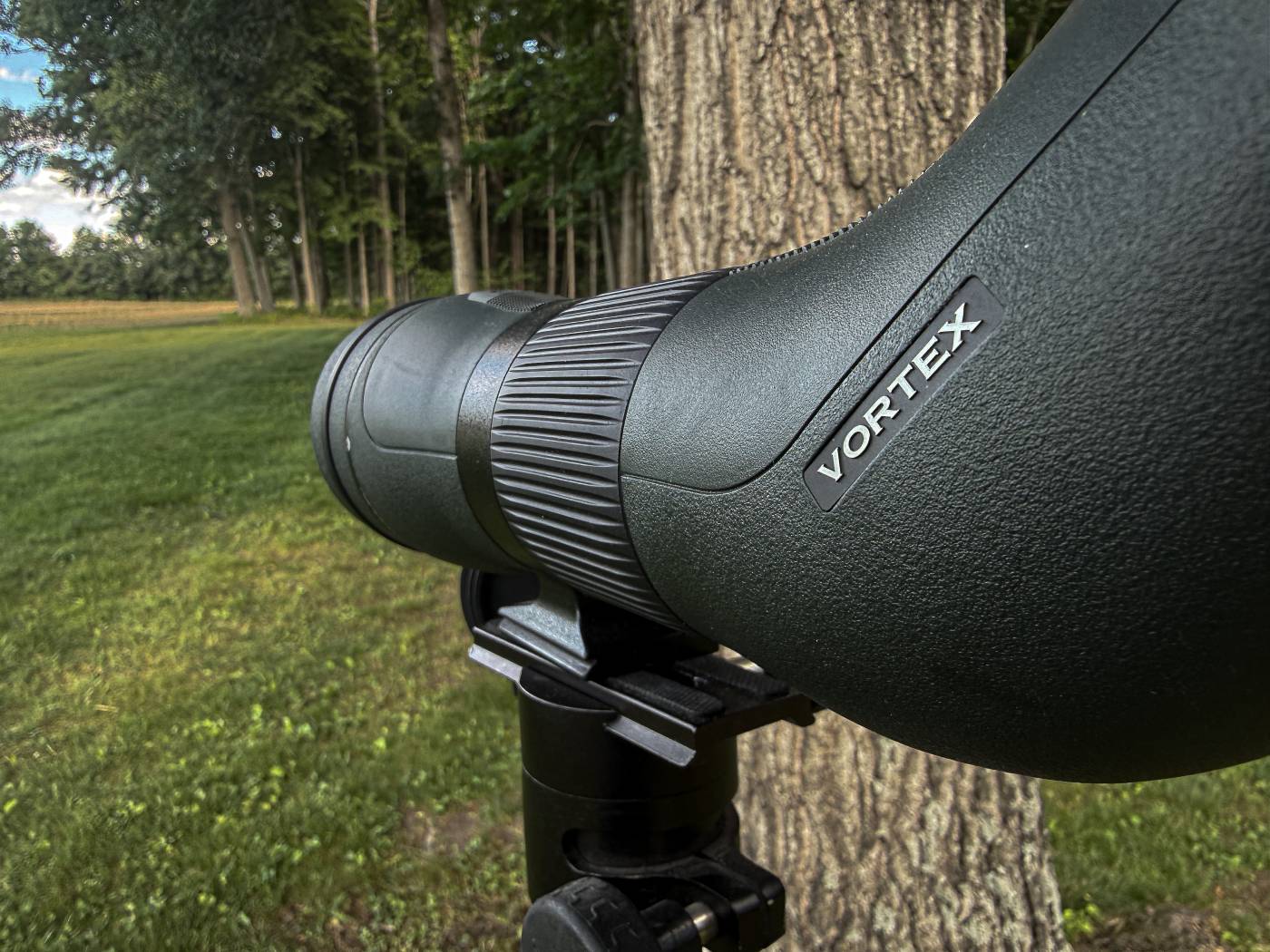
Some of the best summer scouting I’ve ever done happened without stepping foot in the woods. Instead of pushing into a property, I like to spend evenings watching from a distance with my Vortex binoculars or spotting scope. It doesn’t have to be complicated. A field edge, a high spot, or even sitting in the truck where you can see a destination food source can tell you a lot.
You start noticing things cameras don’t always show. Maybe a buck enters the field from the same corner every night. Maybe he uses one side of the food source when the wind is coming a certain direction or maybe he is showing up earlier than your camera made you think. Those little details matter.
The best part about observation sits is they let you learn without adding pressure. I’ve had evenings glassing bean fields where I learned more in two hours than I would have from weeks of walking around and guessing.
Let Cameras Work for You
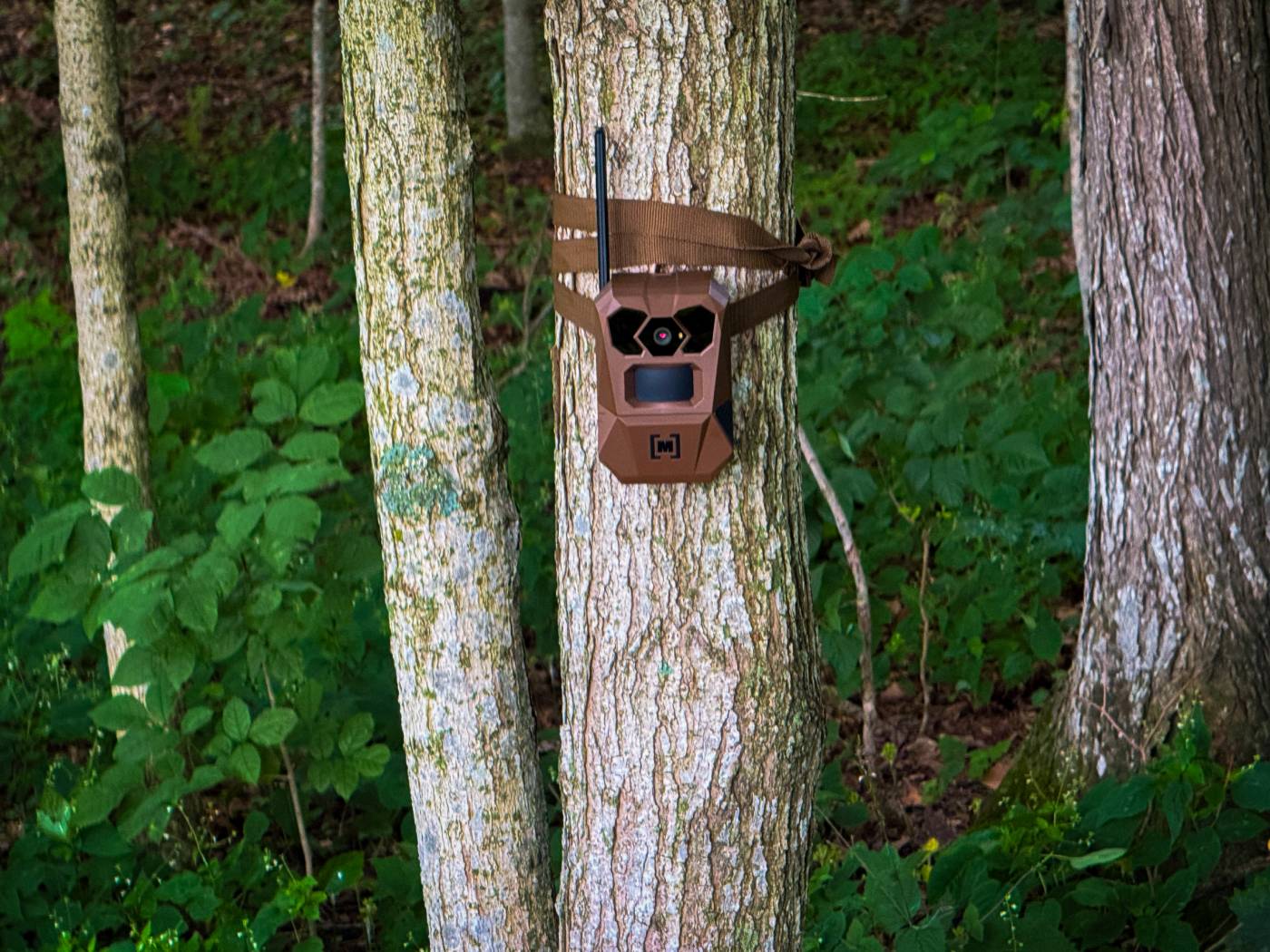
Trail cameras are still one of the best scouting tools we have, but they need to be used with a purpose. It’s fun getting pictures of a big buck standing in front of a camera. What matters more is figuring out how he got there. Instead of only placing cameras on food sources, I like to look at the travel routes leading to them. Field entrances, creek crossings, fence gaps, logging roads, and staging areas can all tell a better story than a camera pointed at the middle of a bean field. These spots help you understand movement instead of just confirming a deer exists.
Cell cameras are a big advantage during summer because they keep you out of the woods. Every trip you don’t make is one less chance to bump a deer, leave scent, or let a mature buck know something has changed. The goal isn’t to pile up hundreds of pictures. The goal is to learn something from the right pictures.
Don’t Burn Out Your Best Spot
One of the hardest things for hunters to do is leave a good thing alone. When a mature buck starts showing up, the temptation is to push harder. We want more cameras, more proof, and more answers. We want to know exactly where he is bedding and exactly where he is traveling.
This is usually when mistakes happen.
Summer scouting should give you enough information to build a plan, not answer every question you may have. Sometimes the smartest move is staying out of the area and letting that buck keep doing what he does. The hunters who consistently kill mature deer are often the ones who know when they’ve learned enough to put together a plan, and they understand that every trip into a property has a cost.
Final Thoughts
Mature bucks don’t vanish during summer. They adapt to the heat, stay close to food, and minimize pressure around them. They still move, but every move has a purpose. For hunters, the best summer scouting is usually passive. Watch from a distance, use good optics, place cameras where they tell you something useful, and most importantly, stay out of the places where a buck feels secure during daylight.
Every buck is different, but one thing stays true. The less pressure a mature deer feels in summer, the better chance he has of keeping the pattern that can make him killable once season arrives. Sometimes the best scouting move you’ll make all summer is staying on the edge, watching, and letting the woods tell the story.