


By Ryan Fair
There’s not much more frustrating than walking into a food plot in the middle of summer and realizing it didn’t turn out the way you hoped. Maybe you planted it in spring with big expectations. Maybe you watched the forecast, worked the ground, spread the seed, and pictured a good-looking plot by July. Then summer showed up, and now you’re looking at thin growth, bare dirt, weeds, and plants that never really took off.
I’ve been there. Most hunters who plant food plots have been there at some point, or they will. Weather gets dry. Weeds take over. Soil gets overlooked and sometimes the timing is simply wrong. The important thing is not to give up on that plot too soon. A failed spring plot can still become a productive fall plot, but summer is when the recovery work has to happen.
Figure Out What Went Wrong
Before you disk everything under and start over, take a minute to figure out why the plot failed. A lot of hunters are quick to blame the seed, but that’s not always the problem. Poor growth usually comes down to soil, moisture, weeds, timing, or poor seed-to-soil contact. Sometimes it’s a combination of all of them. Walk the plot and look closely. If the plants came up but stayed short and yellow, the soil may be low on fertility, or the pH may be off. If the plot is patchy, moisture or seed placement could have been the issue. If weeds are the only thing growing well, they likely robbed the plot of all its nutrients before it had a chance.
The ground will usually tell you what happened if you slow down and study it. This is also where a soil test matters. It’s not the fun part of food plotting, but it’s one of the most important steps. Hunters will spend good money on seed, stands, cameras, and equipment, then guess at what the soil needs. A simple soil test takes the guessing out of it and guarantees your plot gets exactly what it needs.
Fix the Dirt First
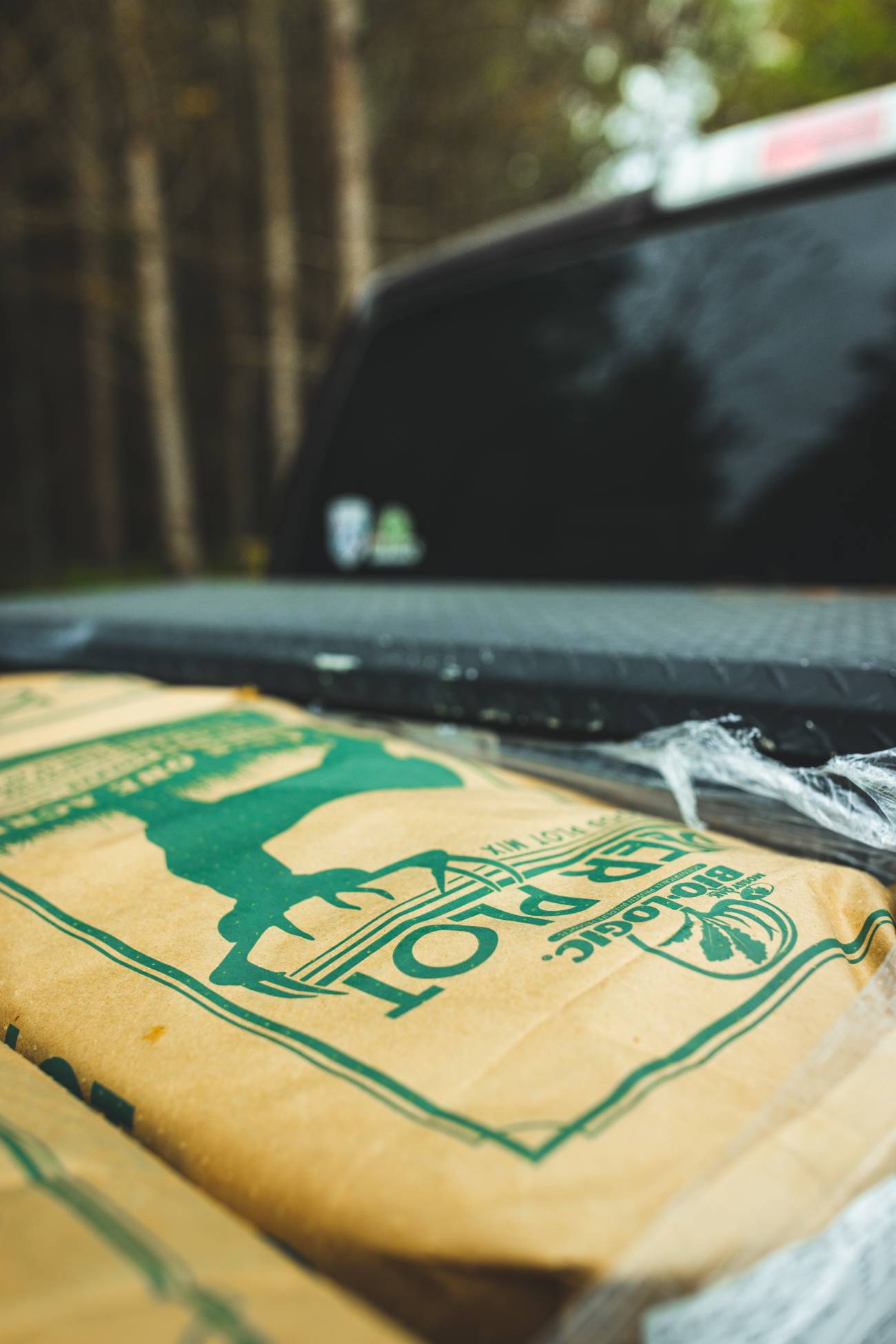
Good plots start below the surface. If the soil isn’t right, the plot is going to struggle no matter what you plant. Low pH can keep plants from using nutrients. Compacted ground can slow root growth. Poor fertility limits everything from early establishment to how well that forage handles browsing pressure later in the season. Summer is a great time to start fixing these problems before fall planting.
If the soil test calls for lime, get it out as soon as possible. Lime takes time to work, so waiting until the day you plant usually doesn’t help as much as hunters hope. Fertilizer should also match what the plot actually needs instead of being thrown out blindly.
Don’t just plant over the problem. Fix what caused the problem.
Get the Weeds Under Control
Weeds are one of the biggest reasons food plots fail. They steal moisture, sunlight, and nutrients from the plants you actually want. Once weeds get ahead of a plot, it can be hard for good forage to catch back up. By summer, you have to make a decision. If the plot still has enough good growth, mowing may help knock back weeds and let the desirable plants recover. If it’s completely taken over, you may need to spray, till, or start over.
The main thing is to keep weeds from going to seed. Letting a bad weed crop mature only creates more problems for the next planting. A little sweat equity in July or August can make a big difference when it’s time to plant for fall. I’ve seen many hunters get frustrated with a poor fall plot when the real issue started months earlier. They let weeds take over all summer, then tried to plant into a mess. By then, they were already behind.
Watch the Weather
Food plotters love planting dates, but the weather doesn’t always care about our plans, just ask any row crop farmer you know. This matters even more when you’re trying to recover a failed plot. If drought hurt you in spring, don’t make the same mistake again in late summer. Planting into dry powder and hoping rain eventually shows up is a gamble. Sometimes it works, but a lot of times it doesn’t.
When possible, plant ahead of a good rain. Make sure the seed has good soil contact and don’t rush just because the calendar says you should be planting. A plot planted a few days later with moisture in the forecast will often do better than one planted too early into bone-dry dirt. Deer season may be the deadline, but rain is what gets a plot started.
Choose the Right Blend for the Conditions
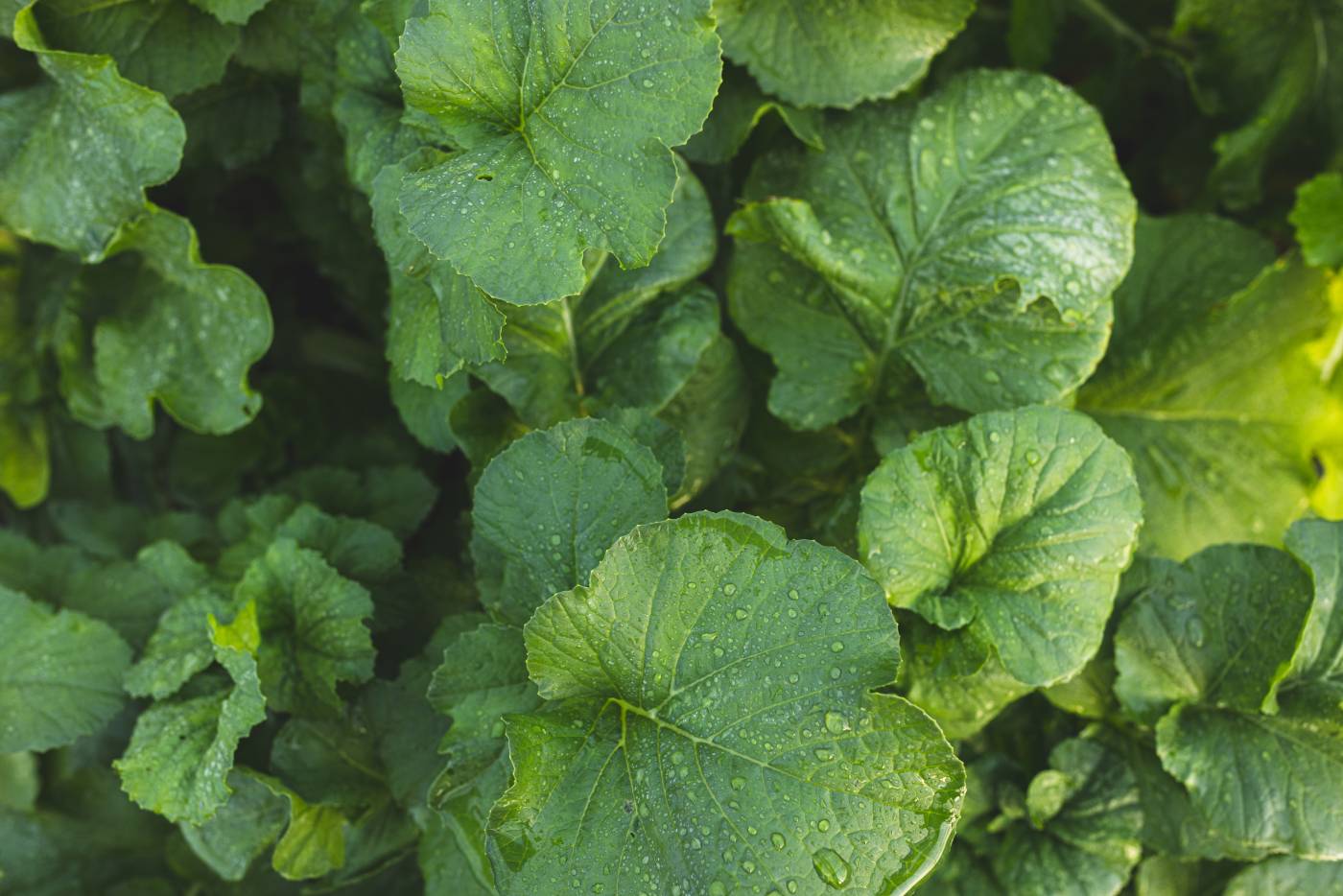
Not every plot is the same. A small hidey-hole plot in the timber has different needs than a large destination field. Sandy ground dries out faster than heavier soil. Some plots get full sun while others are shaded most of the day. That’s why seed selection matters.
Shop Mossy Oak Biologic
The key is matching the product to the plot instead of planting something just because it worked for somebody else. A food plot doesn’t have to be perfect to be effective. It just has to offer deer something they want when they want it.
Don’t Waste the Summer Window
Summer is easy to let slip away. One week you’re looking at a failed plot and telling yourself you’ll fix it soon. The next thing you know, weeds are head-high, the soil still hasn’t been tested, and deer season is getting close. That’s how plots fail twice.
The hunters who usually have good fall plots are the ones doing the unglamorous work during the hot summer months. They’re mowing, spraying, testing soil, spreading lime, checking equipment, watching rain chances, and getting their seed lined up before the last minute. Food plots reward preparation, and they punish shortcuts. This doesn’t mean you need a giant tractor or a perfect field. Even a small plot can turn into a good hunting spot if it’s clean, timed right, and planted with a blend that fits the conditions.
Final Thoughts
A failed spring plot doesn’t have to ruin your fall plan. It may actually teach you what your ground needs. It shows where weeds are a problem, where moisture disappears first, and where the soil needs attention. Use that information instead of ignoring it. Maybe the fix is lime and fertilizer. Maybe it’s weed control, or maybe it’s switching to a Biologic blend that better matches your plot and planting window. Most of the time, it’s a combination of all those things.
Deer don’t care what that field looked like in May. They care what’s growing there when fall arrives. Put in the work during summer, and a failed spring plot can still become one of the best spots on your property when deer season gets here, and that’s when it matters most.