




By Heath Wood
For many hunters, time in the woods doesn't end when deer season closes. We spend the fall chasing whitetails, the winter scouting and reflecting on the past season, and the spring pursuing gobbling turkeys. Then, almost overnight, turkey season comes to an end, and many of us find ourselves staying out of the woods for a while. The excitement of hunting season seems distant, and life gets busy.
But during those quiet months, mature bucks aren't standing still. As summer approaches, mature bucks are entering a significant period of the year. Their antlers are beginning to grow at an incredible rate, fueled by nutrition and longer daylight hours. They're recovering from the stresses of winter, establishing summer patterns, and preparing for the challenges that lie ahead. While hunters may be taking a break from the woods, mature bucks are busy laying the groundwork for the season to come.
Recently, I’ve been watching three of my cellular cameras, which have been continuously running since last fall. After observing turkeys through the spring, I switched my focus to deer. Before long, I found myself wondering if the bucks had started growing antlers yet. Then the videos began rolling in: new fawns only days old, taking their first steps, followed by the first glimpse of a buck sporting fresh antler growth. As more photos and videos arrived, it felt like watching a nature documentary unfold in real time. The narrator follows the life of an animal through each season, revealing its daily habits and challenges along the way. In many ways, hunters do the same thing. Through binoculars, trail cameras, and time spent observing, we watch the story of a whitetail buck develop from season to season, eagerly anticipating what comes next.
Many hunters find themselves wondering what mature bucks are doing this time of year. Understanding buck behavior during the summer months can provide valuable insight into where those deer will be and what they'll be doing when hunting season finally arrives. Successful deer hunters know that the work done during the offseason often pays dividends in the fall, making summer one of the most important times to observe and learn the habits of mature bucks.
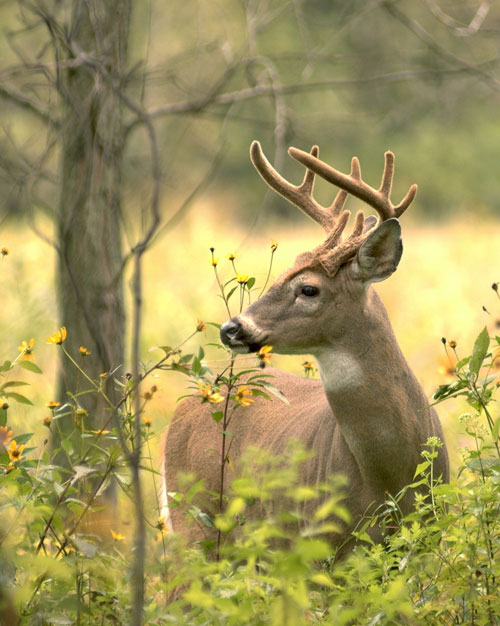
Antler Growth Is Priority Number One
During June and July, a mature buck's body is focused on one major task: growing antlers. Antler development is one of the most fascinating and fastest forms of tissue growth found in Mother Nature. One of the main factors in successful antler growth is the tremendous amount of energy, protein, and minerals it requires. This is why mature bucks spend much of the summer concentrated around high quality food sources. Soybean fields, clover plots, alfalfa fields, and native browse rich in nutrition become their primary destinations. Bucks are trying to maximize nutrient intake while minimizing energy expenditure. This is also why hunters encounter bucks using mineral sites and supplemental feeding sites at a higher rate throughout the summer.
Because antlers are covered in velvet and still growing, bucks are generally less aggressive than they are during the fall. Their focus is on feeding, resting, and recovering rather than establishing dominance. Spending late evenings in the field with a good pair of optics can reveal a lot about buck behavior. From a quiet vantage point, you can often watch bucks moving calmly and naturally feeding on their preferred food sources as the day winds down.
Bachelor Groups Become Common
One of the most noticeable summer behaviors is the formation of bachelor groups. It's not unusual to see several mature bucks feeding together in the same field during the evenings or have them grouped in game camera pictures. While it may seem strange considering how competitive bucks become later in the year, these groups offer several advantages.
Multiple sets of eyes help detect predators and potential threats. Feeding together also allows bucks to take advantage of abundant food sources while conserving energy. However, hunters should remember that bachelor groups are temporary. As testosterone levels begin rising in late summer and early fall, these social bonds weaken. By the time hard antlers are fully formed and velvet is shed, many of these bucks will begin establishing individual patterns and home ranges.
Yes, as hunters, we get excited when we get multiple bucks on camera during the summer. Yet, the reality is that the giant buck feeding beside two other mature deer in July may be completely alone by September, or he could disappear to neighboring land, which is just what they do, during this time of year.
Summer Feeding Patterns Are Predictable
If there is one time of year when mature bucks are most predictable, it is often during the summer. Food drives nearly every move they make. Bucks commonly bed in secure cover during the day and travel short distances to evening feeding areas. In agricultural regions, this often means soybean fields. In timbered areas, food plots, natural browse, mass producing trees, and other high quality food sources become a buck’s favorite destination.
This predictable feeding pattern is why summer trail camera surveys can be so effective. Bucks frequently use the same entry routes, field corners, and feeding locations night after night. But hunters should be careful not to assume that a summer feeding pattern will remain unchanged once hunting pressure, changing food sources, and shifting weather conditions arrive in the fall.
Bedding Areas Offer Security and Comfort
A mature buck rarely becomes a “big buck” by accident. During the summer, they continue relying on thick bedding areas that provide safety, shade, and favorable wind conditions. Areas such as dense creek bottoms, overgrown field edges, secluded timber, and areas with thick vegetation often become preferred bedding locations. In many regions, bucks also seek locations that offer relief from heat and insects.
While locating these bedding areas can be valuable, summer is not the time to aggressively invade them. Every trip into a bedding area leaves scent, creates disturbance, and increases the likelihood of educating a mature deer. The information gained from a single visit is rarely worth the potential damage done to a property before hunting season. To put it into simple terms, stay out of these areas!
Gathering Intelligence Without Applying Pressure
One of the biggest mistakes hunters make during the summer is turning scouting into hunting. The goal right now should be gathering information, not direct interaction with deer.
Trail cameras often provide the best insight when used carefully. Placing cameras along field edges, food sources, or travel corridors minimizes intrusion while still collecting useful data. Cellular cameras can be especially valuable because they reduce the need for repeated visits and human presence in general.
Using binoculars or what many hunters call, glassing, is another highly effective summer scouting tactic. Spending evenings observing agricultural fields, food plots, or large openings from a distance allows hunters to inventory bucks without entering their core areas. The less a mature buck knows you're watching him, the better your chances of encountering him later. So, stay back at a safe distance.
Identifying Food Sources That Matter
As with every buck in a summer bachelor group, not every summer food source will remain relevant once the hunting season arrives. One certain food source, such as soybeans, may be highly attractive during July but become less important after crops mature. Clover plots that receive heavy summer use may continue attracting deer well into early season. However, when acorns begin to drop during the early fall, they can completely shift a buck’s movement pattern.
The most valuable scouting information often comes from identifying transition points between summer and fall food sources. Consider where a buck will be feeding in September, which food sources will still be available when archery season arrives, and how shifting crops may influence movement patterns. The answers often reveal more about early season opportunities than summer sightings alone.
The Bigger Picture
June and July provide one of the best opportunities of the year to learn about mature bucks. Antlers are growing, feeding patterns are predictable, and deer are generally less pressured than they will be once hunting season arrives. The key is gathering information while remaining invisible.
Every trail camera check, scouting trip, and observation session should focus on whether the information being gained is worth the pressure being created. The hunters who consistently find success in the fall are often the ones who strike that balance best. Hunters often use the summer months to track a buck’s daily movements, much like a favorite nature program, gradually piecing together a roadmap of mature buck behavior. The goal is to let those deer continue living undisturbed until that pattern eventually leads them into bow range during the first hunts of the season. Right now, mature bucks are already revealing valuable clues about themselves; the challenge lies in knowing which signals matter and which will likely change before opening day arrives.