



By Steve Wayne
Locating hunters was my job. As a Wildlife Officer from the state of Florida, I spent 30 years finding hunters dressed in camouflage and I checked them to see if they were abiding by the fish and wildlife rules and regulations. I took special precautions to avoid interfering with the quality of their hunt by safely checking hunters before or after a hunt. I only interrupted a hunt in progress to check a hunter when I suspected a wildlife violation.
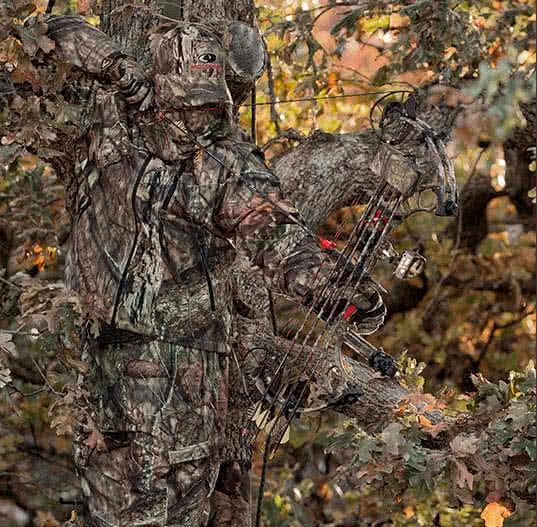
Finding hunters was often easy, even when they were covered from head to toe in full camouflage. Since it was so easy for me to spot a concealed hunter, wildlife could easily tell the difference and certainly spot their adversary too. A small number of hunters blended in well with their surroundings and they often took the steps to hide themselves from wildlife with good camouflage along with good practices. For other hunters, simple mistakes in concealment made their appearance easy to not only me but to a variety of species of game that was sought after by hunters. Don’t stick out like a sore thumb in the woods. Try avoiding these simple mistakes in concealment.
The Right Pattern
One of the more common mistakes when wearing camouflage is wearing the wrong pattern of camo that contrasts greatly from your surroundings. Some camouflage patterns will stick out in the environments that you like to hunt. Buying a piece of clothing strictly because it is made in a random camouflage pattern may easily reveal your location when you hit the woods during hunting season. Don’t look out of place.
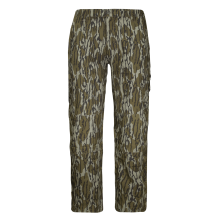
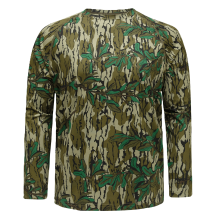
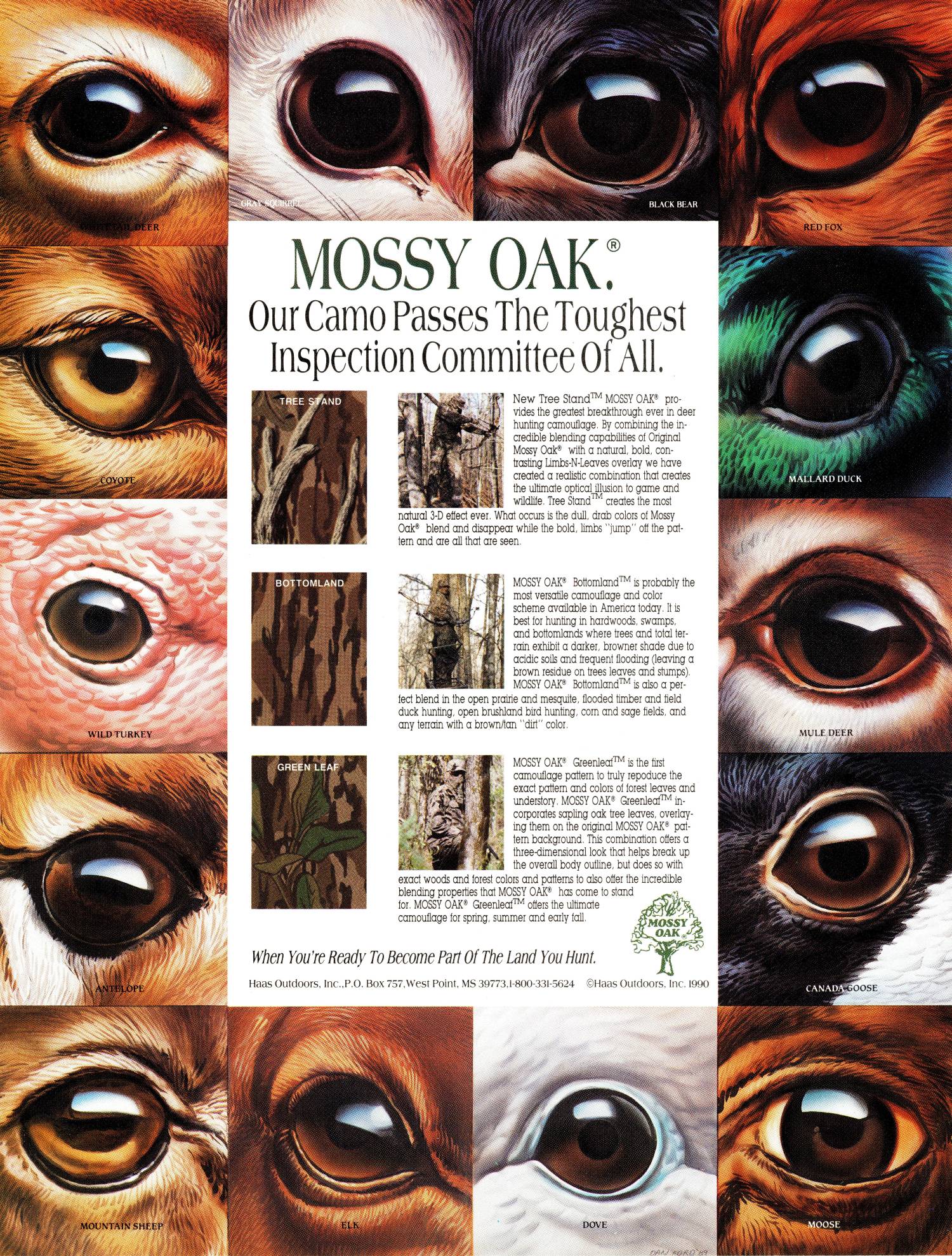
During the spring, camo patterns with green in them usually blend in well such as Mossy Oak Obsession as brown camo patterns usually stick out in greener environments. For hunting from a tree stand, Mossy Oak Country DNA or Breakup usually blends in well with tree branches, sticks, and leaves. For hunting in bottomland areas or timber hunting mallards or wood ducks, Mossy Oak Bottomland has a muddier look and blends in well around timber. For waterfowl hunting, Mossy Oak Shadow Grass and Shadow Grass Habitat blends well in brown grasses and cattails. If you are waterfowl hunting down south early in the season, vegetation may still be green, and Mossy Oak Obsession may blend in better with your surroundings. An excellent camo pattern for a wide variety of environments is Mossy Oak Country Roots or Mossy Oak Elements Tera because both patterns have both brown and green in them. Wear camouflage that matches the environment that may be unique to your hunting area.
Avoid the Fade
Holding on to your favorite camo clothing a little too long may get you busted by wildlife. Some older camouflage apparel appears as a faded white color to even bright blue because of using some common laundry detergents containing UV brighteners in them. Often deer will not notice faded or bleached out clothing since they rely more on scent or detecting movement, but other types of wildlife may easily spot the contrasting look of a blue or white blob in the woods. Try washing your hunting clothes with a UV free laundry detergent. Save your faded bright colored camo for wearing around town or at home instead of in the woods.
No Flash
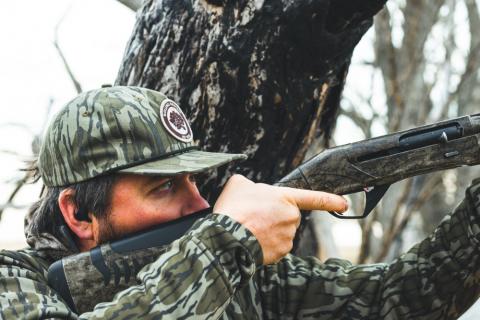
If you ever watch waterfowl fly back and forth around a marsh during hunting season, you will often see birds flare and get spooked when approaching many duck hunters. This is often caused by the “flash” of an exposed face or hands from hunters. Looking back and forth by moving your head, exposes bare skin and creates a flash of skin that can expose your presence to wildlife. Mask up and wear camouflage gloves to prevent the flash of skin that often spooks wildlife. Use Mossy Oak camo tape to conceal shiny gun stocks or blue gun barrels as these too can alarm approaching ducks.
Leave the Logos
A brightly colored business or team logo on hats or apparel can easily negate the effects of proper concealment with good camo. Having a big gobbler or deer hang up just out of shooting range is very common and may be due to your movement while wearing a shiny new logo on your camouflage hat. Leave your brightly colored sports logo at home as movement from your head can be easily picked up and noticed by wildlife. Some hunters may cover much of themselves in camo but opt out of the effects of a good camouflage hat or head net. Camo up with good camouflage from head to toe and avoid the flash from bright colored logos while moving in the blind or tree stand. Instead, choose clothing with a subdued logo or swing by your nearest Academy Sports to pick up your favorite Mossy Oak clothing.
No Lines
When walking in the woods, it is easy to spot objects that are foreign. Deer and other species often draw their attention to objects that look out of place in and around their home turf. The hard lines created from tree stands, blinds, ladders, steps, guns, arrows, and boats stick out and go against the subtle lines and shapes of the woods or marsh. Very rarely in nature will you find a horizontal straight line naturally that is parallel to the ground. Trees, branches, limbs, and leaves go off in a variety directions and angles and are almost never formed in a straight horizontal line. Tree stands and ground blinds can easily stick out. Try breaking up the silhouette of your tree stand or gear by using tree branches, natural grasses or Mossy Oak camo tape. As a test to see if your concealment is good enough, walk a distance from your stand or blind and see if you can pick it up while walking towards it. If you can see your blind or stand easily, wildlife will surely notice too.
Sunglasses
Many duck and dove hunters like to wear a nice pair of fishing sunglasses while looking in the sky for approaching birds. Leave your mirrored sunglasses at home during the hunt. Wearing a shiny pair of sunglasses is just like using a signal mirror and can easily scare off game. Keep your head down and avoid quick head movements that attract attention and spook wildlife. If you must wear sunglasses, try wearing muted colored or camo-colored frames without shiny mirrored lenses. Bajio sunglasses is known for making excellent fishing sunglasses and makes several pairs for hunters too with Mossy Oak colored frames. Try the Bajio Cocho or Palometa Mossy Oak Bottomland styles. Choosing gray or copper lenses will cut through the bright light while not alarming wildlife.
Movement

Wildlife is always cautious and on the constant lookout for movement. No matter how good your camo is, a simple scratch of an itch or a head turn may attract the attention of wary game animals. Animals very rarely move quickly in nature unless they are alarmed. Quick movements during the stalk, in the stand or in the blind can warn wildlife of your presence. Use ultra slow movements relying on your sense of sight, smell, and sound before moving. Take steps to slowly scan the area with your eyes before making a move.
Noise
Sound carries a long distance in the woods or the marsh. These areas have remained quiet for much of the year only to get woken up during the arrival of hunting season. The slamming of car doors, noisy ATV’s, car truck or boat engines, the ringing or beeping of cell phones, and talking amongst hunters can alert wildlife that hunting season has arrived. Try sound proofing your gear by securing noise making objects, oiling squeaky tree stands and silencing your cell phone. Avoid slamming your car door and try walking to your spot silently from a longer distance. Being aware of the sounds that you make in the woods or on the marsh is half the battle. Once you realize how noisy you are, you can make a huge difference by taking steps to quiet down.
It happens to almost every hunter. An approaching deer blows noticing something different with you and is spooked off. A gobbler hangs up just out of shooting range and detects something wrong. A flock of ducks flares as they notice that something just isn’t right in your concealment. Don’t get busted in the woods by wildlife. Avoiding simple mistakes in camouflage that can increase your chances of success in the woods or marsh.