


Brodie Swisher
Why do bowhunters miss shots? If they’re honest, they’ll tell you it’s because they panicked and rushed the shot opportunity.
Those “now or never” moments can go south in a hurry. Desperation shots seldom find their mark.
Every bowhunter dreams of that perfect shot. A deer steps into range, turns broadside, offers a clear view of its vitals, and gives you all the time in the world to settle your pin and squeeze the release. After you execute the perfect shot, you watch the deer run a short distance and fall within sight.
Unfortunately, real-world bowhunting doesn't always work that way.
Deer rarely follow the script. They walk directly toward your tree, feed away from you, stop underneath your stand, or slip through the woods at an angle that makes you question everything you know about shot placement. Add a little buck fever to the equation, and even experienced bowhunters can find themselves tempted to take a shot he or she should have passed up.
The truth is, one of the most important skills a bowhunter can develop isn't the ability to make a difficult shot. It's knowing when not to shoot.
Preparation starts long before deer season. Practicing realistic shot angles, understanding deer anatomy, and learning to recognize high-percentage opportunities will help you make better decisions when it counts.
Here are six shot scenarios every bowhunter should know how to handle, along with tips for preparing and practicing for each one.
The Frontal Shot
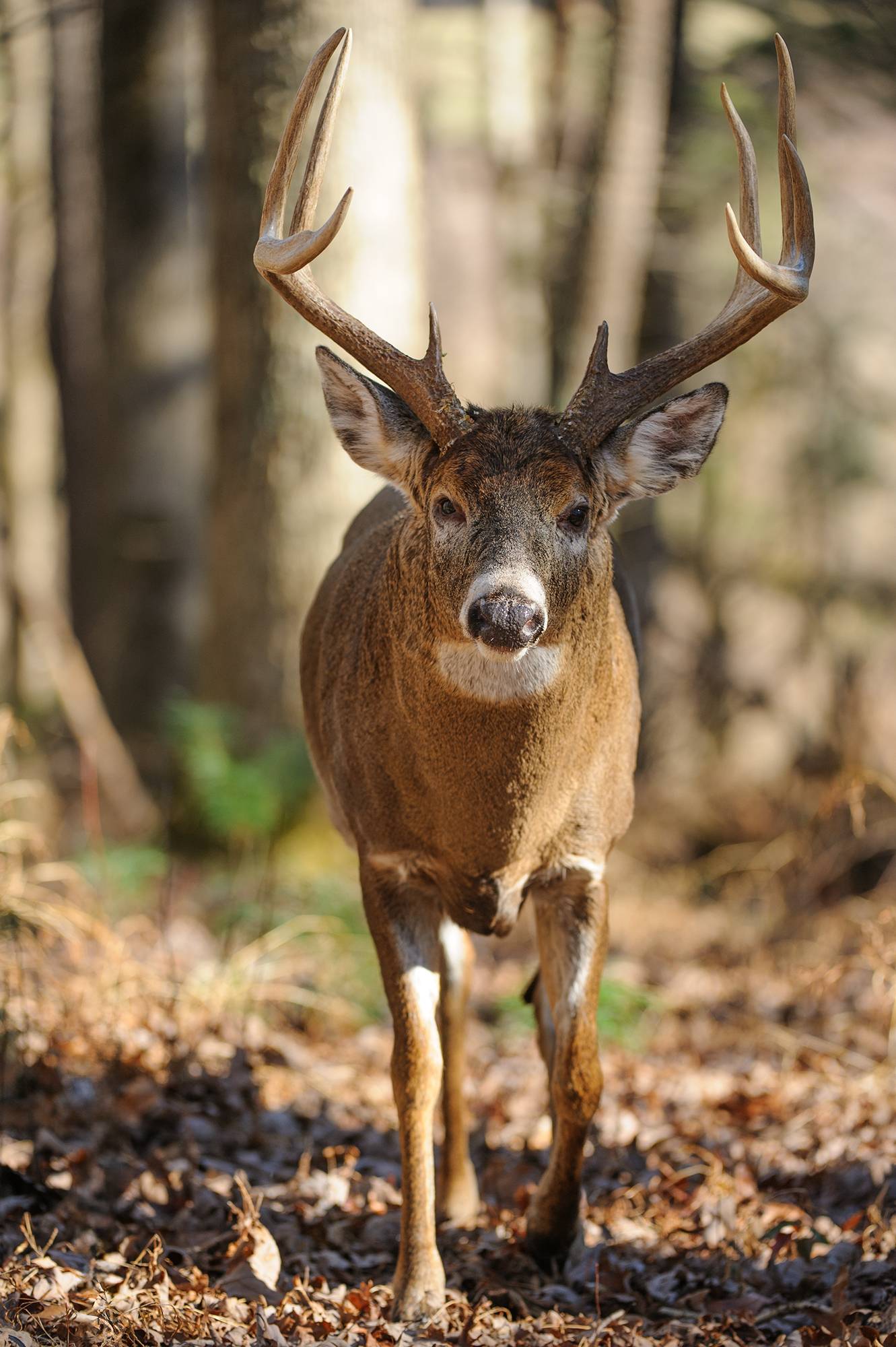
The frontal shot can be deadly when executed perfectly, but it leaves very little room for error. When a deer faces you directly, the vital organs are partially protected by the shoulder structure, and the available target area is much smaller than it appears. A slight miscalculation can result in a wounded deer rather than a quick, ethical harvest.
It's an exciting opportunity because the deer is standing right there, looking in your direction. Face to face. Eye to eye. You might have a clear view of its chest, and your mind starts working through the possibilities.
For most bowhunters, the best decision is to remain still, stay calm, and wait. Give the deer time to take another step, turn its body, or resume feeding. In many cases, it will eventually offer a broadside or quartering-away angle that provides a much larger margin for error.
How to prepare and practice: Set up a 3D deer target, and practice identifying the vital area from different angles before ever drawing your bow at a live animal. Learn how the shoulder, ribs, and chest cavity change with the deer's orientation. Include frontal presentations in your target-identification drills, but make passing on the shot part of the exercise. You don't have to take every shot you can technically make.
The Walking-Away Shot
A deer walking directly away from you can be one of the most frustrating scenarios in bowhunting. The buck is within range, perhaps completely unaware of your presence, but its vitals aren't presented at an appropriate angle.
Some hunters might be tempted to attempt what is commonly called the Texas heart shot, aiming from behind toward the deer's vital organs. Don't do it. This approach presents a serious risk of a gut or other nonfatal wound, prolonged suffering, and a difficult recovery.
Instead, take a breath and wait. Deer rarely walk in a perfectly straight line forever. The animal may turn to feed, angle toward a trail, or look over its shoulder. Any of those movements might present a more appropriate shot opportunity.
If the deer continues walking away and you need to get its attention, a soft grunt or doe bleat may cause it to stop and look back. Sometimes, that reaction will bring the deer into a quartering-away position. However, it might simply stop facing away or become alert and leave. Be prepared to let it go if it never offers a suitable angle.
How to prepare and practice: Practice with a 3D target positioned directly away from you, but focus on recognizing the limited vital target rather than trying to master a low-percentage shot. Work on staying at full draw only when appropriate, letting down quietly when necessary, and remaining patient as the target changes position. In the woods, the ability to control your excitement and wait for the right opportunity is just as important as accuracy.
The Straight-Down Shot
If you've hunted from a treestand for any length of time, you've probably experienced this one. A deer walks directly underneath you, close enough that you can hear it breathing or watch its ears twitch. It's an incredible experience, especially when the deer is a buck you've been watching all season.
It's also a shot that can go wrong in a hurry.
The steep downward angle changes the relationship between your aiming point, the deer's chest cavity, and the path of your arrow. Some hunters convince themselves they can simply aim for the spine, break the deer down, and finish the job with a follow-up shot. That's not a strategy to rely on. It introduces unnecessary risk and can leave the animal seriously wounded.
Instead, let the deer walk past your stand, and create some distance. As it moves away, the shot angle will gradually become less severe, potentially providing a much better opportunity once the deer is at a suitable distance and angle.
Of course, don't assume that a deer passing your stand will automatically offer a good shot. Consider nearby cover, branches, your ability to maneuver safely, and the actual angle before drawing.
How to prepare and practice: Practice from an elevated platform. Shoot at a 3D target from several elevated angles and distances, paying attention to how the steep angle changes your view of the vital area. Don't simply shoot groups and call it good. Practice identifying when the angle is too steep and decide to pass.
The Quartering-To Shot
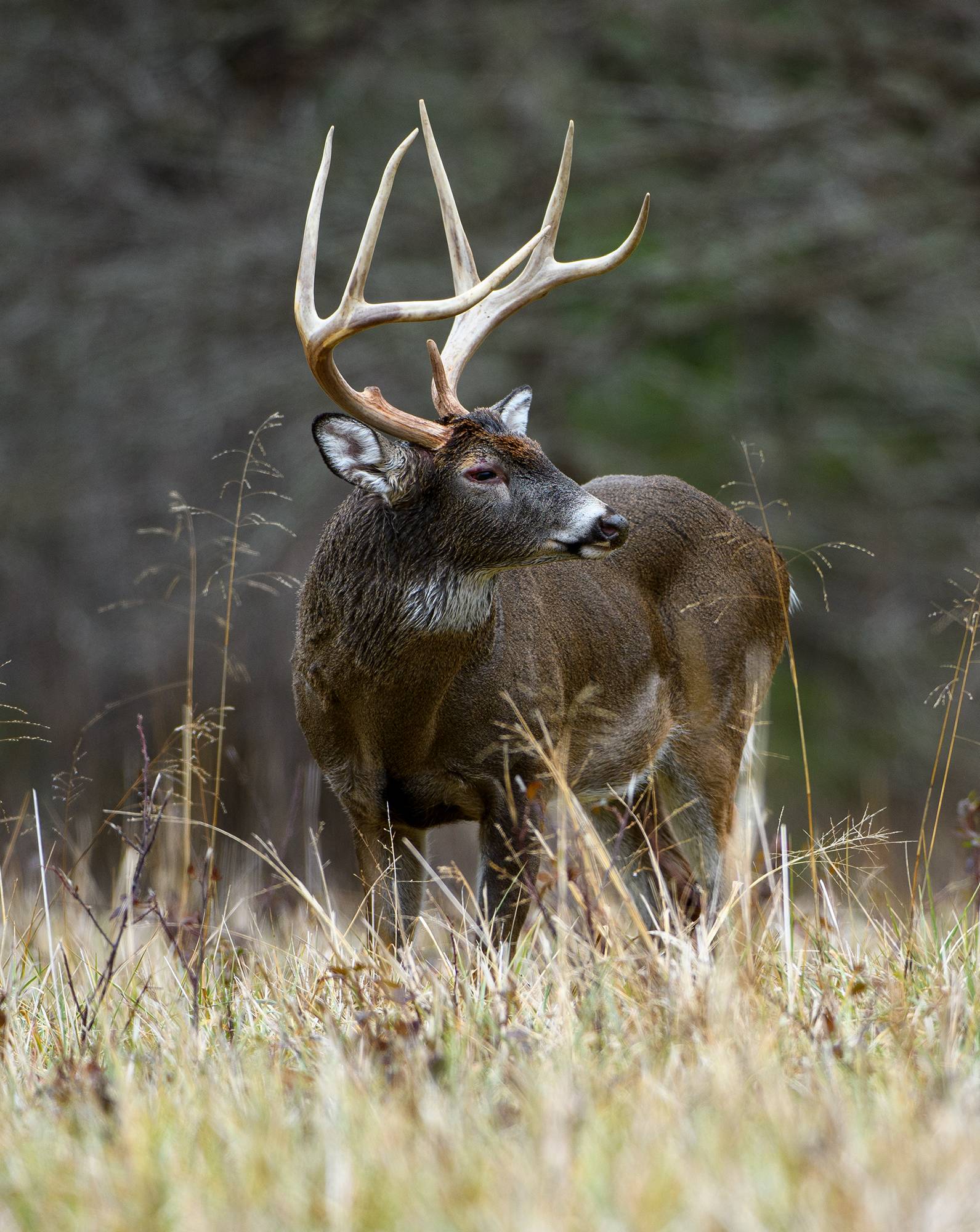
The quartering-to shot is tempting because the deer may appear to be standing broadside enough to offer a reasonable target. But that slight turn toward you can make a major difference in the arrow's path.
As a deer angles toward you, its near-side shoulder can obstruct access to the vital organs. An arrow that strikes too far forward may hit heavy bone, while one that enters behind the shoulder at the wrong angle can pass through the body without adequately damaging the heart and lungs. The result can be a wounded deer and a difficult recovery.
This is one of those situations where patience pays off. A deer that is feeding or slowly moving through the woods will often turn its body as it takes another step. Give it time to offer a better presentation instead of trying to force a shot into a narrow opening.
Pay close attention to the front legs. Their position can help you judge how the deer is oriented, but don't rely on leg placement alone. Consider the angle of the chest, the near-side shoulder, and the anticipated path of the arrow through the animal. Even a seemingly slight quartering-to angle can change the outcome.
How to prepare and practice: Use a 3D target to study quartering-to presentations from several different angles. Before nocking an arrow, identify the shoulder, rib cage, and vital organs. Then trace the potential arrow path mentally. Would the arrow reach the heart and lungs without striking heavy shoulder bone? Would it have a suitable exit path?
The goal isn't to become comfortable taking every quartering-to shot. It's to become skilled enough to recognize when the angle isn't right and patient enough to wait for a better one.
The Quartering-Away Shot
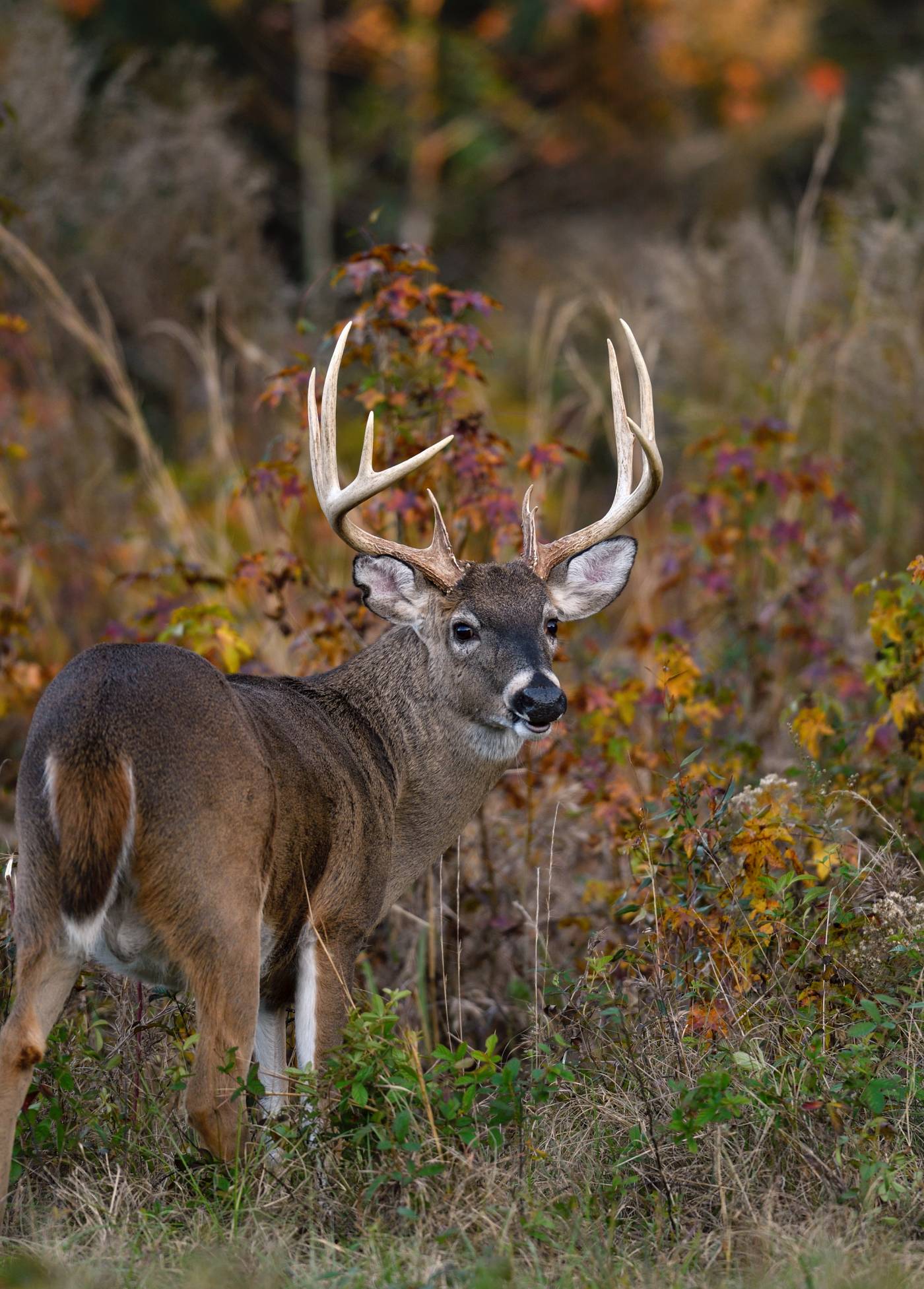
If there's one angled presentation every bowhunter should learn to recognize, it's the quartering-away shot.
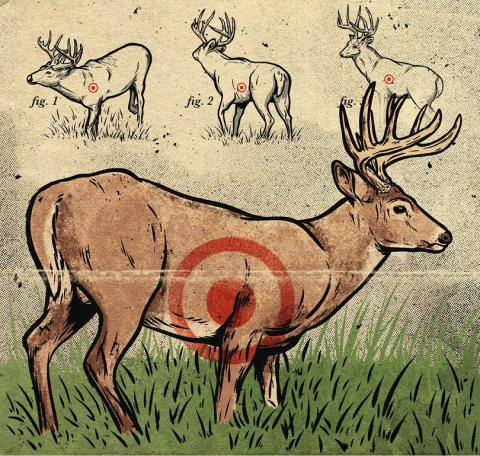
When a deer turns away from you, its body position can provide an excellent opportunity to reach the vital organs while avoiding much of the near-side shoulder. This is often a high-percentage shot when the angle, distance, equipment, and shooter's abilities all line up.
The key is understanding that your arrow needs to travel through the chest cavity, not simply enter where the vitals appear from your perspective.
With a quartering-away deer, the entry point is generally farther back on the rib cage than it would be on a broadside animal. The goal is to angle the arrow through the heart-and-lung area and toward an appropriate exit point on the opposite side, near the offside front leg. The exact entry point depends on how sharply the deer is angled, its anatomy, and the arrow's expected trajectory.
This is why judging the angle matters so much. A deer that is only slightly quartering away will require a different entry point than one that is turned sharply away. Aiming at the same spot regardless of the angle can cause an arrow to pass behind the lungs or strike other areas that don't provide a quick, ethical harvest.
Watch those front legs, study the body's orientation, and visualize where the arrow will exit before committing to the shot.
How to prepare and practice: Make quartering-away presentations a regular part of your 3D practice. Shoot from different distances and angles, and challenge yourself to identify the entry point and exit point before taking each shot. Don't just aim at the center of the visible target. Think about the complete path of the arrow through the chest cavity.
Also, practice from realistic hunting positions. If you hunt from a treestand, include elevated shots. If you hunt from the ground, practice kneeling or shooting around realistic obstructions you might encounter in the wild.
The Broadside Shot
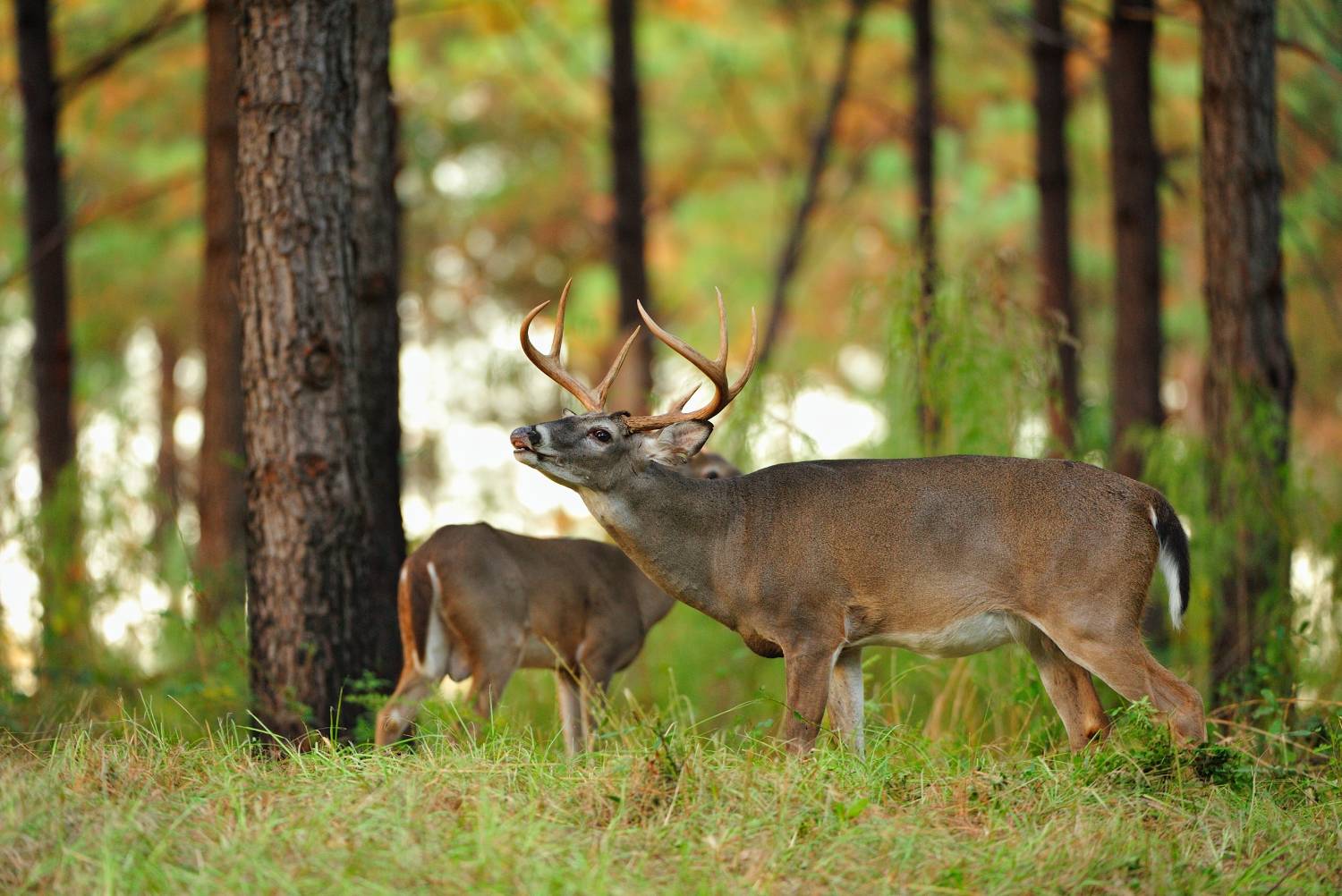
This is the shot most bowhunters dream about: a deer standing broadside at 15 yards, with its chest cavity clearly presented and no obstructions between you and the vitals. It's about as good as it gets.
A broadside presentation offers a relatively large vital area and a straightforward arrow path through the heart and lungs. When the shot is well placed, it provides an excellent chance of a pass-through, creating entry and exit wounds, maximizing blood trails and a quick recovery.
A properly executed broadside shot is one of the most forgiving presentations available to a bowhunter.
The problem is that hunters don't always have the patience to wait for it.
A buck may be standing at 20 yards with its body turned slightly away, and the temptation to shoot can be overwhelming. You may have waited all season for this moment. You may be afraid the deer will disappear into the brush if you wait another few seconds.
But if the deer isn't alert and the situation allows you to wait, there's often no reason to rush. A feeding deer may take another step and turn broadside. A deer walking along a trail may pause at just the right angle. Patience can turn a marginal opportunity into an ideal one.
How to prepare and practice: Broadside shots should form the foundation of your practice routine. Work on consistent groups at realistic hunting distances, shooting from the positions you'll use in the field. Practice your normal draw cycle, anchor, sight picture, and release execution until the process becomes repeatable under pressure.
Then add realistic distractions. Have a practice partner call out different target angles, vary the time you have to prepare and execute the shot. The idea is to build confidence in your ability to recognize and execute a good opportunity rather than simply shooting as many arrows as possible.
Final Thoughts
A hunter’s ability, or inability, to handle a racing mind and heart with a deer in bow range will make or break a hunt every time.
Will you be prepared to handle the pressure to produce?
Remember, slow down, think twice, and make better decisions that lead to better shot opportunities.
When a deer finally steps into range this fall, don't let excitement make the decision for you. Take a breath, evaluate the angle, and wait for the opportunity you've been practicing for.
Read More: Shot Placement for Bow Shots