By Ryan Fair
There was a time when finding a scrape was enough to get me excited. Fresh dirt, a chewed-up licking branch and maybe a big track in the middle of it, I was already looking for a tree to hang a stand in.
I learned the hard way that a scrape by itself doesn't tell you much.
Walk enough deer ground in October and you'll find scrapes all over the place. Some get hit once or twice and disappear. Others are made by younger bucks roaming around as testosterone starts taking over. Then there are the ones that seem to come alive every fall. The dirt gets worked year after year, the licking branch takes a beating.
Those are the scrapes I care about.
A mature buck might make scrapes all over his range, but there are certain scrape lines and scrape areas that just seem to matter more. Find one in the right location, and it can tell you a whole lot more than where a buck happened to stop one October night.
One Scrape Doesn't Make a Pattern
One of the biggest mistakes I've made over the years is putting too much faith in a single impressive scrape. You know the kind. It looks like somebody took a garden rake to the forest floor. There's a big licking branch hanging over it, tracks everywhere and maybe even a rub nearby. It looks perfect. The problem is that scrape might be 30 yards off a field edge where every buck in the neighborhood visits after dark. That's why I don't get too excited until I start finding more.
When I find one scrape, I start walking. I want to know if there's another one 40 or 50 yards down the trail. Then another. Pretty soon, what looked like an isolated scrape starts turning into a line. Now I have something worth paying attention to. The best scrape lines usually aren't random. They're tied to the way deer already want to travel.
Location Tells the Story
Where a scrape is located matters more to me than how big it is. I've found giant scrapes along field edges that looked incredible but produced almost nothing during shooting light. I've also found little scrapes back in the timber that weren't much bigger than a truck tire and had mature bucks visiting them regularly.
The difference was location.
I really start paying attention when scrapes show up along natural travel routes between bedding and feeding areas. Inside corners, creek crossings, saddles, benches, pinch points and narrow strips of cover can all produce scrape lines worth hunting.
One of my favorites is a scrape tucked back off the main food source. A buck might not step into a bean field until after dark, but he'll often work his way through cover beforehand. If there's a scrape 50 or 100 yards back in the timber along that route, suddenly you've got a much better chance of catching him while there's still enough light to shoot.
Those are the places where a scrape becomes more than a scrape. It becomes part of the buck's routine.
Look Up Before You Look Down
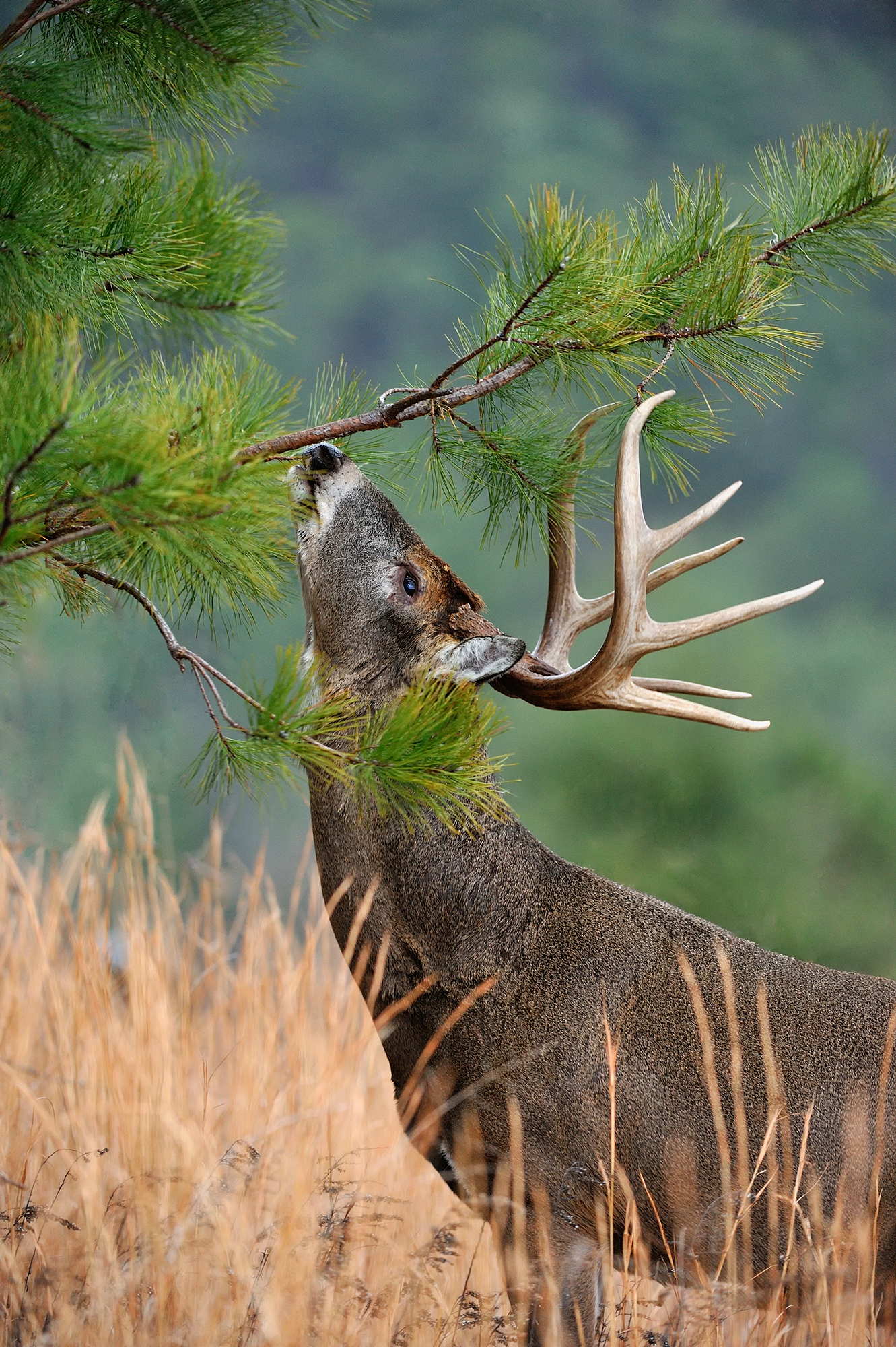
Everybody notices the bare dirt. I spend just as much time looking at what's hanging above it. The licking branch is what makes many good scrapes worth revisiting. I've watched scrapes stay active even when the ground underneath them barely looked disturbed. Deer will work that branch, rub their forehead and preorbital glands on it and leave scent behind. In some locations, that branch becomes a community signpost used by deer throughout the year.
That's also why certain scrape locations seem to show up season after season. The scrape itself may disappear under leaves or snow, but the right branch in the right travel corridor can keep deer coming back. I've returned to places the following fall and found fresh dirt underneath the exact same branch. When this happens several years in a row, I start paying attention.
History Matters
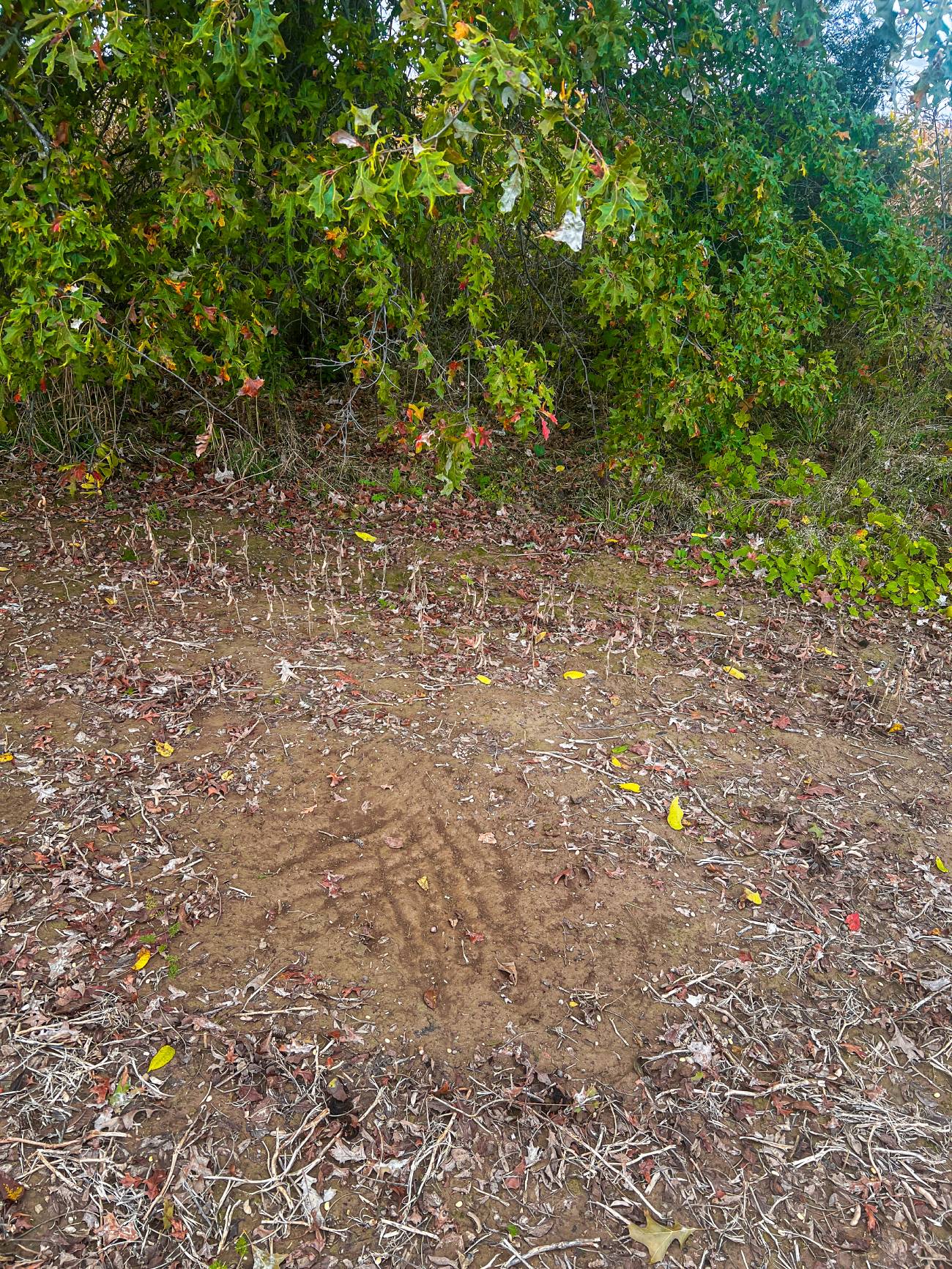
Some of my favorite scrape locations aren't ones I discovered this year. They're places I've watched for several seasons. That's a big difference.
If a scrape line shows up in roughly the same location year after year, there's probably a reason. Maybe it's sitting between bedding areas. Maybe several trails converge there. Maybe bucks naturally travel through that piece of cover as they begin checking does. Whatever the reason, history gives me confidence.
Trail cameras are especially useful here. I like placing a camera where it can cover the scrape without being right on top of it. Over time, I'm looking for more than one big buck picture. I want to see when bucks are visiting, which direction they're coming from and whether daylight activity increases under certain conditions. A pile of midnight pictures tells me bucks like the scrape. A handful of daylight pictures can tell me how to hunt it.
Find the Scrapes Closest to Security Cover
If I'm trying to kill a mature buck over a scrape, I usually want to move toward cover. The farther a scrape is from where a buck feels safe, the less likely he is to visit it during daylight.
That doesn't mean marching straight into his bedroom. There's a fine line between getting aggressive and ruining the whole setup. But I'd rather hunt a smaller scrape tucked against thick cover than the giant one sitting in the open where every deer hunter walking by can see it.
Sometimes the best scrape in a line isn't the biggest one. It's the last one a buck visits before entering his bedding area or the first one he checks after getting on his feet in the evening. Those little details can turn a good scouting find into a good hunting setup.
Don't Ruin What You Found
Finding a great scrape line can make you want to hang a camera, trim shooting lanes, move a stand and check everything every three days. That's also a pretty good way to make a mature buck quit using it in daylight.
Once I find something that looks promising, I try to keep my intrusion to a minimum. I want a clean way in, a clean way out and a wind that isn't blowing toward bedding cover. If I can't get those things, I'll wait. Scrapes are valuable because they can help narrow down where a mature buck wants to travel. But they aren't worth much if I educate him while trying to hunt them.
Hunt the System, Not the Dirt
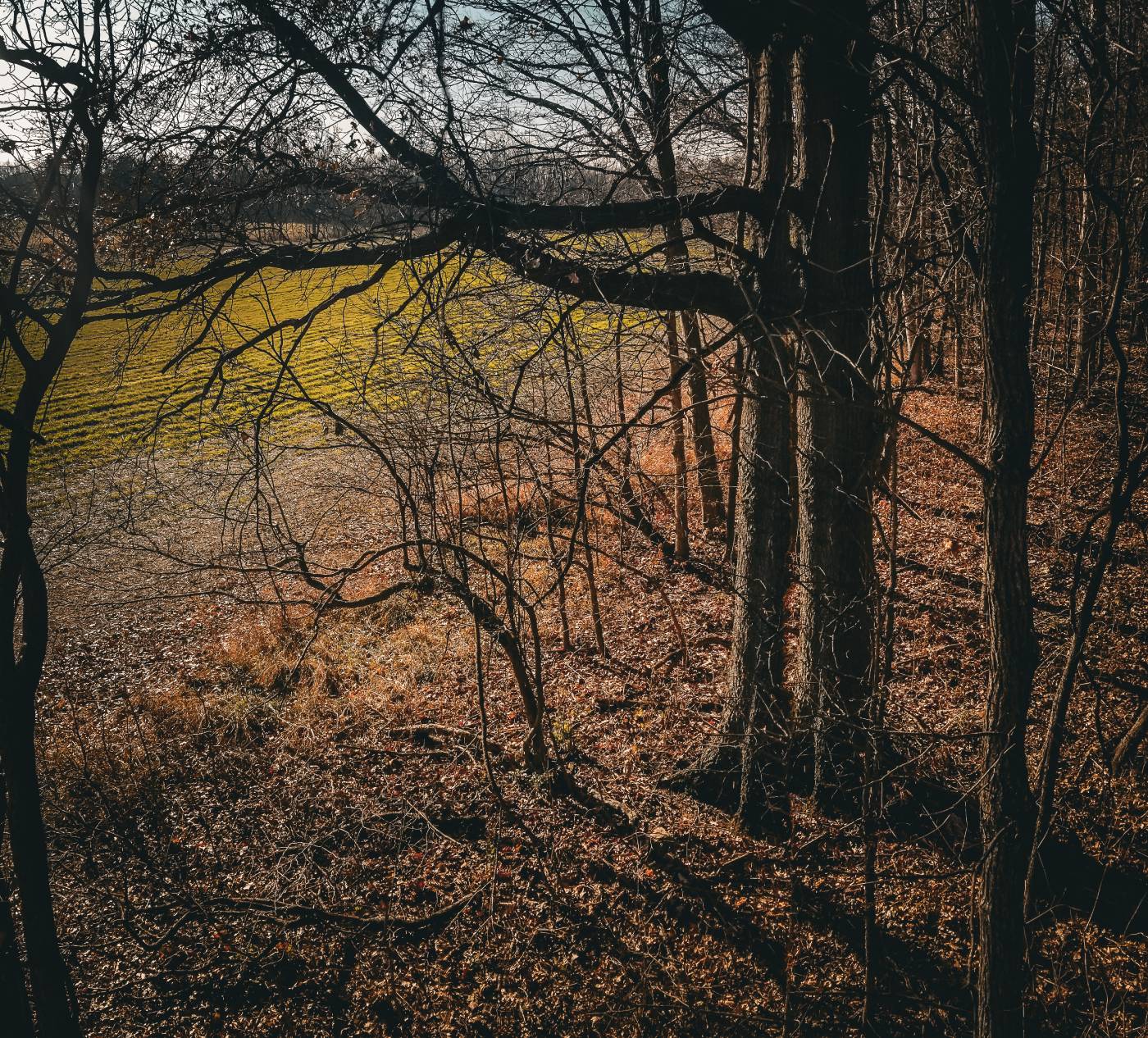
That's probably the biggest lesson scrapes have taught me. I'm not really hunting the scrape. I'm hunting the trail it's on, the bedding cover behind it, the food source ahead of it and the terrain that funnels a buck past that particular spot. The scrape is simply another clue telling me I'm in the right neighborhood.
Its easy to find a pawed-up patch of dirt in October. The trick is figuring out which ones actually matter. When you find several scrapes tied together along a good travel corridor, tucked close to security cover and showing up in the same locations year after year, slow down and start putting the pieces together. That scrape line might be telling you exactly how a mature buck likes to move through that piece of ground.
And once you know that, the scrape itself becomes the least important part of the whole setup.