By Ryan Fair
Every fall, I reach a point where I have a hard time driving past a pond without wondering what’s biting. The mornings cool off, weeds start browning, and baitfish begin bunching up. Bass know it, too. Some of the best feeding of the year happens within casting distance of the bank.
You don’t need a boat to get in on it. But you do have to pay attention. Fall fishing can be excellent one day and frustrating the next if you keep fishing the spots that worked in July. Find where the food has moved, and you’re halfway there.
Find the Groceries First
On unfamiliar water, I look for bait before I worry about stumps or docks. It might be minnows flickering along a rocky bank, shad dimpling the surface, or a bass busting a school in the shallows. A creek mouth is always worth a look. Small feeder creeks can carry food into a lake, and the nearby channel gives fish an easy route between shallow and deeper water. Windblown shorelines deserve attention, too. Wind can push plankton and baitfish toward a bank, and bass often follow. I’ve had good luck fishing the side of a pond everybody else walks past because the breeze was blowing straight into it.
Points, riprap, culverts, and the outside edges of remaining green weeds are other places I check. The cover helps, but bait is what keeps me there. If a bank looks perfect but there’s no sign of life, I don’t spend half the afternoon talking myself into staying.
Don’t Walk Past the Shallows

Don’t assume cooler weather puts every bass in deep water. Through much of fall, fish can be right against the bank, especially where a flat meets a ditch, channel, or sharp drop. I like to stop several yards short of the water and watch before making my first cast. If bait is moving against the bank, a bass might be sitting closer than the spot where I planned to stand. Charging down to the edge can ruin a chance before the lure ever hits the water.
Cast parallel to shore before throwing straight out. It keeps a lure alongside rock or weeds longer. Then work farther out until you find fish.
Pick Your Time, Not Just Your Spot
Summer taught a lot of us to fish at daylight or right before dark. Those can still be good times in the fall, but they aren’t the only windows worth fishing. As nights get colder, a sunny afternoon can warm a shallow bank enough to get bait moving and bass feeding. I’ve seen the bite improve after lunch on days when the morning was slow.
Cloud cover and a steady breeze can extend a feeding window, especially if fish are already chasing bait near the surface.
A big cold front can change things too. It can force bass to tuck into cover or slide toward deeper water. Watch the weather over several days, not just the morning you go. One cold night won’t always hurt the bite, but a string of them might tell me to slow down and fish deeper.
Bring Lures That Cover Water
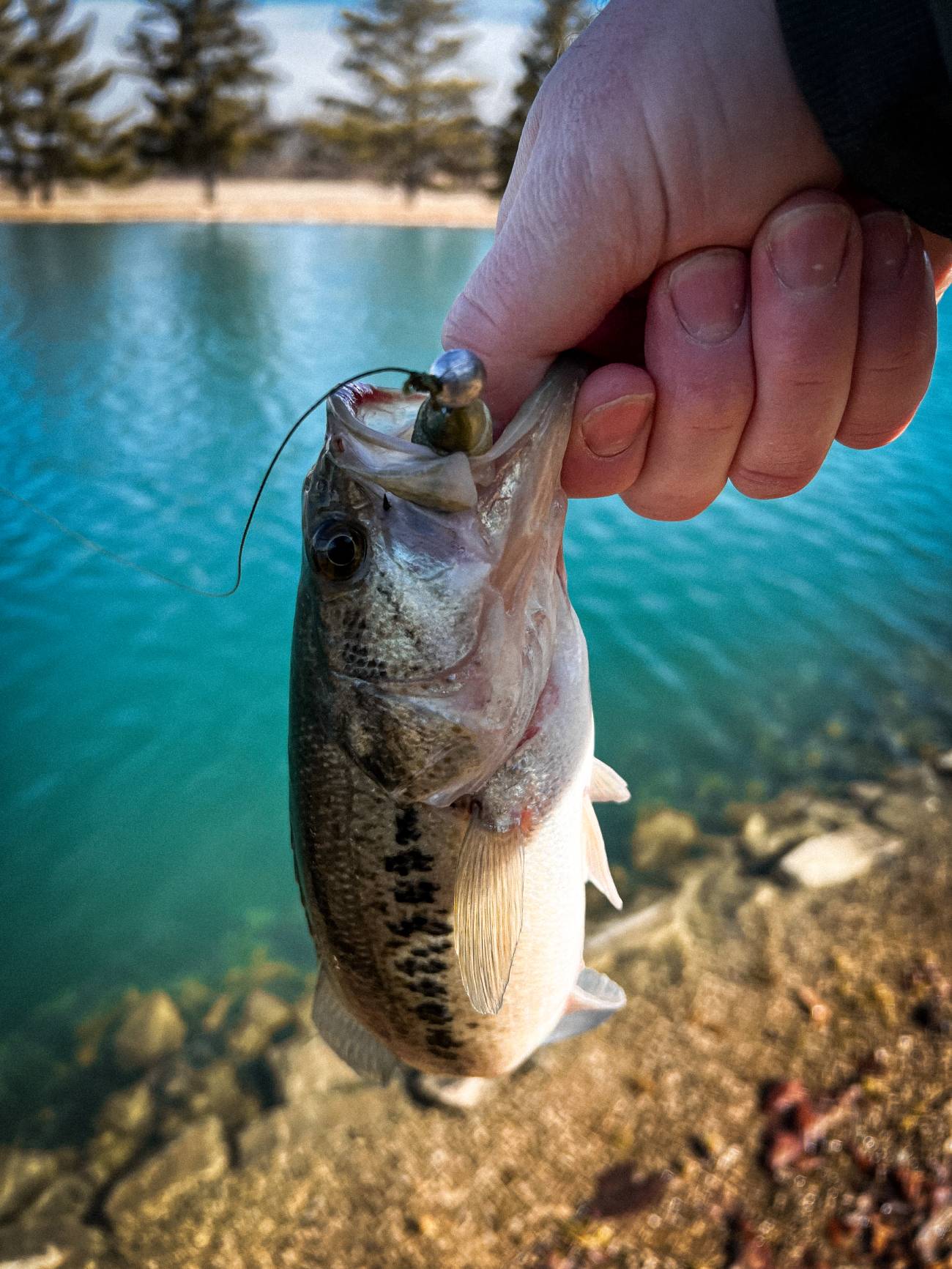
Fall is no time to carry every lure in the garage down a muddy bank. Most days, I can get by with a small box and a couple of rods. A spinnerbait is one of my first choices when there’s some wind or stained water. I can bring it past wood, rock, and weed edges without constantly hanging up. A squarebill crankbait is another good option around shallow rock and hard bottom. Let it bump cover now and then; those little changes in direction can draw strikes.
When bass are pushing shad or minnows toward the surface, I’ll throw a walking topwater or a soft-plastic jerkbait. If I can see fish chasing bait but they won’t touch my larger lure, downsizing to something closer to the size of the baitfish can make a difference.
I don't get too fancy with colors. White or shad patterns are my go to when the fish are eating minnows. If the water is muddy, I'll reach for something with more vibration and a little brighter color. I also carry a jig or Texas-rigged worm. After a front, when fish won’t chase, I’ll pitch beside a laydown or crawl the first drop. One careful cast can beat twenty rushed ones.
Keep Walking Until They Tell You to Stop
The beauty of bank fishing is you can change spots without starting a motor. I’ll work a stretch from several angles, then move if I’m seeing no bait or bites. Another point or creek mouth might be a short walk away. When I find fish, I don’t assume the whole shoreline is loaded. I pay attention to the exact spot, maybe it’s the windy side of a pond, or the first big rock beside a drop, or a patch of weeds that stayed green longer than the rest. Those details can help me find a second good place before the bite quits.
Fall can give a bank angler some of the best fishing of the year, but it rewards the person willing to watch the water and wear out a little boot leather. You need to find the bait, make smart casts, and keep moving until something happens. If you do that you might be surprised how many fish are feeding right under your nose.