By Steve Wayne
It seems harder these days to avoid conflict. “Road Rage” becomes the norm. Whether you are driving to work or inadvertently cutting a person off at the grocery store, tempers can flare. Unfortunately, conflict is also becoming more common when hunting on public land. Getting into arguments over who has the rights to a hunting area can ruin a hunt and get downright dangerous at times.
We partnered with Blake Smith who exclusively hunts on public land over 50 days a year in Central Florida to find out how best to get along with other hunters and avoid conflict. Blake Smith is a Professional Bass Angler from Lakeland Florida, and he competes in the Major League Fishing Tackle Warehouse Pro Circuit. When not travelling the country on tour or sharing about Jesus to others through his ministry Mission Culture Inc., Blake hunts deer, hogs, and turkeys as many days as his schedule will allow.
Managing Expectations
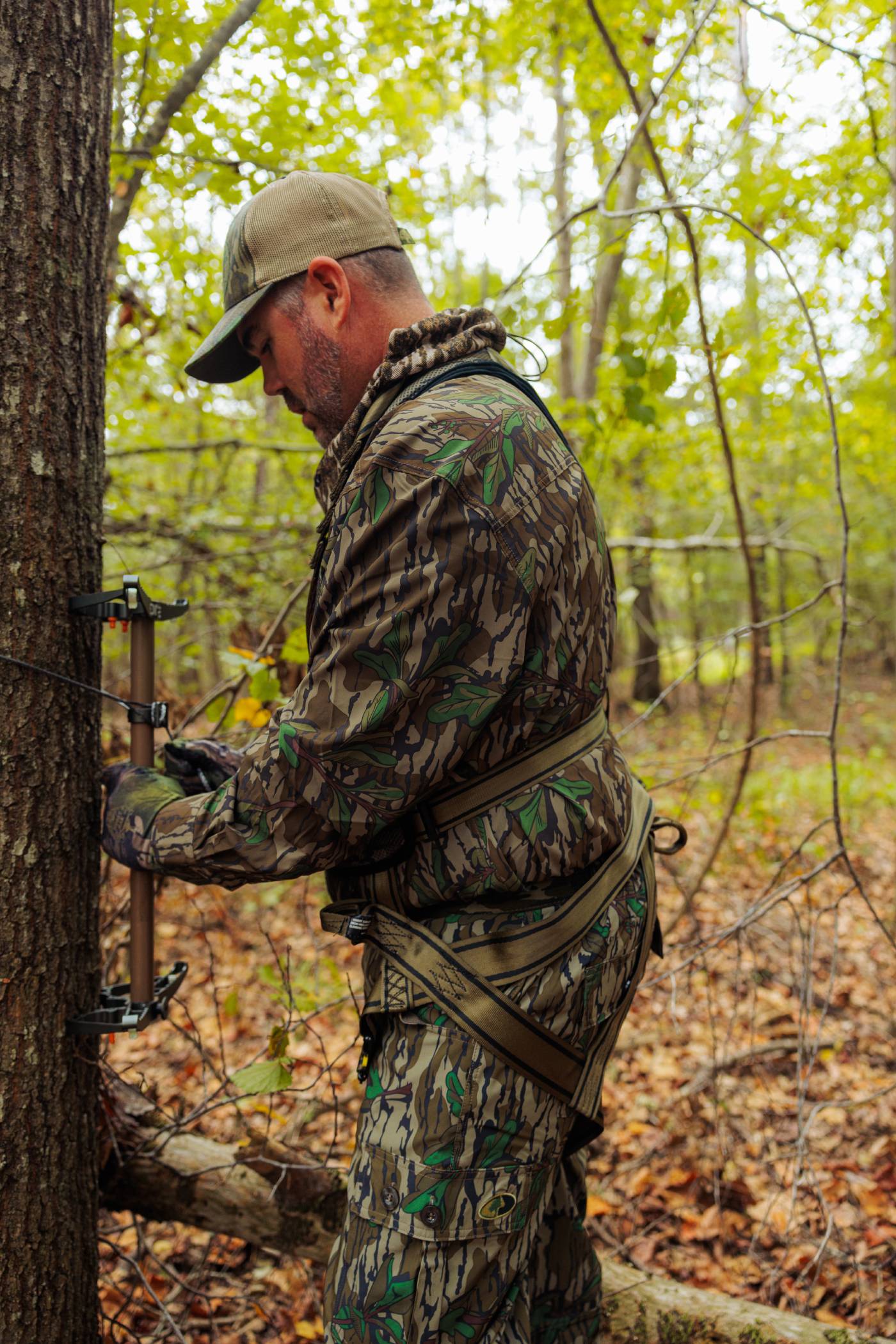
Two of the tracts that Smith hunts are considered two of the busiest Wildlife Management Areas in the state of Florida. “It is not uncommon to once, twice, or even three times a week to run into somebody out in the middle of the woods” explains Smith, “It’s not a matter of ‘if’ you run into someone else or encounter somebody, it’s when”. Having a good attitude and open mind about public land is helpful. Smith views public land as anybody’s woods. “I never claim ownership because the woods are for everybody” admits Smith.
At the end of an unsuccessful afternoon hunt, Smith decided to leave his Old Man tree stand in the woods with plans of returning in the morning. The following morning, Smith hiked several miles through the woods under the cover of darkness, and he used a small flashlight to locate his tree stand from the following day. After climbing up the tree and settling in for his hunt, the sun began to rise. Smith heard the unexpected sound of someone making a cough close by. Next, Smith heard the sound of a zipper and he noticed somebody standing out of the corner of his eye. During the night, a man and woman set up their camping tent just yards from Smith’s tree stand. “I’m like these people have no idea that I’m even here. I did not want to see something that is not good and wanted to stay above reproach, so I told them that I was there by announcing my presence” explains Smith.
Finding a Good Hunting Area
Finding a hunting area away from others is a big step in avoiding conflict. Depending on the area, Smith may walk up to 10 miles from his truck in large parcels of public land or a mile or two off the road in smaller areas. “I want to get as far away, not necessarily because I feel like hunting is better, but it’s just so I don’t have to worry about people” explains Smith, “Most people aren’t going to put that much effort into it, not your average Joe hunter”.
When scouting for deer, Smith does not get alarmed when finding signs of other people. Some tree stands are left in the woods for years on public lands and are never hunted again and Smith will not shy away from areas that contain old tree stands. “Last year I killed a deer 50 yards from another tree stand. The guy never hunted from the stand the whole season” explains Smith. He feels that many people put up stands and then forget about them or they lose interest in hunting. Finding beer bottles or other trash is not viewed as a red flag because trash could have been there for a long time and may not indicate recent activity. “I shot a deer last year from a stand that had about 8 beer bottles underneath it. Some other guy probably sat there before and drank an entire 12 pack” jokes Smith.
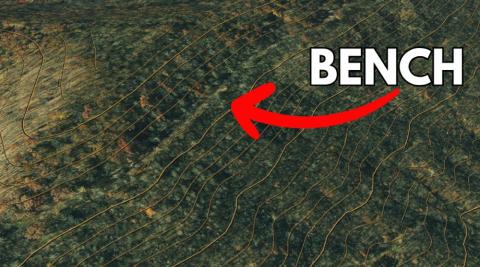
When scouting an area, finding active trail cameras can alert you to other hunters in the same area. Before leaving, Smith marks other trail cams on his GPS and he attempts to figure out why cameras were placed in an area. This can help him to pattern deer. “I might find a depression line that runs a quarter mile away that deer are using that would help me” explains Smith.
After a promising area is located, Smith places his Browning Trail Cams in the area. This helps him determine if there are people walking through, and if there is active game or other animals in the area. If Smith finds a large concentration of does on camera, he feels that larger bucks are likely to be close by. An absence of people on camera in this situation would give Smith the confidence that deer could receive very little hunting pressure.
Avoiding Conflict
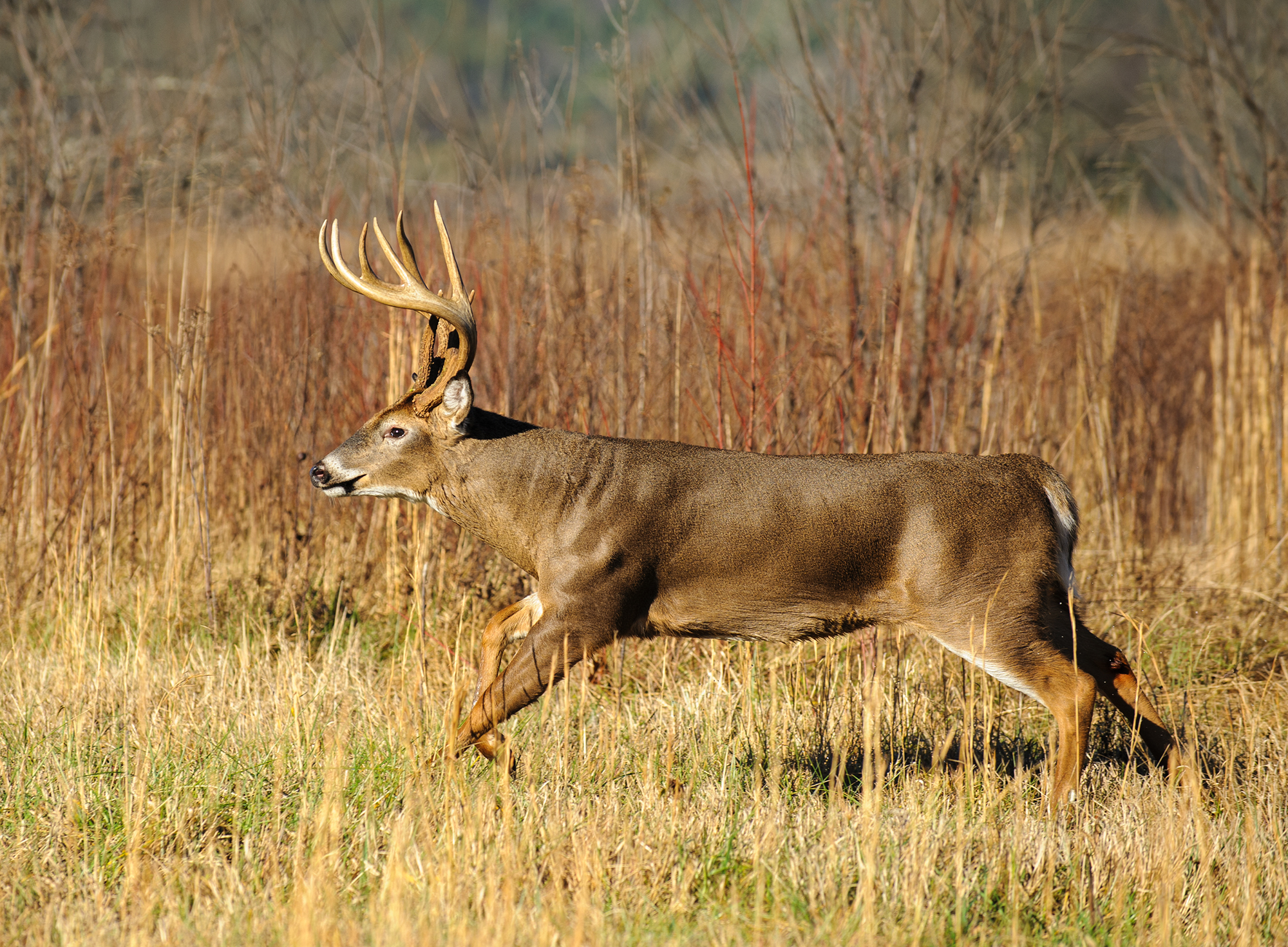
When making unexpected contact with another hunter in the woods, Smith recommends going to the hunter while maintaining good communication and safety. “If I ever have an encounter in the woods, I go to it and not away from it” explains Smith, “I know that might sound weird, but I go and have a friendly conversation with them”. He feels that you will have less issues by contacting the other hunter and explaining why you would like to hunt an area. Normally a compromise can be reached.
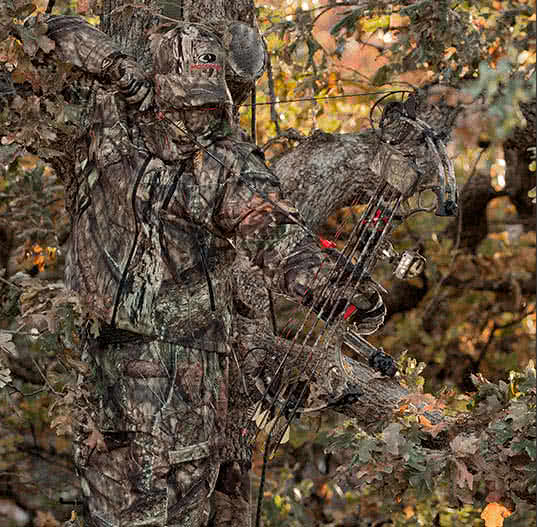
If Smith is already up a tree and hunting from his stand, he may take a different approach. In Florida, hunting during archery or crossbow season, hunters are not required to wear hunter orange clothing, and Smith may opt to stay concealed by letting the other hunter walk by his stand. “My first instinct is to wear the best camo that I can such as Mossy Oak and not say a word or let them know that I was there” explains Smith, “If I’m camouflaged up with Mossy Oak and they don’t know that I am there, the deer won’t know that I am there either”. The only time that Smith says something is if the person is attempting to set up a blind or climb up a tree close enough that it will affect his ongoing hunt. “Concealment is half the battle when it comes to dealing with people in the woods. If you can stay hidden for as long as you can, often they will walk right by” explains Smith. If you do have an encounter, the best thing that you can do is to be cordial and talk things out.
During the opening morning of crossbow season, Smith took a mile and a half walk from his truck. He found his hunting spot that seemed like the middle of nowhere. Smith sat in a tree as he waited for the sun to rise. Shortly after daylight, a nervous doe walked out of the woods and appeared at the extreme edge of Smith’s shooting range. It was a long shot, but Smith aimed his Barnett crossbow at the nervous deer and took the shot. Because it was such a long shot, the doe ducked the arrow as she turned to dart away. The arrow missed its’ mark striking the ground behind the deer.
Smith climbed down from his tree and attempted to find his errant shot. Much to his surprise a camouflaged man was laying on the ground just 10 yards behind the arrow and was passed out asleep and likely on drugs. Unbeknownst to Smith, the man walked into the area in the dark without using a flashlight and he decided to sit down in front of Smith’s tree stand. Smith walked over to the man and spoke with him. At first the man was upset and he accused Smith of ruining “his hunt” even though he was fast asleep when a doe walked by only 10 yards away. Smith used a friendly and welcoming disposition by inviting the man to use his tree stand while Smith went to a different area. As weird as the interaction was, both hunters came to an understanding and agreement. Smith walked away, scratching his head and he never saw the other hunter again.
If another hunter insists on hunting the same area and holding their ground, Smith recommends packing up and moving. After a break for lunch, Smith was walking back to his stand for an afternoon hunt when he came across a man who had just set up a stand in the same area. Smith approached the man and said, “I’m sorry, but I hunted here this morning. My stand is back there, and I am going to go and grab my stand and pull out of here because you are already set up”. Because of this gesture, Smith and the man later became close friends and have hunted together over the years.
Hunting Pressure
On busy public hunting areas, you can positively use hunting pressure to your benefit. “One smaller area that I hunt has 6 or 7 hiking trails running through it along with a lot of hunting pressure” explains Smith, “During general gun season, pressure from all of the people keep the deer moving”. On this area, deer often move at a very swift pace because of all the hunters, hikers, joggers, and bikers. “I’ve even had a guy ride by my stand on a unicycle!” jokes Smith.
On busy areas, Smith always has a “Plan B” by having an extra Old Man tree stand in his truck in case someone his hunting in his preferred spot. He will even grab and go and move areas in the dark if he sees someone hunting too close to his stand. During archery or crossbow season, a hunter’s range is usually limited to 50 yards or less, so Smith does not mind if a hunter hunts a hundred yards from his location. During general gun season, his distance of comfort is increased.
The next time that you are hunting on public land, keep it simple by being respectful to others. “I always try to go above and beyond to be nice to people and to treat them with respect and treat the woods with respect” reasons Smith, “It will go a lot further that way”. Getting into a shouting match or confrontation with another hunter just isn’t worth it.