




By Heath Wood
For many hunters, January only feels like time is running out. The season is coming to an end, motivation is waning, and the woods seem emptier each day. But for those still working with an unpunched buck tag, January isn’t the time to give up; it’s a final shot. In many ways, it’s the most honest window of the entire season. The excitement of the rut has passed. Leaf cover is gone. Food is scarce. And whitetails are no longer acting like they typically do; they’re simply surviving.
Late season deer hunting comes down to the basics: food, cover, and weather. If you can pinpoint where a mature buck is hanging out and time your approach right, January can give you one last, hard earned shot to make it happen.

Food Is No Longer Optional
By January, food sources don’t just influence deer movement; they are essentially the key to a successful late season hunt. A buck that once traveled several ridges to check does is now mainly focused on conserving energy and replenishing calories. That means the most consistent late season action takes place near the best remaining food source.
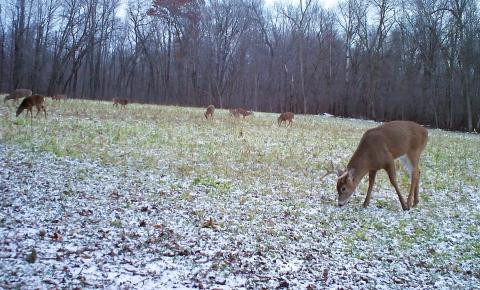
Standing corn, soybeans, winter wheat, brassica plots, and even overlooked food sources like greenbrier, and cut corn edges can become magnets for deer. In crop rich areas, one field might hold nearly every deer in the region. In big woods or hill country, south facing slopes with browse that remains green longer often serve as the main attractant instead of farm fields. The key is not just finding food but finding the best food available in that moment. A bean field that was hot in December might be useless in January if a neighboring cornfield is still standing. Late season success depends on constantly reassessing conditions.
In southern Missouri, where I live and hunt most of the time, we don’t have the luxury of abundant large food sources. Deer often share the same overgrazed fields as the local farmers' cattle. Food is scarce. At the same time, it’s easy to locate herds of deer. If there’s grass to eat, deer will find it. When you discover these areas, afternoon hunts tend to be successful for spotting a mature buck, which hangs out with the rest of the herd, all trying to fill their bellies and stay warm.
Let Cold Fronts Make the Call
If there’s one rule for January deer hunting, it’s this: cold fronts matter more now than at any other time of the season. When temperatures drop quickly, deer are forced to feed earlier. A sudden drop in temperature after mild weather can cause a property to shift from no movement to consistent activity overnight. Mature bucks that have been moving only at night will often start rising earlier, especially when snow cover or bitter cold increases their calorie needs.
Late season hunters should resist the urge to hunt every day. Instead, reserve your sits for the right days, which are typically those first 24-48 hours after a strong cold front arrives. Use a GPS hunting app like Deer Cast or HuntStand and stay flexible with your plans for upcoming cold fronts. Increase your chances, because January rarely provides second opportunities.
Pressure Changes Everything
By January, deer have been hunted for months. They’ve heard deer calls, smelled boot tracks, and watched orange vests move through the woods. The bucks that survived did so by adjusting, and if you keep hunting the same stands the same way, you’re playing right into their hands. It can be discouraging to take a break after the rut, regroup and rest up a bit before hunting again, only to return to the same stand and not encounter a deer. Having specific blinds or stand setups for the late season is key when adjusting to the deer, as they change their normal patterns.
Late season bucks often choose bedding spots that are tough to hunt, like steep hillsides, brushy creek bottoms, or thick timber that no one wants to hunt, especially in freezing weather. These deer stay alive because they’ve found safety, and they can endure hunger longer than they can handle danger.
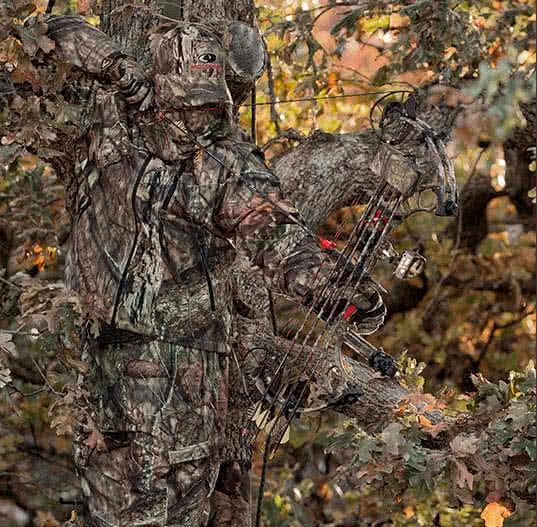
This is where many hunters fall short. Success in January often depends on hunting uncomfortable areas and approaching them differently, such as taking tight access routes, making midday moves, and setting up to avoid skyline silhouettes. It's tempting to want a warm box blind when sitting over a large food source in single digit temperatures. However, using a tree saddle or hang-on stand to access hard to hunt areas can be the key to finding big bucks. If there’s ever a time to leave comfort behind and hunt aggressively, January is it. Late season deer patterns are tight and predictable, but they can shift quickly. Being willing to slip in with a lightweight setup, or adapt at midday can pay off.
Bedding-to-Feed: Shrinking the Window
With limited movement during daylight hours, the best spots are often located between bedding areas and food sources, rather than directly over the crops or food plots. Big bucks often stall for several minutes before stepping out into an open field, especially during daylight hours.
When narrowing down your stand or saddle location, start by looking for thick cover along the edge of the woods, spots where deer enter with the wind in their face, or small terrain features that let deer scent check fields before they are sure they are safe and can go into the open. When hunting in cold weather, these movements can happen earlier than expected, but they’re usually quick, so always be alert.
The Final Sit
Late season bucks are rarely careless, and January kills are never easy. But there’s something uniquely rewarding about tagging a mature buck when survival is his only priority, and your margin for error is razor thin. If you’re still holding a buck tag, don’t see January as desperation; see it as a time for redemption. Simplified patterns, honest movement, and one last window where preparation meets opportunity. Grind it out, hunt smart and when that buck finally steps into range, you’ll know you’ve fought hard for that moment. Because sometimes all it takes is one last shot.