




By Heath Wood
When winter arrives and the woods go quiet, many hunters consider it the end of the season and take a break until spring. But hunters who embrace the cold often look forward to frosty mornings, crunchy leaves, and biting winds because they know this is one of the most productive times of the year. Many believe that extreme cold drives wildlife deeper into hiding, like in the old children’s movie Bambi. However, in many cases, it actually encourages them to come out. Deer, predators, and small game all respond to cold weather in predictable ways, and a clever hunter can use those patterns to their advantage.
Winter is nature’s great equalizer. Food becomes scarce, energy is limited, instincts sharpen, and movement windows shrink. In other words, the cold simplifies the woods in a way no other season can. For deer hunters who know how to read winter signs, adjust their gear, and embrace the conditions rather than avoid them, the opportunities can be excellent.
Late season deer hunting wasn’t the only thing that hooked me early on. Anytime school was canceled for snow, instead of joining the neighborhood kids to sled, I’d head straight for the woods to hunt. You could say I cut my teeth on predator hunting during those frigid teenage winters, learning how to capitalize on cold, hungry coyotes when the temperatures dipped to their lowest.
Fast forward ten years after I graduated from high school, and I can still recall one of the most memorable coyote hunts. I sat up in a small field on my neighbor's property the day after a major snowstorm blanketed the ground with eight inches of snow. That morning, I played a distressed rabbit call on my electronic caller when a coyote burst out of the timber, only to catch a whiff of my human scent. When the coyote turned and bolted, the heavy snow slowed his pace. As he reached the backside of the hill, the coyote ran across the middle of a frozen pond, then stopped and looked back my way before entering the timber. I was ready, and I took the shot, dropping him onto the edge of the frozen water. Hungry coyotes are so much fun to call during peak winter.

How Cold Weather Influences Deer Movement
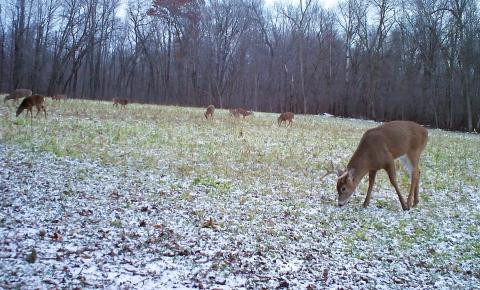
Few topics stir more debate than how cold affects deer movement, but one fact that cannot be denied is that extreme cold increases a whitetail’s need to feed. When temperatures drop below normal for several days, deer must burn more calories to maintain body heat, driving them to feed even during daylight. This is when food becomes the magnet that draws deer's attention.
Winter concentrates deer around reliable food sources such as cut corn, standing soybeans, turnips, mast filled ridges, or browse rich clearings. Once winter hits hard, bucks that spent November roaming widely and unpredictably shrink their range and suddenly become highly patterned again.
Afternoons dominate winter success. As the mercury drops, deer often get up early to find food before temperatures plummet after dark. However, late mornings can also be unexpectedly productive, especially when sunshine warms south facing slopes. To make things easier, when hunting in cold winter weather, find the food, and you will find the deer.
Cold Driven Movement Patterns
Extreme cold also affects how deer move. Deer will prefer thermal cover such as cedars, pines, and deep draws to stay warm, as these block the wind. Their travel typically follows established trails rather than carving new paths, which helps conserve energy. Find the areas where deer have always traveled, and you'll most likely see deer there. These are key spots to observe deer movement. Next, you need to know where they bed. During winter, deer often bed in sunlight when possible, especially in single-digit temperatures. Just like humans sitting in a treestand, when the sun shines directly on you, it keeps you warmer, no matter how cold it is. For hunters, locating where deer bed allows them to stay warm, and they will usually see deer coming and going throughout the day. For hunters willing to brave subzero mornings or windchill heavy afternoons, these patterns offer reliable predictability.
How Winter Affects Predator Behavior

As for predator hunters, winter is ideal for several reasons. Coyotes, bobcats, and foxes become far more active when winter hits full stride. With food harder to find, predators move more, travel farther, and respond more readily to calls.
Frigid temperatures extend the coyote’s daily activity window. They spend more time searching for food, which results in increased daylight movement. Cold snaps also coincide with the pre-breeding and breeding seasons, typically occurring in late January and February in most regions, making vocalizations during calling and hunting especially effective.
Distress calls attract hungry coyotes during extreme cold. When food such as rodents, mice, and other prey is buried in the snow for several days or hidden to stay warm, coyotes grow hungry. A hungry coyote is more likely to respond quickly to a distress sound than at other times of the year. Howls and challenge calls elicit territorial responses in late winter, during the breeding season. Breeding coyotes are more vocal and sometimes more aggressive when responding to a call. This is why winter coyote calling is often considered the best time to attract them.
Cold Weather and Small Game
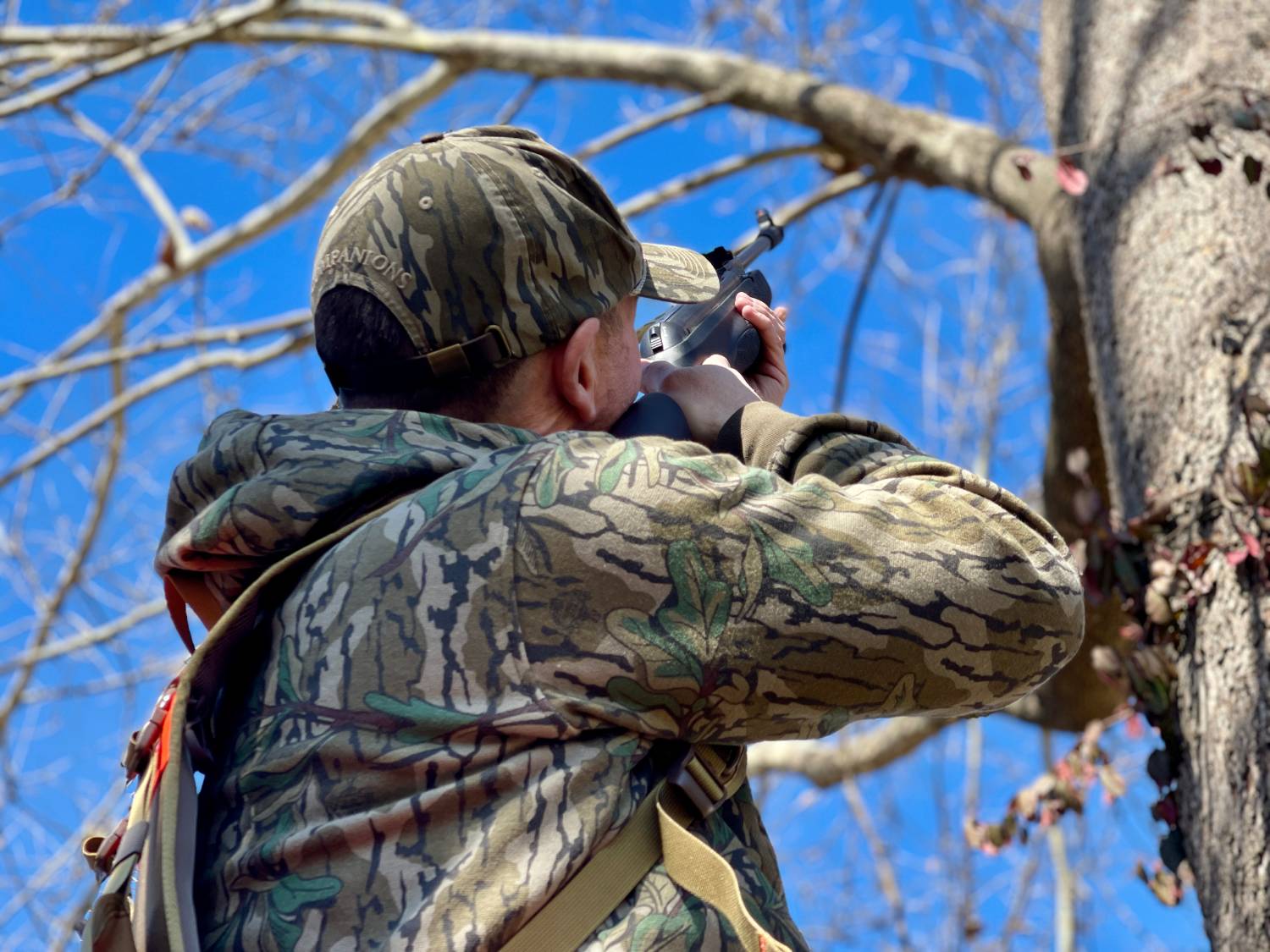
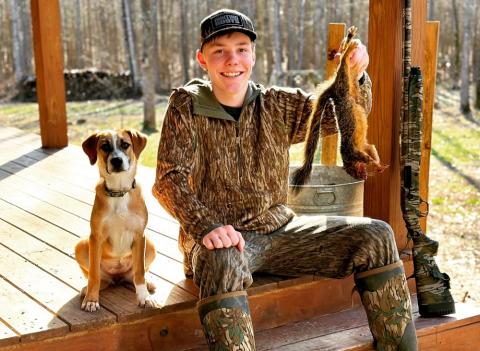
If you’re not up to hunting deer or predators during the cold months, there's always small game hunting. Snow and cold weather can push rabbits, squirrels, and upland birds into thick cover, making them easier to find. During deep cold, rabbits gather in brush piles, hedgerows, and briars. Squirrels feed mid-morning on sunny days and often stay active longer as they try to recharge their calories. That is why winter is also a great time to hunt smaller critters.
Late season pheasants and quail also have excellent winter habits that make hunting more appealing. Birds often move to thermal cover such as cattails and native grass, making them easier to pattern despite the challenge of reaching them. A morning of walking in the snow can be exhausting, yet a vest full of birds by the end of the hunt is more likely during this time of year.
Adapting Your Gear for the Deep Freeze
The challenge of winter hunting isn’t always the animals; it’s the cold itself. The right gear transforms miserable hunting into comfortable, productive sits.
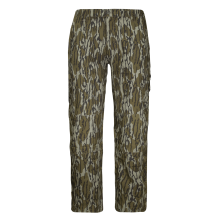
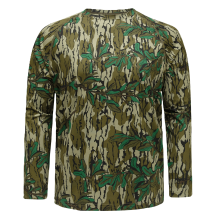
Modern base layers wick moisture and trap warmth without restricting movement. Mid-layers made of wool or synthetic insulation retain heat. Windproof outer shells protect your core from harsh conditions on exposed ridges or food plots. When dressing for cold weather, remember to wear both base layers and warm outerwear to stay comfortable longer.
One of the most important factors, in my opinion, is hand warmth. Warm hands affect shooting ability during winter. Good gloves or a well designed hand muff, combined with chemical or electronic warmers, keep fingers ready for the trigger. The same applies to insulated boots or heated insoles. These keep feet functional during marathon sits and maintain comfort throughout the hunt.
Winter is when the woods reveal their truth. Food scarcity forces movement. Cold simplifies patterns. Tracks tell stories in the snow. Predators roam more freely, and deer become dependent on their survival instincts. For hunters willing to embrace the discomfort, winter offers some of the year’s most predictable and rewarding opportunities. Bundle up, settle in, and let the cold work for you.