By Heath Wood
When the November rut gets rolling, some of the best opportunities can come when most hunters are thinking about calling it a day. Several years ago, shortly after my wife and I were married, I experienced a hunt that I've since come to call the “Chicken Strip Hunt.”
The rut was in full swing, rifle season was underway, and I had the entire day off work. With nowhere else to be and no reason to rush home, I planned to make the most of every daylight hour. After a long morning in the stand and several deer sightings, I was still eager to keep hunting, but my stomach had other plans. Hunger was beginning to win the argument, and I found myself thinking more about lunch than the deer moving through the timber. That's when I sent my wife a text: “Would you want to bring me some chicken strips?”
A local restaurant back home served up a classic order of chicken strips that had been on my mind for the better part of an hour. Thankfully, she was willing to make the trip and meet me at the farm gate with my lunch. After quickly polishing off those warm, deep fried chicken strips, I headed straight back to my stand, ready to spend the rest of the afternoon hunting.
About an hour later, a mature buck came slowly cruising through the timber, making his way beneath the November sunshine. Had my wife not been willing to make that roadside delivery in the middle of a hunting day, I might have missed my opportunity at that buck altogether. It's a hunt I'll never forget, and a pretty good reminder that when the November rut is in full swing, it's worth doing whatever it takes to stay in the woods. Sometimes, that even means arranging a chicken strip delivery.
For many deer hunters, November mornings follow a familiar routine. Get into the woods before daylight, climb into a stand, and settle in before the first hint of sunrise. The next few hours are spent watching the woods or an open field, hoping a buck will cruise through or a group of does will make their way to you with a buck following close behind. But as the morning wears on and deer activity seems to slow, the temptation to climb down and head home becomes harder to ignore. That's where hunters can make a costly mistake.
During the November rut, midday isn't necessarily downtime in the deer woods. In fact, it can be one of the most productive windows of the entire day. While some hunters are heading home for breakfast, checking their phones, or taking a break until the afternoon hunt, other hunters are staying put. And sometimes, those extra hours are exactly what it takes to encounter a mature buck. November bucks don't operate on a convenient hunting schedule. Their movements are driven by the rut, hunting pressure, and the constant search for receptive does. When a buck is actively cruising, he may cover considerable ground throughout the day, making stops along the way to check doe bedding areas, investigate fresh sign, or, as in my case, casually walking through, while trying to find a doe who will give him some attention. For hunters willing to stay in the stand, those movements can create opportunities that are not as likely to exist during the first hour of daylight.
Bucks Don't Punch a Time Clock
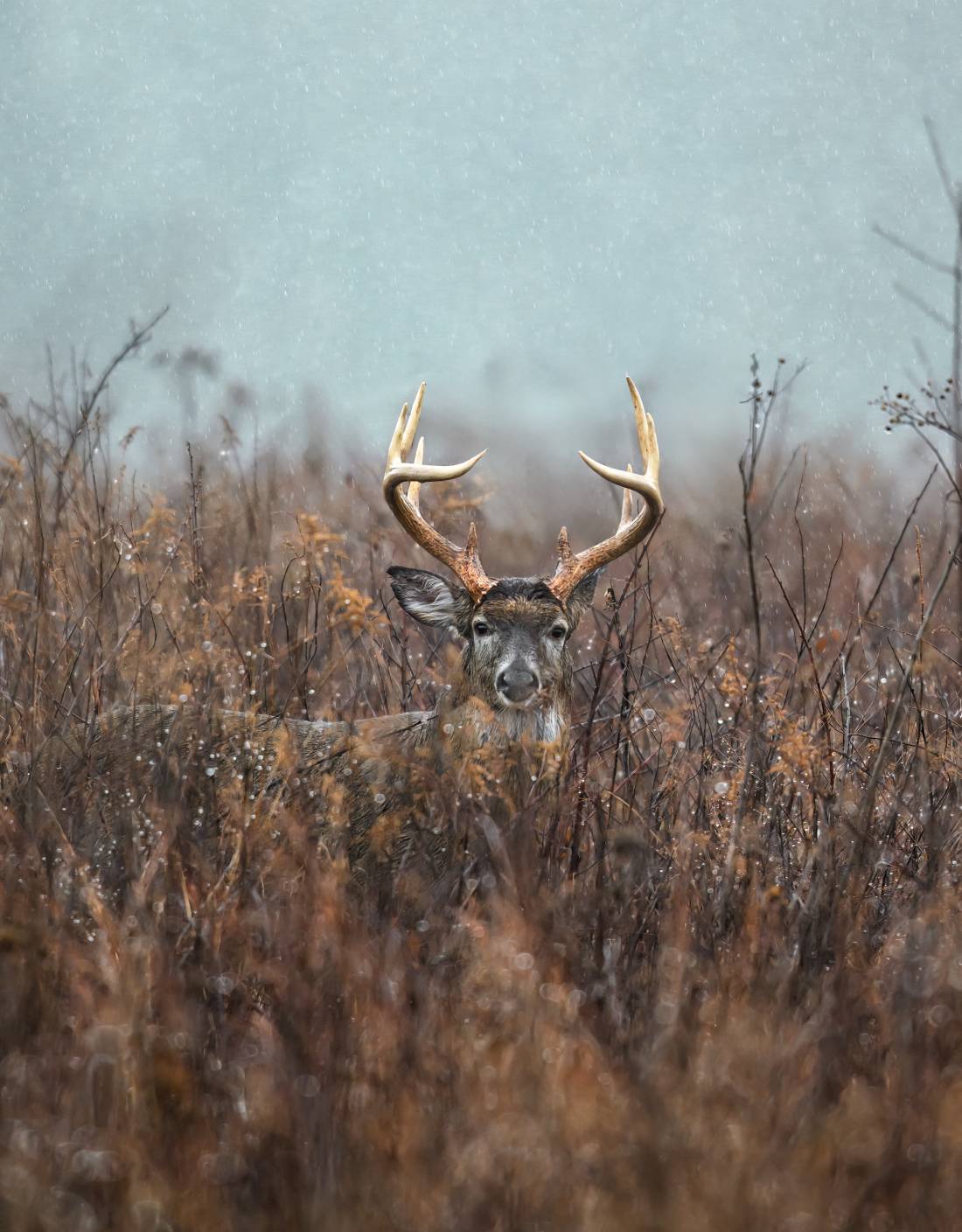
One of the biggest misconceptions among deer hunters is that most deer movement happens during the first and last hours of daylight. While those periods certainly deserve attention, the November rut can change the daily movement patterns of mature bucks. During the breeding season, bucks are constantly checking their surroundings for receptive does. A buck that spent the early morning following a doe may eventually move on and begin searching elsewhere. Another buck may spend the morning cruising a ridge, while checking several doe bedding areas before moving into another section of the property. This is particularly true during the seeking and chasing phases of the rut. Bucks may travel throughout the day, covering ground that takes them through funnels, field edges, and other natural travel corridors.
Even when deer movement appears slow, a mature buck can show up at almost any time. He might cruise through a pinch point at 10:30 a.m., skirt the edge of a bedding area at noon, or follow a fresh scent trail through a travel route in the early afternoon. The key is understanding that midday movement isn't always about deer traveling to food or returning to their bedding areas. Sometimes, a buck is purely covering ground in search of the next breeding opportunity.
Hunt Between Doe Bedding Areas
If you're planning to spend an entire November day in the stand, location becomes extremely important. Rather than automatically choosing a stand overlooking a food plot or a crop field, find a spot that connects multiple doe bedding areas.
Doe bedding areas can become some of the most valuable pieces of property to hunt during the rut. When bucks begin searching for receptive does, they naturally gravitate toward areas where does spend much of their time. Look for areas that allow a buck to travel between bedding areas without exposing himself. Saddles, ridge points, and narrow strips of timber can all create natural travel funnels. These locations become even better when they connect multiple bedding areas or allow a buck to travel downwind of doe bedding cover.
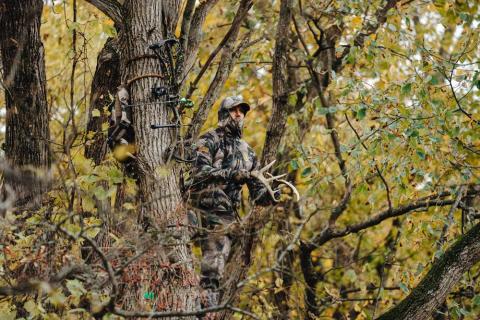
A good stand location doesn't necessarily have to be directly over the bedding area. In fact, setting up along the route a buck uses to check that bedding area can be a better option. You want to intercept him while he's traveling, not necessarily climb into the middle of the area where deer feel secure. For myself, being more of a mobile hunter, a tree saddle can be beneficial when hunting these locations. Being able to adjust for wind direction, fresh sign, and changing deer activity allows for more flexibility throughout the season.
Let Hunting Pressure Work in Your Favor
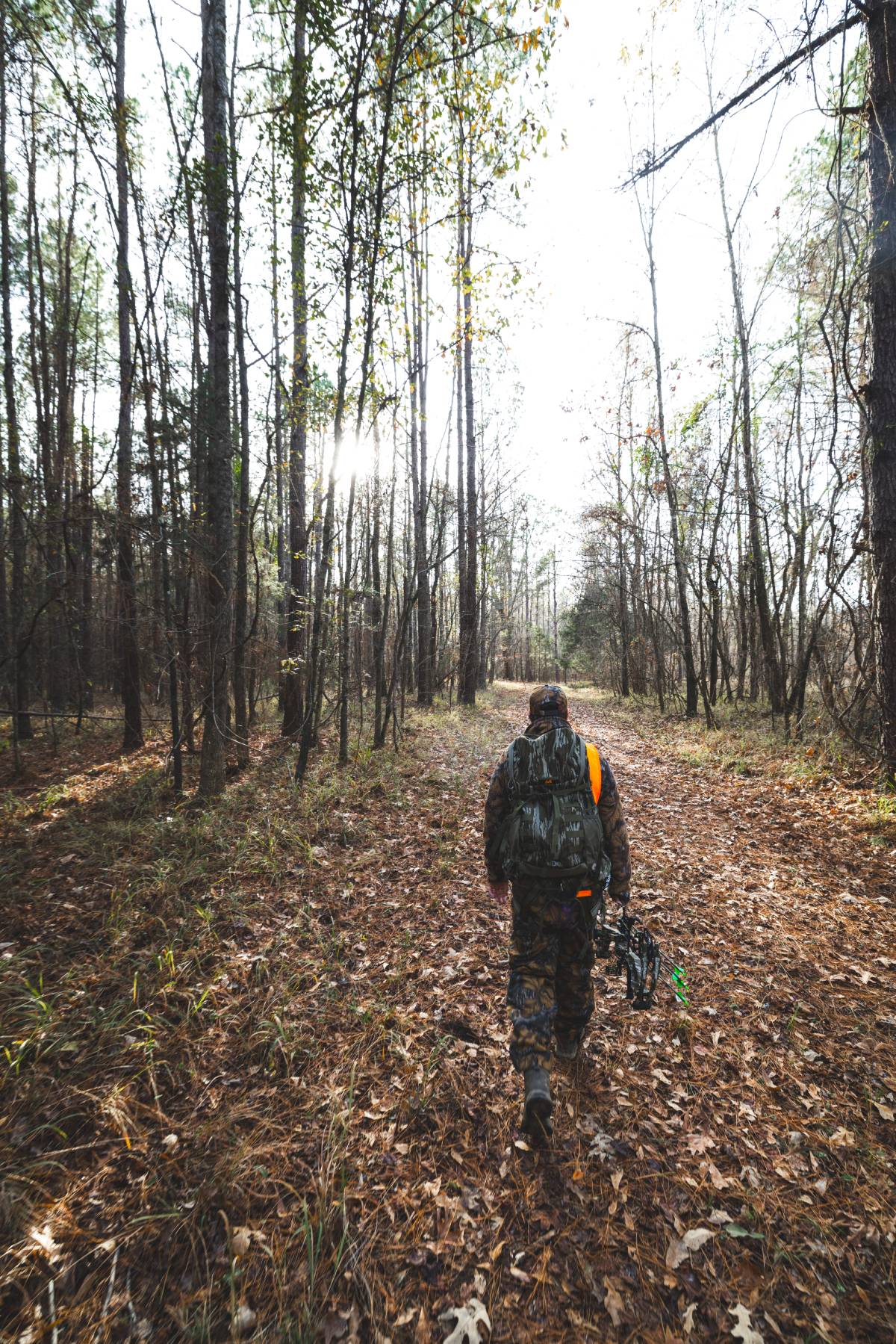
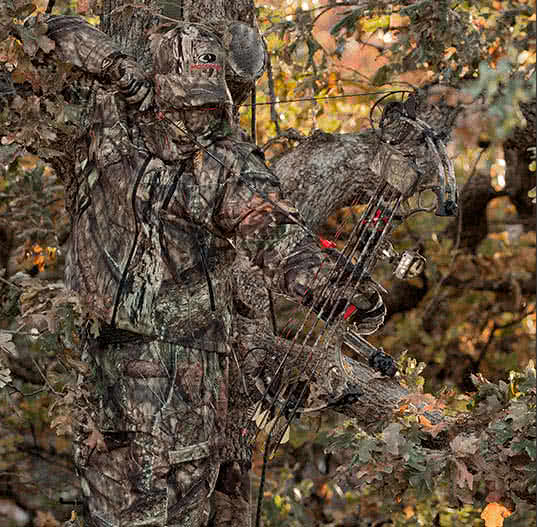
Another reason to stay in the woods during November is the amount of hunting pressure ramping up. Especially for public land hunters, the woods can quickly change after daylight. Hunters enter from multiple points, move toward popular stand locations, and eventually begin climbing down when morning activity slows. For example, last year while hunting public land, I climbed into my Tethrd Mossy Oak Bottomland Phantom Saddle well before daylight, only to catch the glow of another hunter’s flashlight moving through the woods soon after getting settled. After that, it wasn’t until late morning that I encountered my first deer, because of the added hunting pressure.
Private properties can also experience similar pressure, especially when neighboring landowners are hunting aggressively during the rut. While pressure can certainly make deer more cautious, it can also create movement. Bucks that have been bedded in one location may get pushed from nearby cover. Other deer may change their travel route to avoid areas where they encounter people. A buck that normally spends the morning in a thick bedding area may suddenly be forced to move when another hunter enters the woods. That movement can send him through a funnel, across a ridge, or along a travel corridor where an undisturbed hunter is waiting. That is the one reason I like hunting travel routes between bedding areas during the middle of the day. You may not see much activity during the first few hours, but as hunters begin moving around and deer adjust to the pressure, opportunities can develop.
Make an All Day Sit Comfortable
There's a difference between wanting to hunt all day and being prepared to follow through with it. Anyone who has spent an entire November day in a tree stand or saddle knows that staying comfortable can be a challenge. Cold temperatures, an empty stomach, dehydration, and the aches that seem to come a little easier with age can all take their toll. Before long, the urge to climb down, stretch your legs, warm up, or grab something to eat can start competing with the desire to stay put. Even the most dedicated hunter can reach a point where spending one more hour in the stand becomes a challenge.
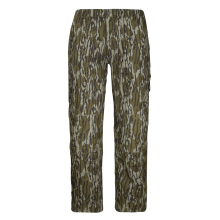
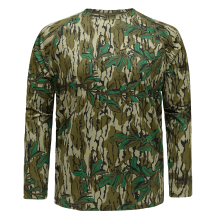
Start with clothing. November temperatures can change considerably between daylight and afternoon. Layering allows you to stay warm during the cold morning hours without overheating when temperatures climb. A quality base layer, insulating mid-layer, and weather resistant outer layer can help manage changing conditions.
Food and water are equally important. Pack enough food to keep your energy levels up throughout the day. High protein snacks, trail mix, and energy bars are easy options that don't require much preparation. Bring plenty of water, too. It's easy to overlook hydration when temperatures are cool, but staying hydrated helps maintain energy and concentration.
A comfortable backpack such as the Bottomland or Fall Foliage Tethrd FAS Pack is a dependable way to organize gear and can also make a long sit more manageable. I can pack my grunt call, range finder, gloves, a tumbler full of coffee, snacks, and much more, all in this pack and always keep it within reach. When saddle hunting, make sure the setup is adjusted before the morning hunt begins. Check ropes, connections, safety equipment, and organize anything you may need so you're not constantly reaching into your pack. The less time spent worrying about being uncomfortable, the more time can be spent watching the woods.
Know When the Wind Makes Midday Worthwhile
Not every November day is worth spending from daylight until dark. Wind direction, weather conditions, and hunting pressure should all factor into that decision. Wind is especially important when hunting close to doe bedding areas. A stand location that looks perfect on a map may become a poor choice if the wind carries scent directly into the cover where deer are bedded. Pay attention to thermals, too. As temperatures change throughout the day, rising and falling air currents can influence how scent travels. I also like to pay attention to changing weather conditions. A cold front, dropping temperatures, or a period of improving weather following an unsettled stretch can make a November hunt more appealing. These conditions don't guarantee deer movement, but they can help determine whether it's worth committing to an all-day sit. However, if the wind is wrong for your stand or hunting area, don't force it. A different spot overlooking a secondary travel route may provide a better opportunity.
Don't Let a Slow Morning Fool You
Perhaps the biggest challenge of an all day November hunt is mental. Sitting in a tree for six or seven hours without seeing a deer can test anyone's patience. It's easy to start second guessing the location, wondering whether deer are moving somewhere else, or thinking about those chicken strips from your favorite restaurant. But the rut doesn't always provide a steady stream of action. There may be long stretches of quiet followed by a brief window when everything happens at once.
A mature buck may appear without warning, moving quickly through the woods with his nose to the ground. You may only have a few seconds to register what you're looking at and prepare for a shot. Stay alert, keep your binoculars handy, and periodically scan beyond your immediate shooting lanes. Bucks cruising during the rut don't always follow the same trails used by does. Sometimes they’ll travel just inside the timber, along the downwind side of a field, or across the top of a ridge. Don't spend the entire afternoon staring at the same opening. Watch the edges, identify potential entry routes, and be prepared for deer to approach from unexpected directions.
The Extra Hours Can Make the Difference
November is a month when deer hunters have to be willing to adapt. The only thing predictable during the rut is that it doesn't follow a schedule, and mature bucks certainly don't move according to one. While morning and evening hunts are still important, the hours between them deserve more attention than many hunters give them. Bucks searching for does, checking bedding areas, and responding to hunting pressure can create opportunities throughout the day. The next time you're hunting during the November rut and that familiar urge to climb down hits around 9:30 or 10:00 a.m., consider staying put. Eat your lunch, take a drink of water, settle back into your setup, and keep hunting.