




Story and Photos by Joseph Richards
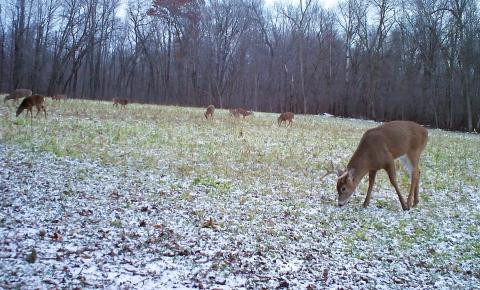
Before the sun crept above the mesquite thicket, a symphony of bobwhites and songbirds declared the morning. I waited for the light to reveal the identity of several dark shapes drifting in front of my camouflaged ground blind. With each passing minute, my heart raced as I could see the hazy outline of a mature whitetail buck from the brush line.
Knowing the amount of light needed for shooting a clear image, I slowly lifted my lens and snapped a single shot of the buck cautiously feeding along the edge. The shutter click caused the weary warrior to jerk his head with ears and eyes cocked in my direction. After a tense and motionless stare down, I could breathe as the buck resumed a relaxed stance.
Glancing at the image on the back of my camera, I saw the scene was bright. I raised my camera’s shutter speed in preparation for anything – a squabble between two rival bucks or the explosive flash of a bobwhite covey darting from cover.
In moments like these, the degree of tension, excitement, skill, care, and knowledge in photographing wildlife is at least equal to, if not exceeding that of hunting.
The pursuit of quality images with a camera is an exciting art and craft, and to successfully photograph elusive wildlife subjects requires a focused hunter’s skillset.
Wildlife Photographers are Hunters
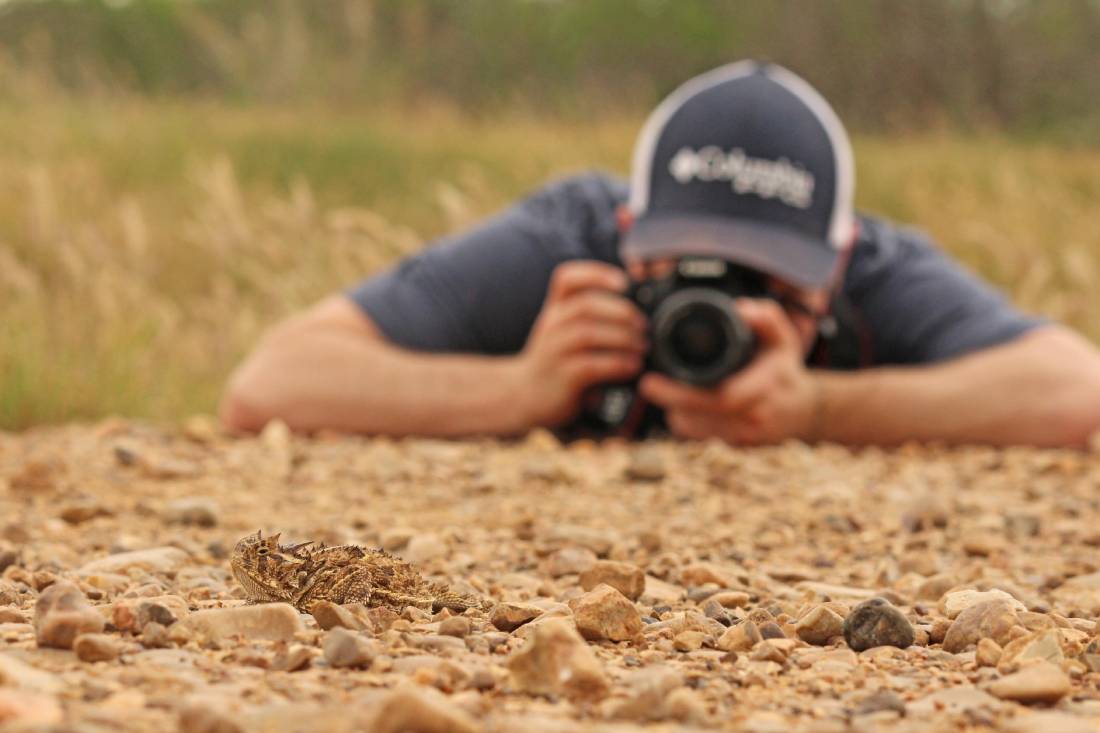
Ever wonder how outdoor photographers capture close-up or dramatic wildlife pictures? Wildlife photographers must master field craft while pairing technical and creative techniques.
Both hunting and wildlife photography take patience, planning and, most importantly, connection with the outdoors. I was raised in an outdoors family that started with hunting as a youth. Although the pattern started with hunting, the result has been a lasting connection to the natural world. Whether you’re a seasoned hunter looking for a new challenge or a newcomer to the outdoor space, picking up a camera can be a rewarding experience.
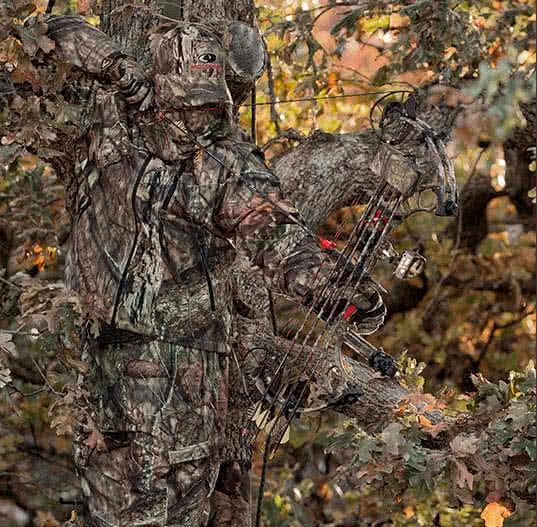
Hunters and wildlife photographers share the same concerns for camouflage, terrain, wind direction, and weather conditions. The ability to move stealthily and remain undetected represents one of the major challenges for hunters and photographers alike. For the hunter, the experience ends with the harvest. In contrast, the photographer must remain undetected for a prolonged period of time. While fooling a wary wild turkey for seconds is an accomplishment, remaining hidden for an hour is an entirely different feat.
To approach or watch wildlife within a close range, either for hunting or photography, requires determination and reading animal behavior (when a buck is on alert versus relaxed). To capture quality images where the subject’s eye is sharp and within focus, the subject must be at a close distance (with the exception of the use of modern telephoto lenses which can break the distance needed).
Photography Elements
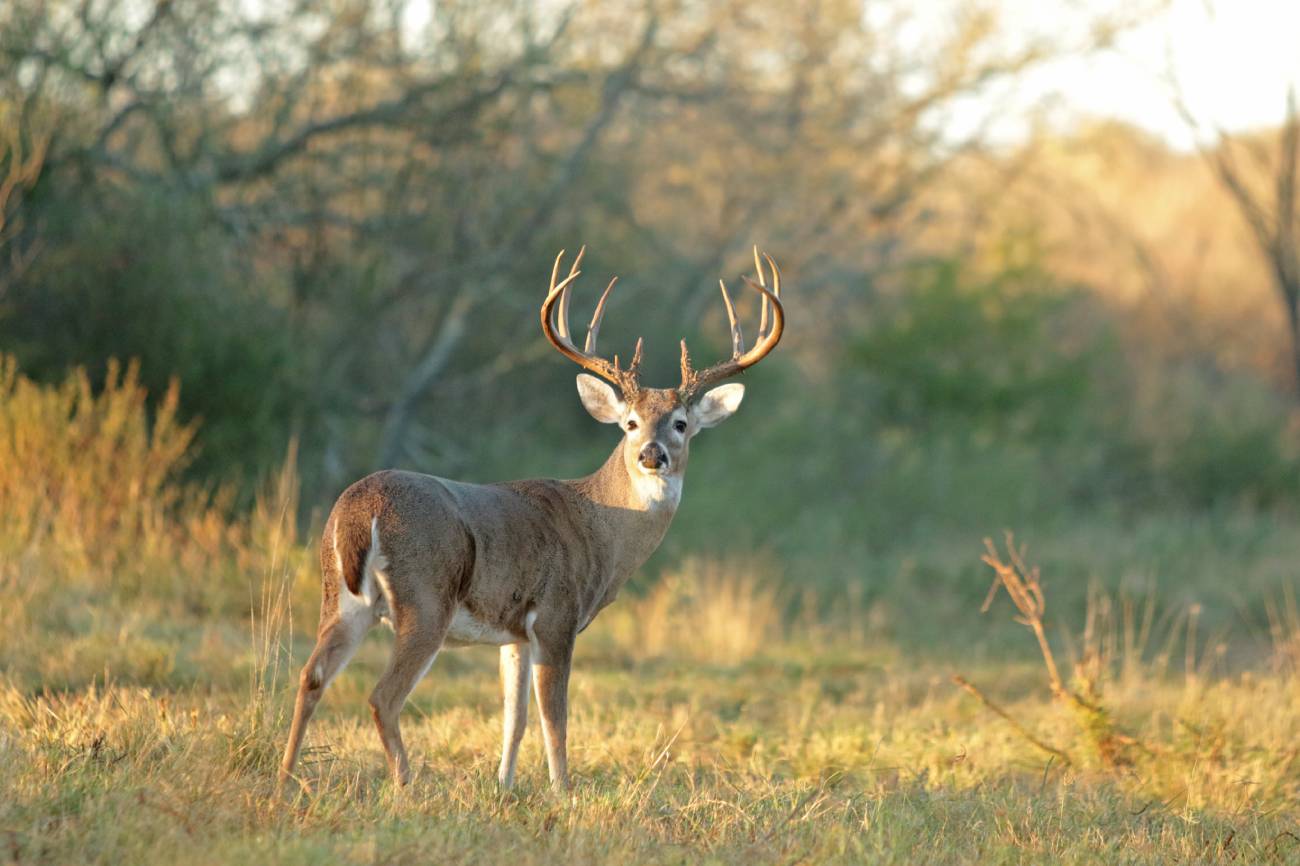
Photographers follow guidelines or “ingredients” for a good foundation for well-composed photos. The technical side incorporates camera settings, equipment, and setup design. The creative or artistic flare comes with experience and learning the foundational, although not rigid, ingredients of taking photos.
Understanding one’s camera equipment and settings is the first step to avoiding repeated disappointments. Today’s modern digital cameras are capable of shooting incredibly high ISO and shutter speed settings for adjusting your camera’s light sensitivity and the length of time of exposures, respectively.
Adapting to changing conditions in the light is a constant priority for photographers. The morning and evening hours are often the best photography times due to the higher animal activity and softer light conditions. Once you know you have a spot where you want to photograph, dedicating time to thinking about how the light will shift throughout the day leads to strategic setups for blind positions. If your goal is to capture skyline or silhouette shots, then the blind should be placed where the subject will be backlit. In areas with thick canopy cover, underexposure can be an issue with inadequate light or dark shadows. Consider using a tripod or monopod to minimize camera movement and alter your camera’s settings for low light conditions.
In addition to technical aspects, photographers should be mindful of compositional awareness or the arrangement of elements in an image. Considering the relationship of background and foreground elements (trees, vegetation, landscapes) can lead to creative or clearer images. Typically, wildlife photographers prefer less “busy” backgrounds, so the subject is clear and focused.
Choosing to include elements of the habitat can provide the viewer with a sense of place and documents how that species interacts or influences its environment. Another method is to “frame the subject” through a natural window in the brush or trees from the foreground creates a dramatic effect.
There are countless elements and ingredients to consider with photography. Spending time to learn the fundamental settings and techniques allows the photographer to craft resonating images that reveal the hidden lives of wildlife subjects while expressing creativity.
Always Learning
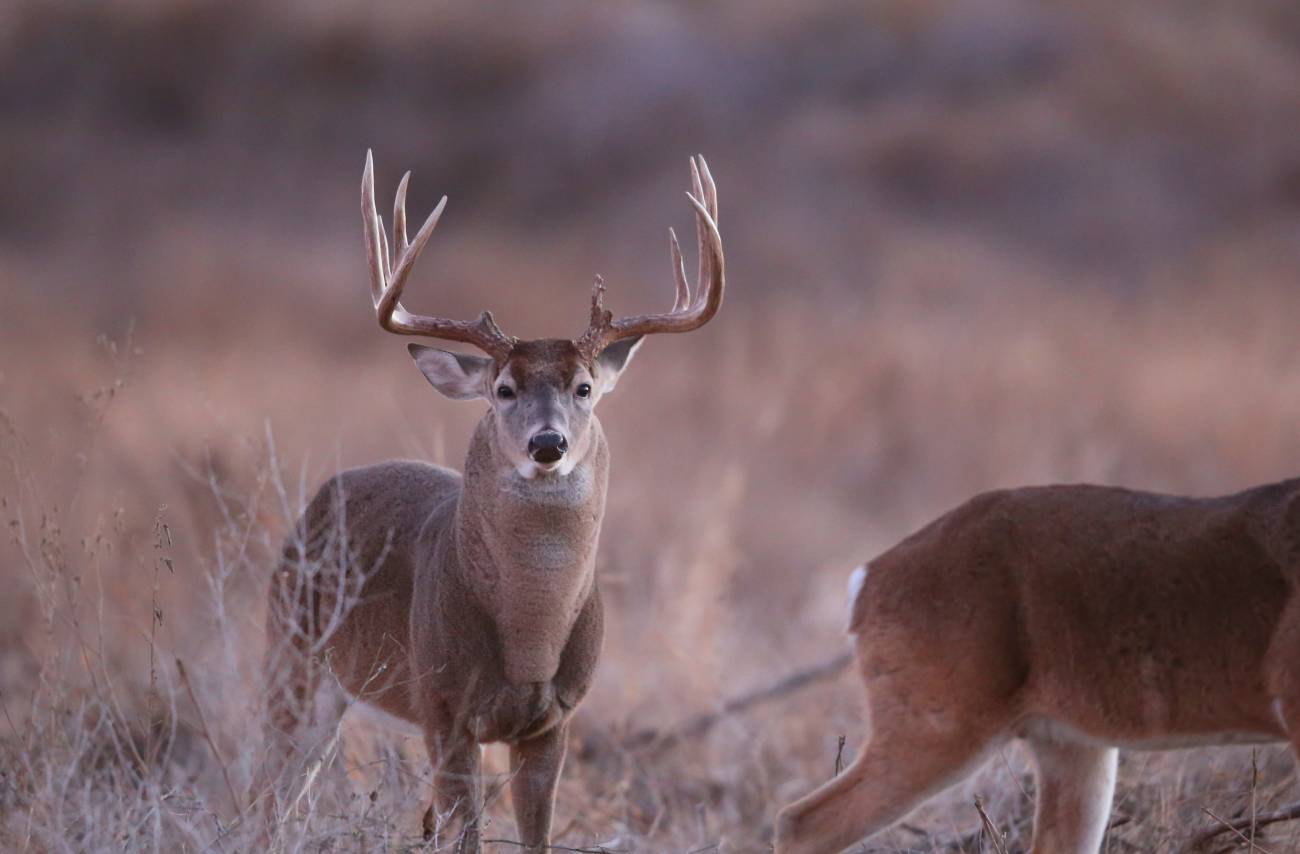
Photographers and hunters are committed students of their crafts. Technology is always improving methods and equipment, and the best practitioners are those constantly educating themselves about new techniques to improve their skills. I learn more in the process of taking photos than any other time, but there are countless online resources and tutorials for exploring before entering the field.
Hunters and photographers also share a collective knowledge of their subject’s habits and behaviors. The dedicated study of a species and their natural history, habitat, ecology, management, and biology is a lifelong journey. I was inspired to capture images of behaviors and features for “assignments” I prescribed myself.
Insights into reading and interpreting animal behavior can help the photographer anticipate the movement or action the animal takes just moments before. Sometimes the perfect shot is a result of pure luck, while some captured moments may only be achieved if you know what signs to watch for.
Lending oneself to learning everything about a species also lets one become an eloquent spokesman for its conservation and stewardship. The more I learned about my subjects, the more I cared and wanted to share my experience with others.
Inspiring Photography
Whether carrying a rifle or a camera, both hunting and wildlife photography offer many of the same rewards—challenge, excitement, and a deeper appreciation for the outdoors.
My biggest piece of advice is to take your camera afield at all times. Photography is a form of hunting where anyone can experience fulfillment and appreciation for the natural world. With every species and landscape as a potential canvas, there are unlimited possibilities and no restrictive seasons with photography.