




Ken Johnson
Trees Provide a Readily Available Resource
North America is home to literally hundreds of common trees that have provided both nutrition and survival resources to indigenous people, pioneers, and rural communities for centuries. The list is much too long for an article this size to adequately cover. So, I have limited this piece to five familiar species which, in my opinion, are examples of the most useful and accessible varieties. Each was chosen because of its extensive range. Each is easy to identify, completely safe if processed properly, and multi-functional.
Trees For Year-Round Food and Medicine
Warm weather with its extended daylight and regular rainfall is a time of renewal and growth for the landscape. Roadsides and disturbed areas become beds of tender greens for spring salads and teas. Damp, low lying, areas offer fresh, new sprouts to steam or sauté. Emerging bramble-buds hint at the potential for delicious summer berries.
But as wild plants mature and bolt (flower), many produce compounds that render them bitter tasting and tough. Insects and diseases also take a toll. At best, seasonal plants may only thrive for a few weeks or months. So, when the plants a forager normally collects are no longer available because they have somehow become depleted, or have maybe gotten covered with snow, alternative resources must be found. Trees afford a continuous, dependable resource throughout the year.
Tree Identification and Safe Harvesting
As with all foraging endeavors, there are certain safety precautions to be observed. Proper identification is key, so I always recommend carrying at least one reliable field guide. Keep in mind, too, that for trees to be useful year-round assets, you must be able to identify them in all seasons. That may require you to broaden your research.
App-assisted identifications may suffice for a quick check but never bet your well-being on one. I recommend that you only use an app-ID as your starting point. Then compare those findings to your field guide or ask a knowledgeable forager friend. But do not harvest from trees that you are unsure of…. period.
And while you are learning about trees, pay particular attention to their useful parts and how those should be processed. For example, acorns are a nutrient-rich, calorie dense staple IF the toxic tannins that cause digestive issues have been appropriately removed.
Finally, practice processing your harvest at home in small quantities. That will not only allow you to perfect some favorite dishes, but it will also help you gauge how your own body will tolerate the foraged produce.
Trees That Can Be Used for Survival
Here is the list of five useful trees that I previously mentioned. This list is by no means complete. However, the species sited here are believed to represent some of the finest examples of plants that can be used for both survival food and medicine:
Pine (Pinus)
The pine family can be divided into roughly two major categories which separate the white and red varieties. Though most pines share similar qualities, it is the white pine that is thought to be the best tasting and most nourishing. For identification purposes, white pine needles grow in tight bundles of five and the inner bark is white as opposed to some other pines.
- Inner bark (cambium) is edible raw or cooked and can be processed into flour or used as a flour extender. Best if blended with other foods.
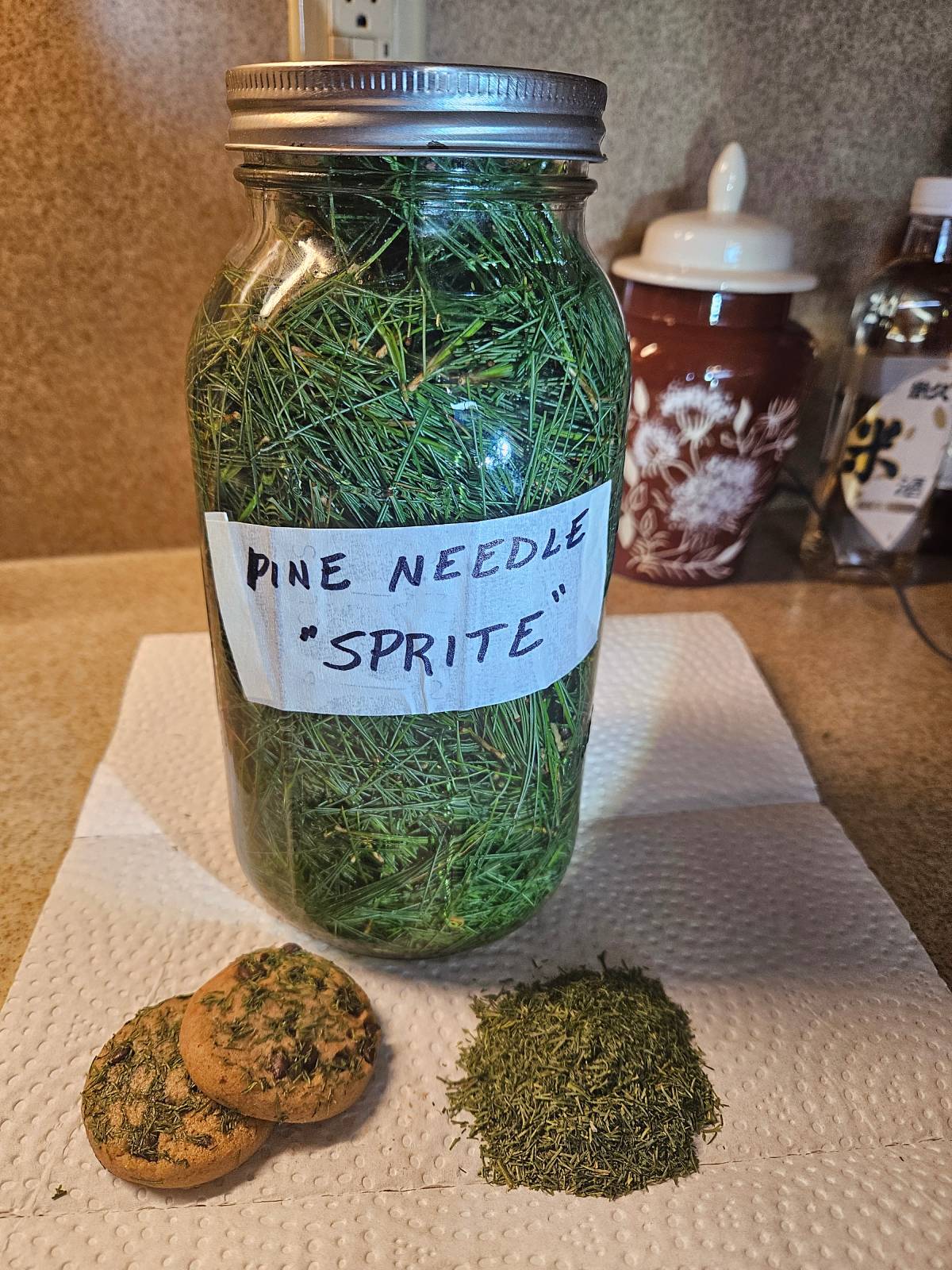
- Needles can make a vitamin C-rich tea or can be mixed with sugar and aged for several days in a Mason jar to brew a bushcraft beverage. The dried needles can also be diced or powdered and added to cookie mixes for a vitamin enhanced snack.
- Resin can be used as an antiseptic, a glue, a fire starter, or to pack a bad tooth in an emergency.
- Wood burns fast and hot. Needles, bark, and sap are excellent fire starters.
Black Walnut (Juglans nigra)
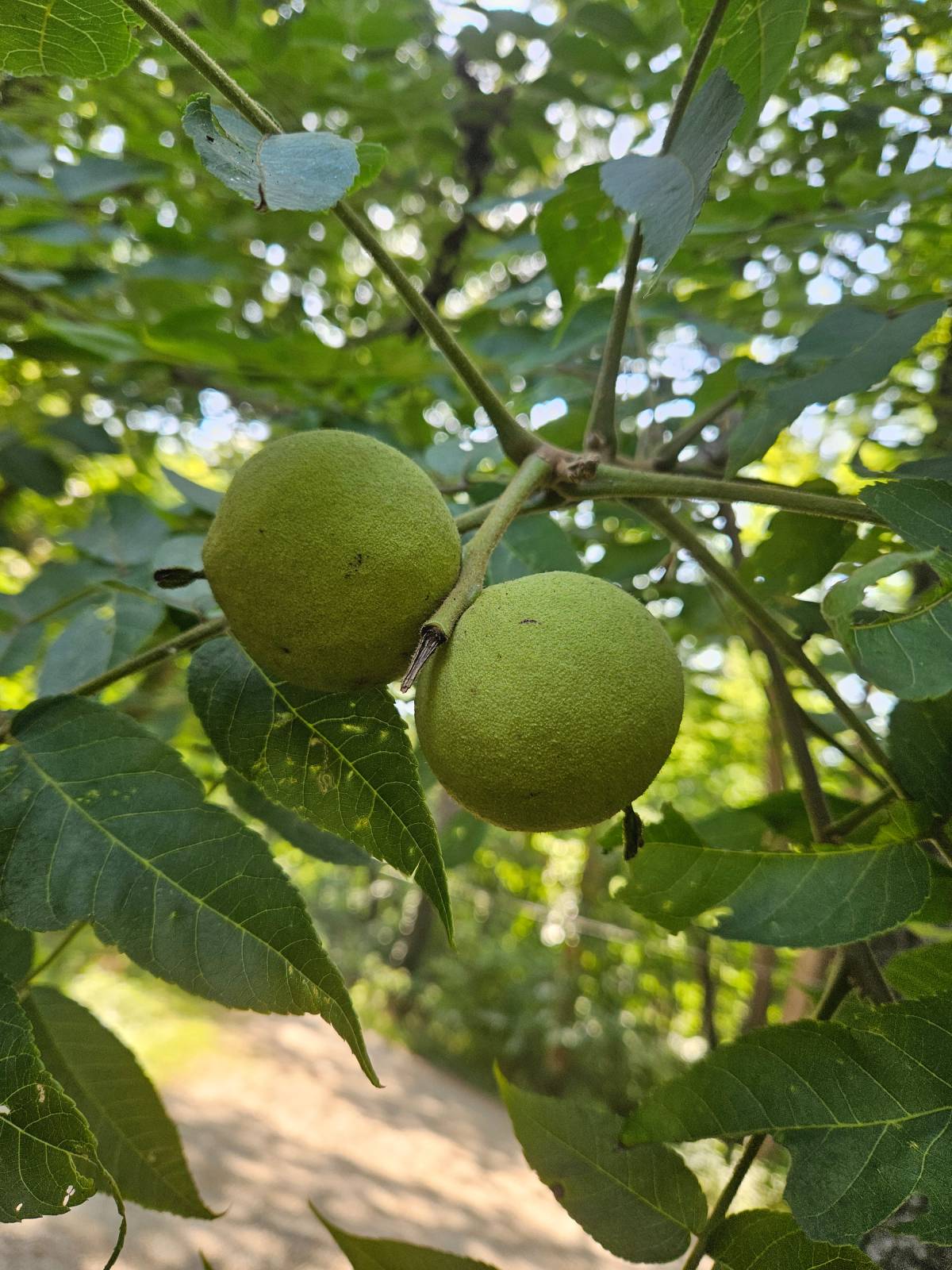
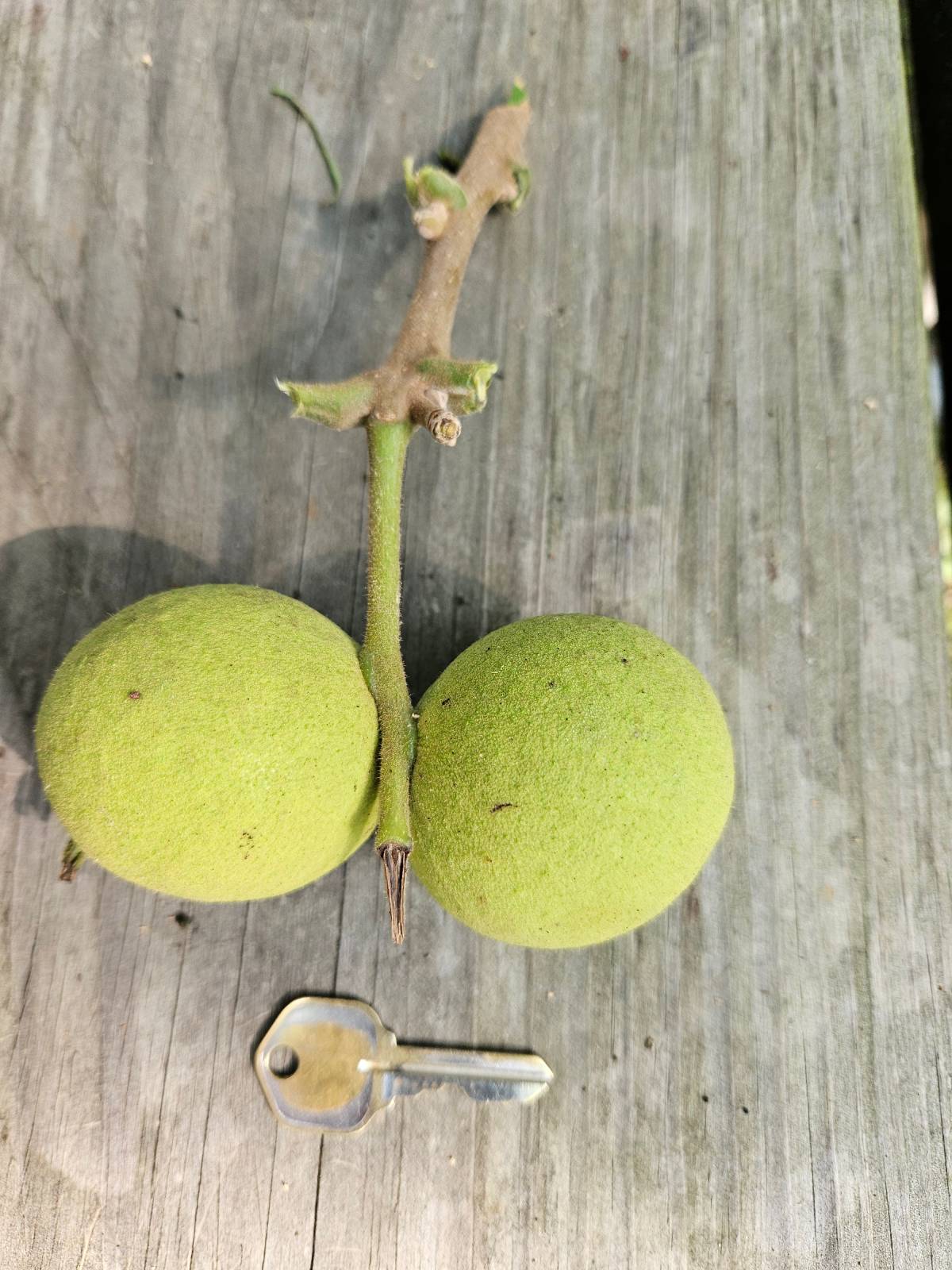
The black walnut is a powerhouse producer of medicine. The leaves are full of astringent tannins that can be made into an infusion(tea) and used as a wash to treat rashes like poison ivy. The hulls contain a natural iodine that is antiseptic, anti-bacterial, and antifungal.
- Nuts are high in protein and healthy fats.
- Oil from nuts can be processed for cooking.
- Dye from the iodine in can be used to color traps, fabrics, and leather.
- Wood is strong for tools, shelter, and furniture.
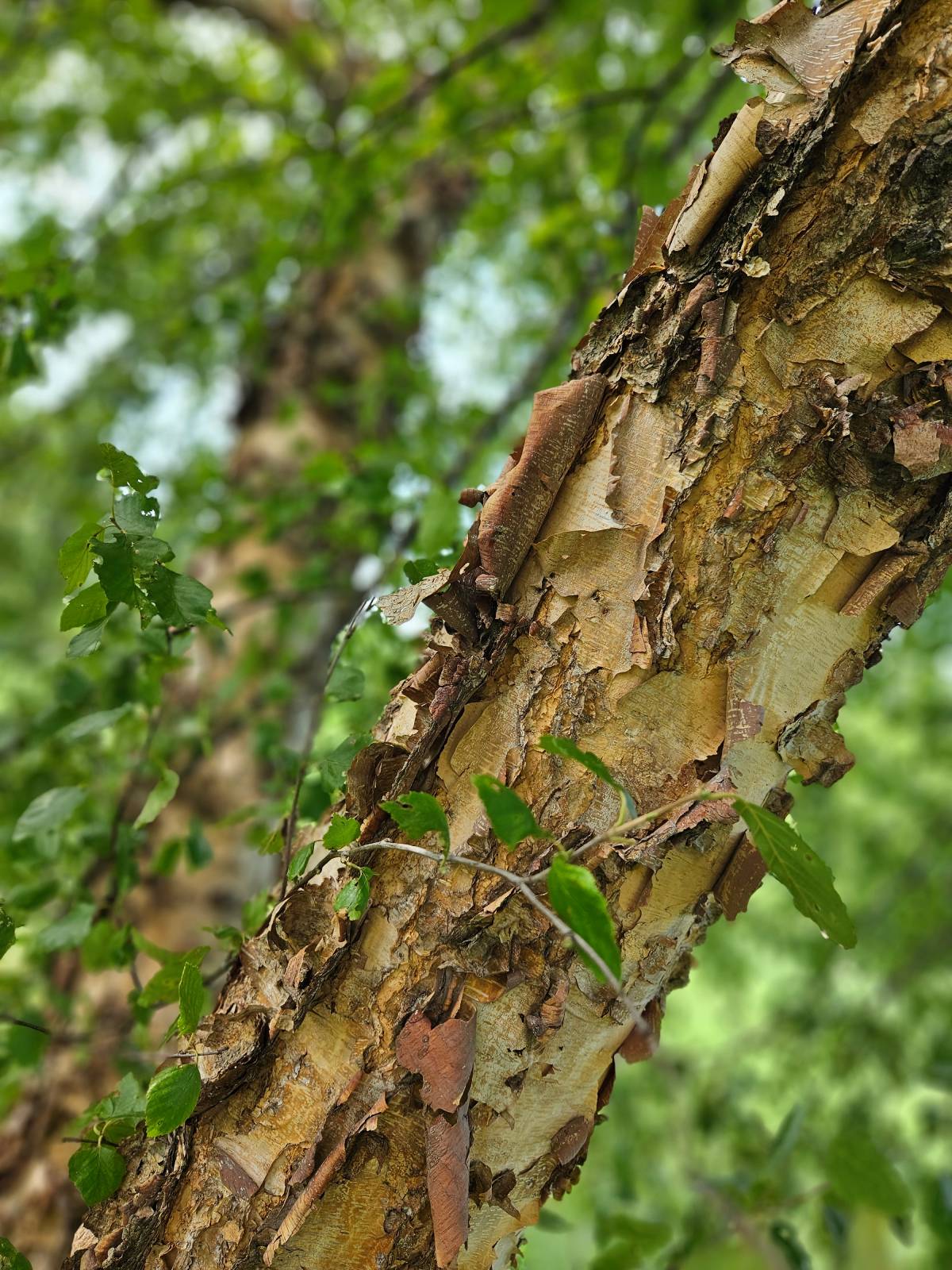
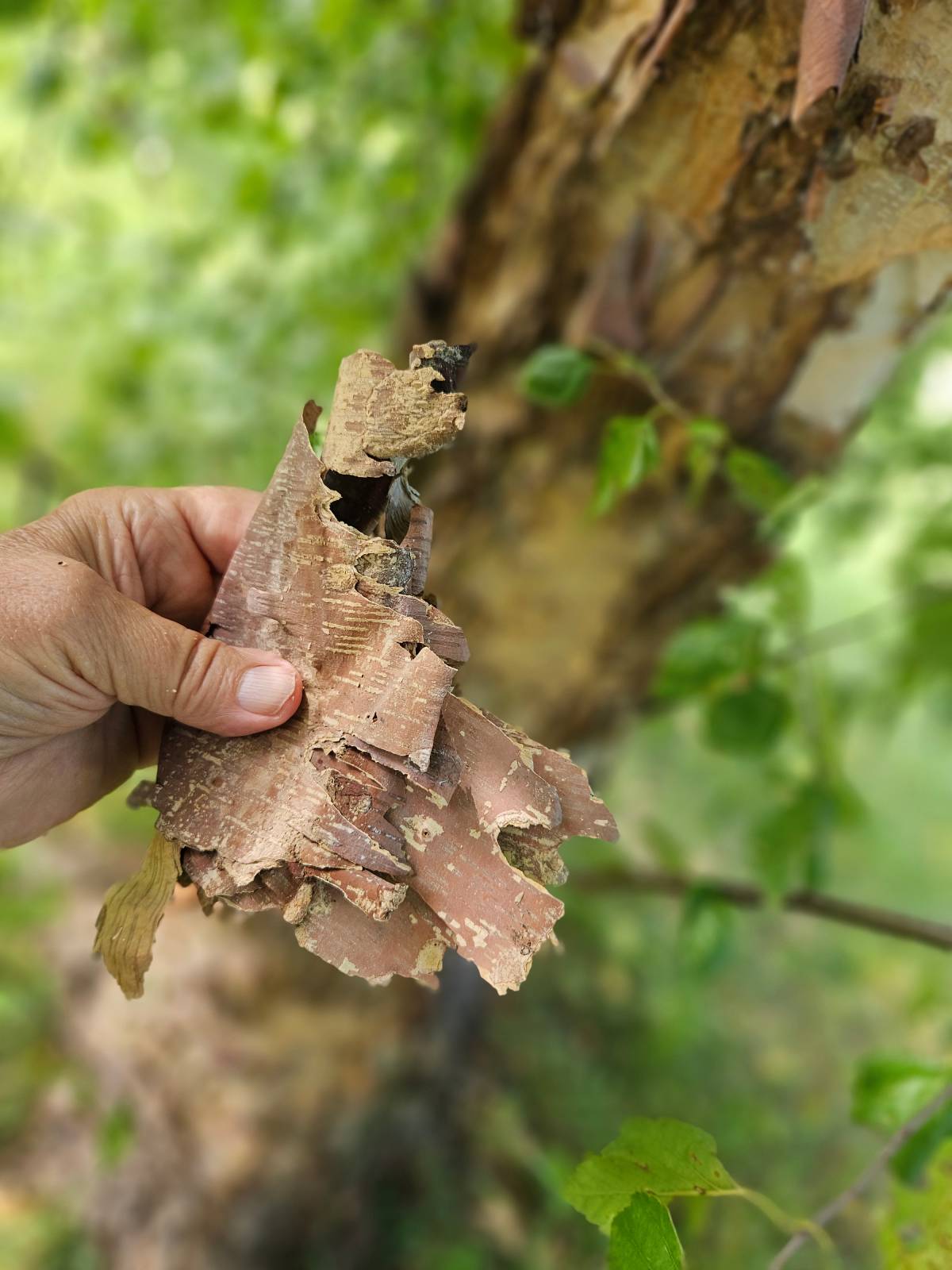
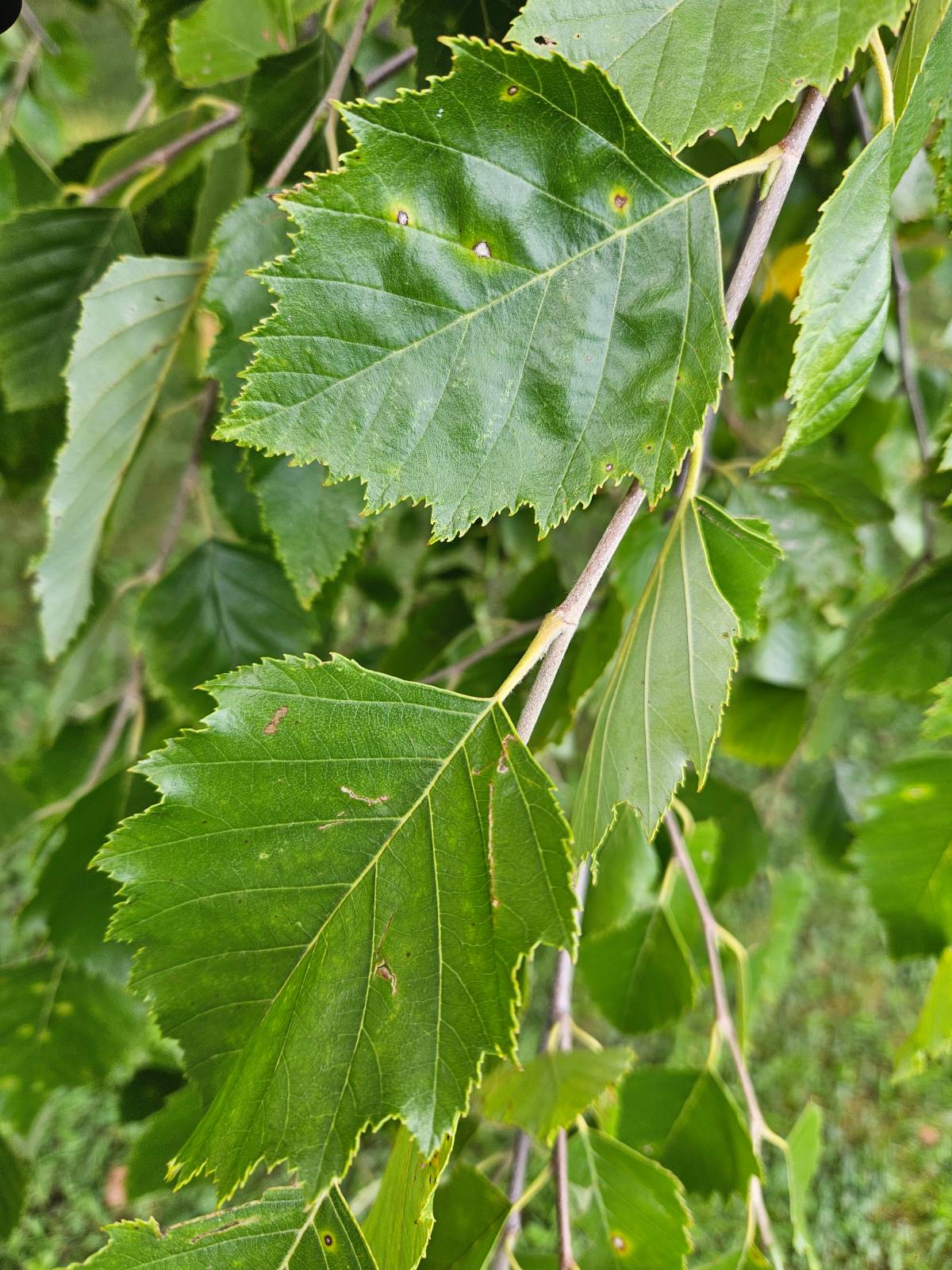
Birch (Betula)
There are numerous birch species and they all act as indicators of nearby water. The wood grain is typically straight making birch an excellent choice for doors, planks, tables, and shelters.
- Sap flows easily between March and May and consists of a nutrient-rich drink that some call nature’s Gatorade.
- Leaves and twigs can be brewed into a tea containing the aspirin-compound salicin which is good for treating inflammation and minor pain.
- Inner bark can be processed and used either as flour or a flour extender.
- Bark is excellent for fire-starting, even when wet. The shredded bark full of volatile oils will easily ignite using a ferrocerium rod or open flame.
- Wood grain is typically straight making it suitable for doors, planks, tables, and shelters. Makes a bright fire with a pleasant aroma.
Maple (Acer)
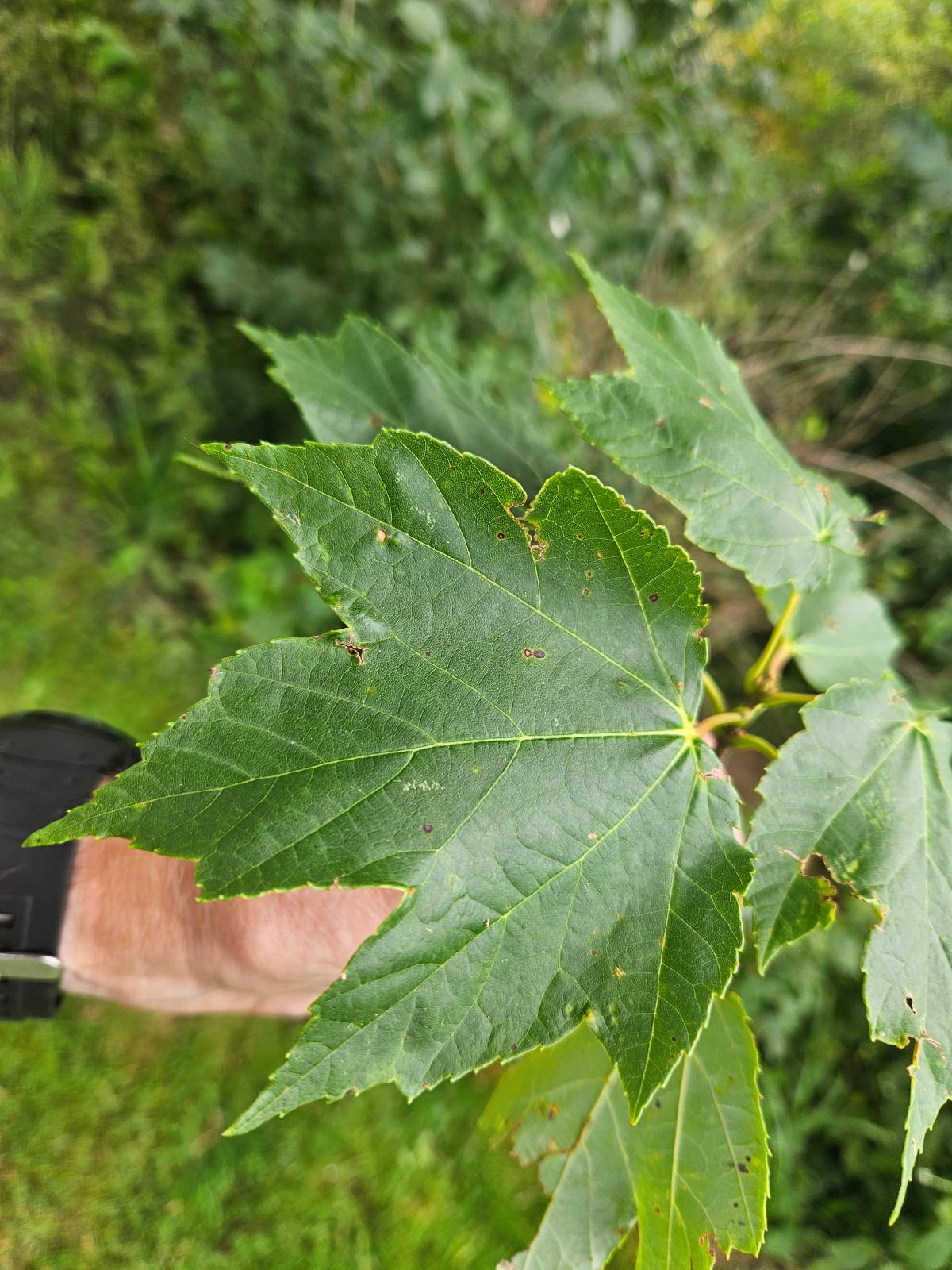
Maple’s grain and density make it popular for bow saw and custom knife handles. All maples produce syrup.
- Sap can be gathered in late winter and boiled down into syrup.
- Leaves can be eaten raw in early spring. Mature leaves can be used medicinally on wounds.
- Seeds can be boiled and roasted.
- Wood is strong for tools, handles, bows, and shelters. Burns hot and clean.
Willow (Salix)
Willows are another water-loving tree, so one’s presence is a good indicator that a water source is close.
- Bark contains the compound salicin, useful for pain and inflammation.
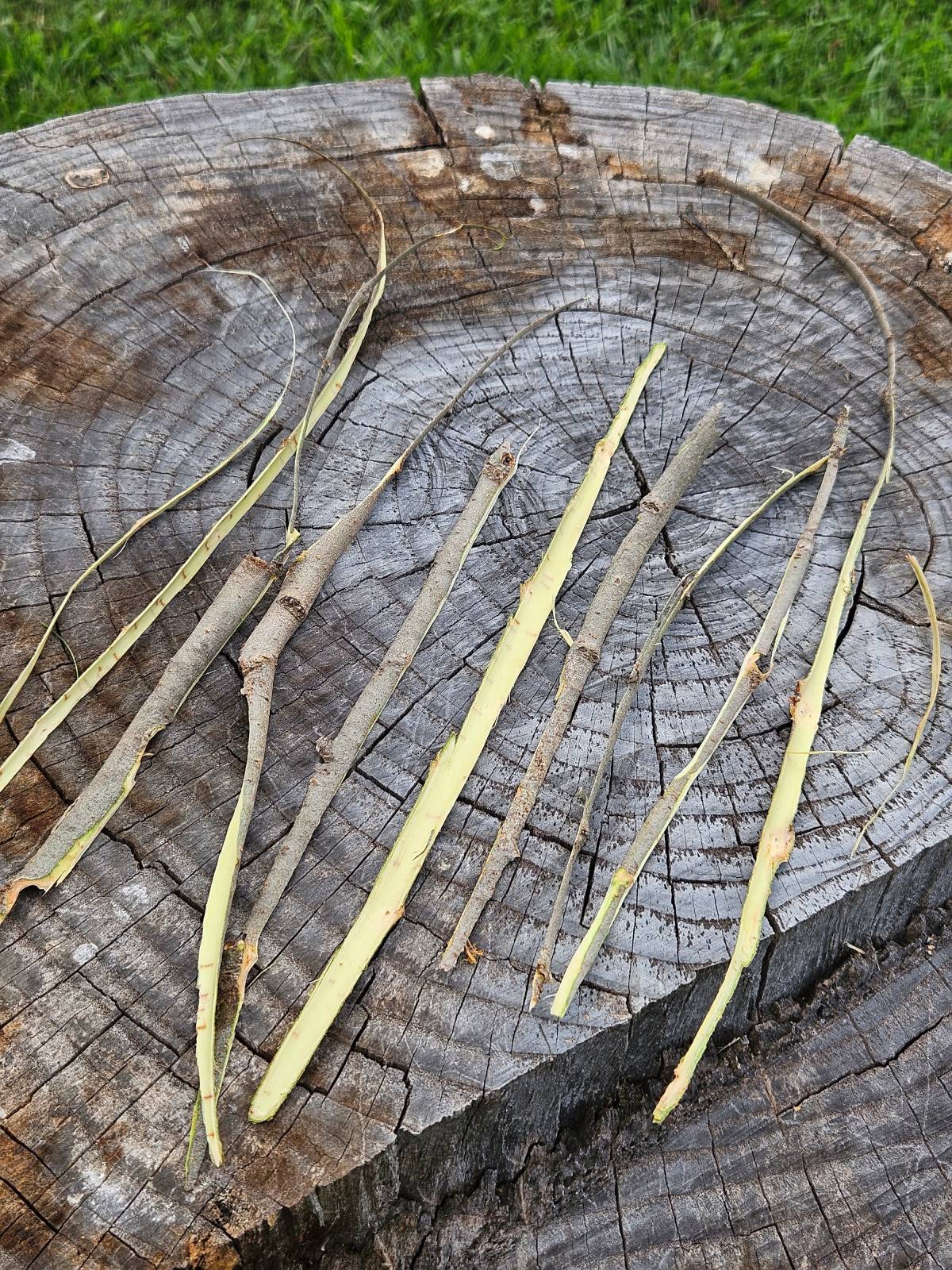
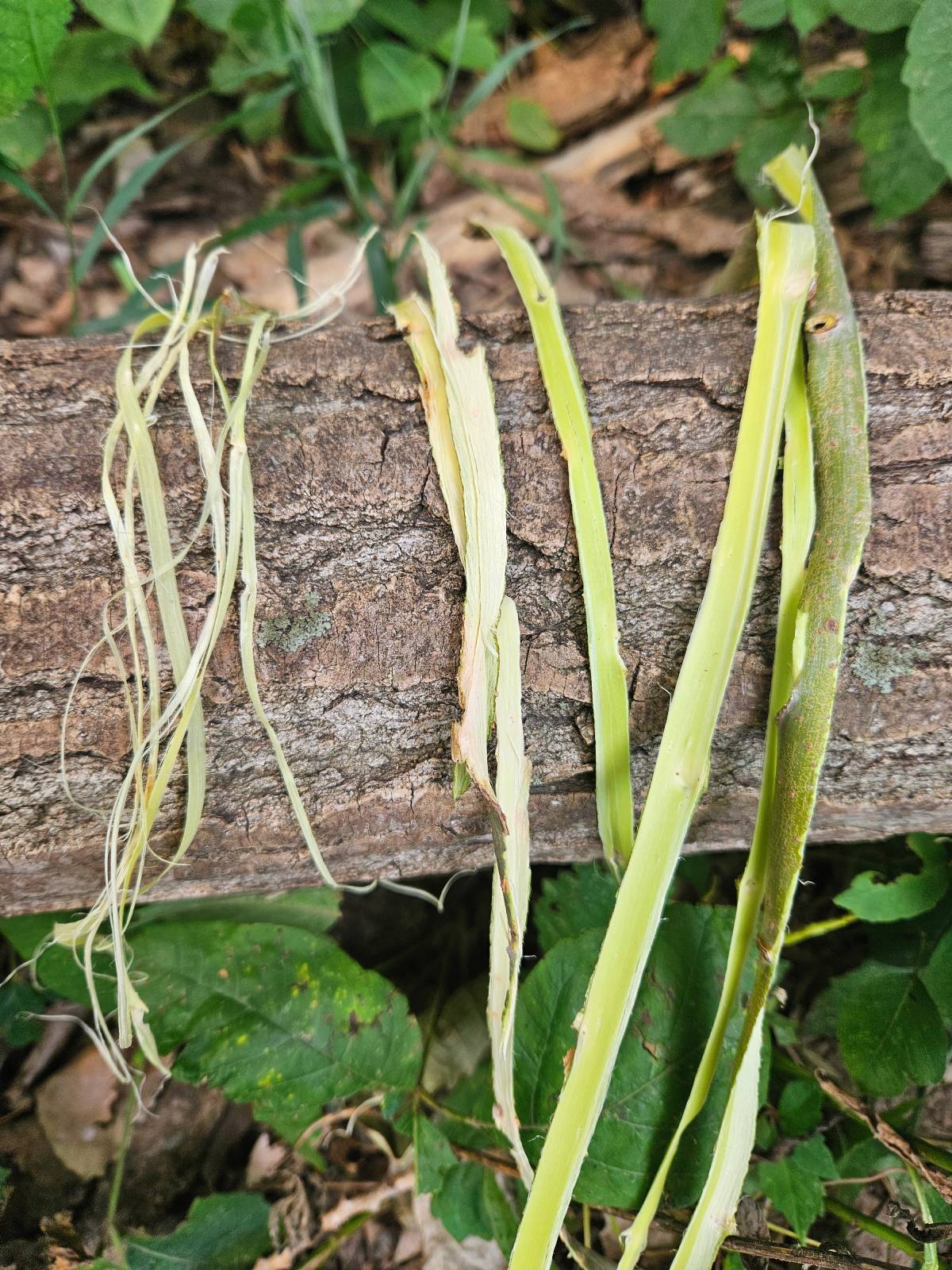
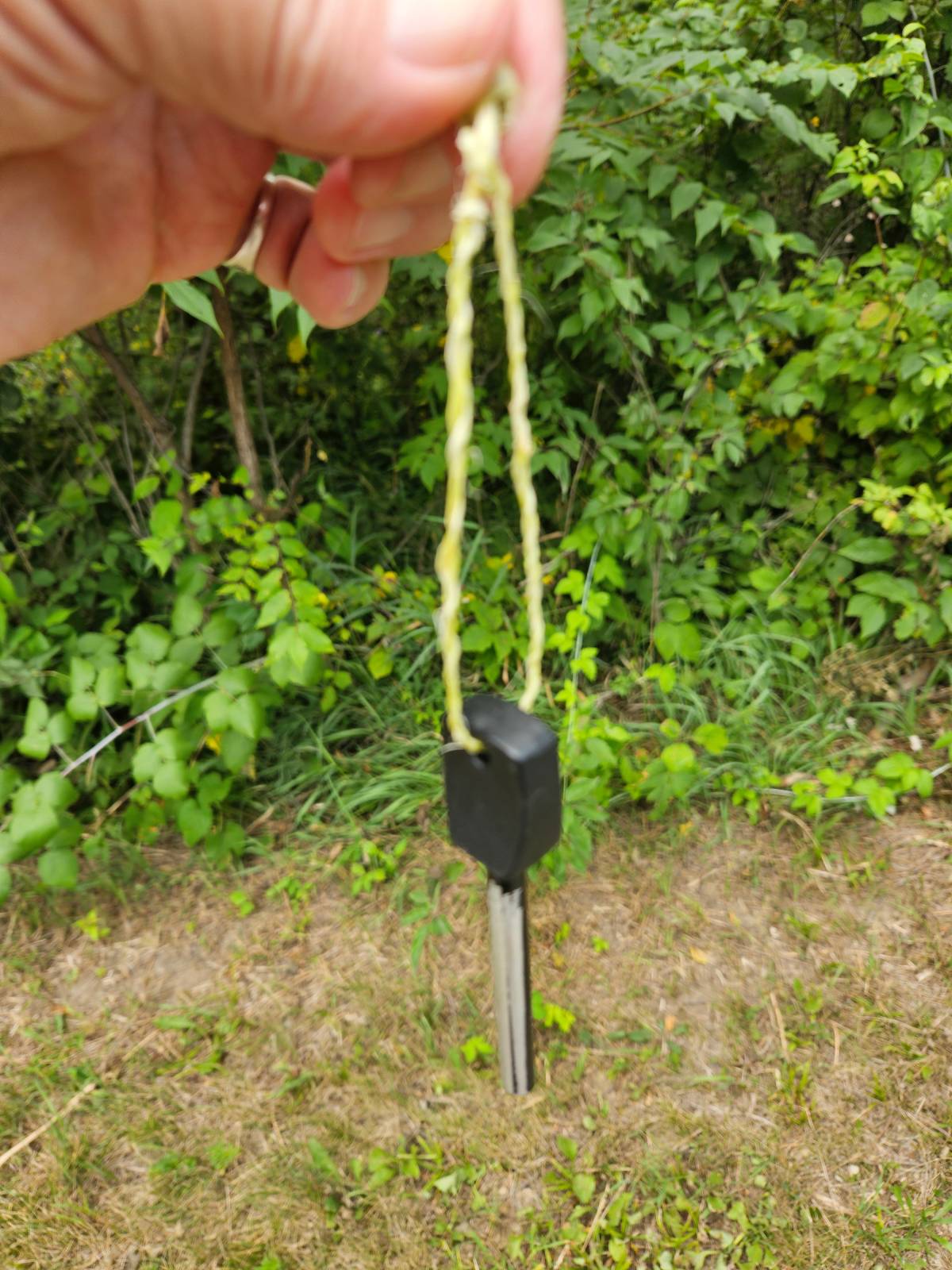
- Inner bark makes a passable cordage.
- Flexible branches are good for weaving baskets or shelters.
- Soft wood is excellent for carving and crafting bow drills to start fires.
So, whether one is facing a food emergency where life-saving sustenance is urgently needed, planning for a long-term stint off-grid, or simply attempting to become a more informed forager, look to the trees. Trees afford a continuous resource throughout the year, offering visual interest, ecological benefits, and practical value by providing food, medicine, shelter, and critical fire-making materials for every season.