
Paul Annear
In the last decade or so, forest management has taken center stage for dedicated deer hunters. Forest and timber management articles and videos flood YouTube and social media feeds, but few tackle the question of whether logging and whitetail habitat management can co-exist.
The answer? A resounding, yes. Deer make a living from 5 feet to ground level, and thoughtful logging techniques built to intentionally create different levels of growth can and should be at the forefront of your whitetail habitat management plan. For my details, I asked two forest experts how logging compliments forest management.
Clear Goals in Logging and Whitetail Management
The saying, “a failure to plan, is a plan to fail” rings true in logging and any deer management project. The first step to allowing logging and habitat management to work in unison is by having a plan in mind. Like a real one, write it down. You will encounter less distractions while in the woods and accomplish more. This is true of long-term plans as well.
If you’re not familiar with logging projects and don’t have personal connections to someone in the field, I would highly encourage you to work with a private or state forester before beginning your project. Request information on their background and ask for landowner references. Also ask for connections to trusted loggers they know of in the area.
Wyatt Seep is the owner of Old Northwest Timber and Habitat in Southwest Wisconsin. He completes a variety of logging and habitat projects catered to the desire of the landowner.
He told me “Not having a plan beforehand trickle into many major issues downstream. Oftentimes, a landowner will watch a YouTube video or read an article, get really excited about creating deer habitat, then they’ll call a logger and have them cut whatever they want to, with the only instruction being to “make a mess.” This type of harvesting is good for habitat in the short term, but it can come with many complications down the road.”
Throughout the logging process, regular communication is critical. You should also be familiar with the logger’s business or have trustworthy referrals at minimum. Hiring a logger and never checking in or walking the site is a recipe for miscommunication or mismanagement on someone’s part. Do your research, make a plan.
Does Logging Have a Bad Reputation?
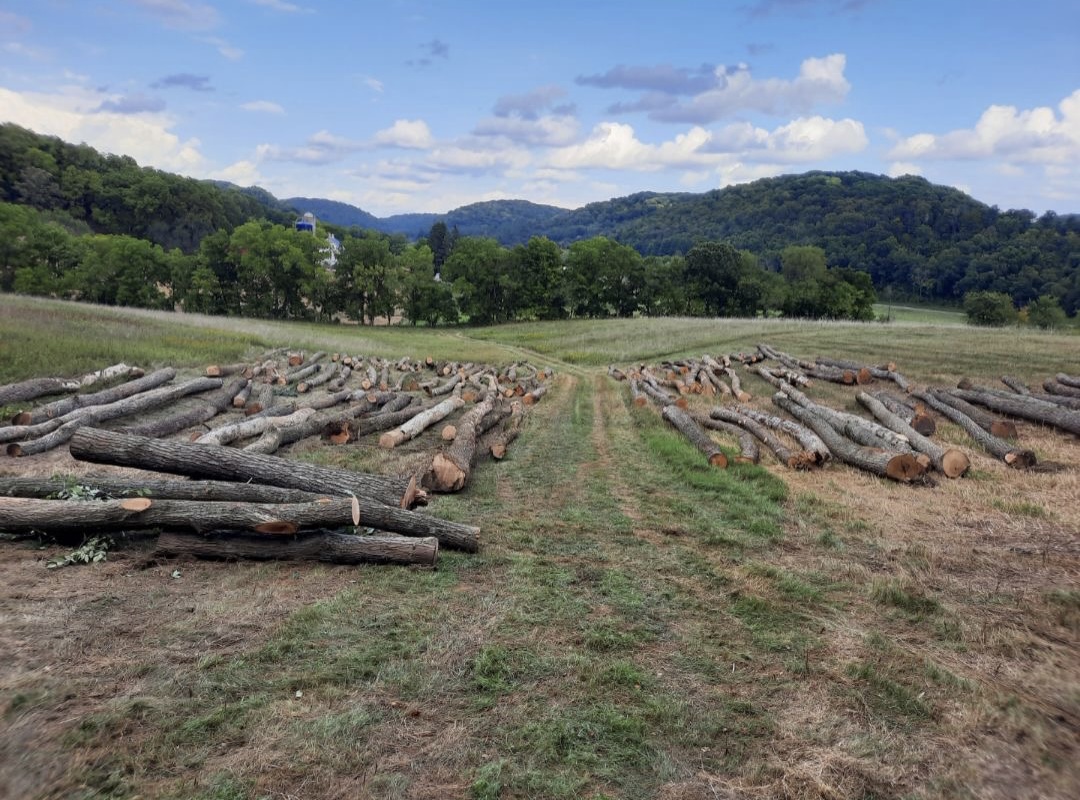
A quick Google search of “should you have logging done in your woods” results in articles written with strong emotion regarding logging and forest management from a wide range of perspectives. I think it’s a good thing logging conjures up some strong emotions, it means people care about their forest.
Logging can be viewed through many different lenses depending on a person’s experiences or views on logging projects. If you scroll the internet for just a short while, you will see hundreds of articles and videos both bashing and praising logging. Some landowners experience a “take the best and leave the rest” result when they don’t prepare and do their research to hire qualified people for their project.
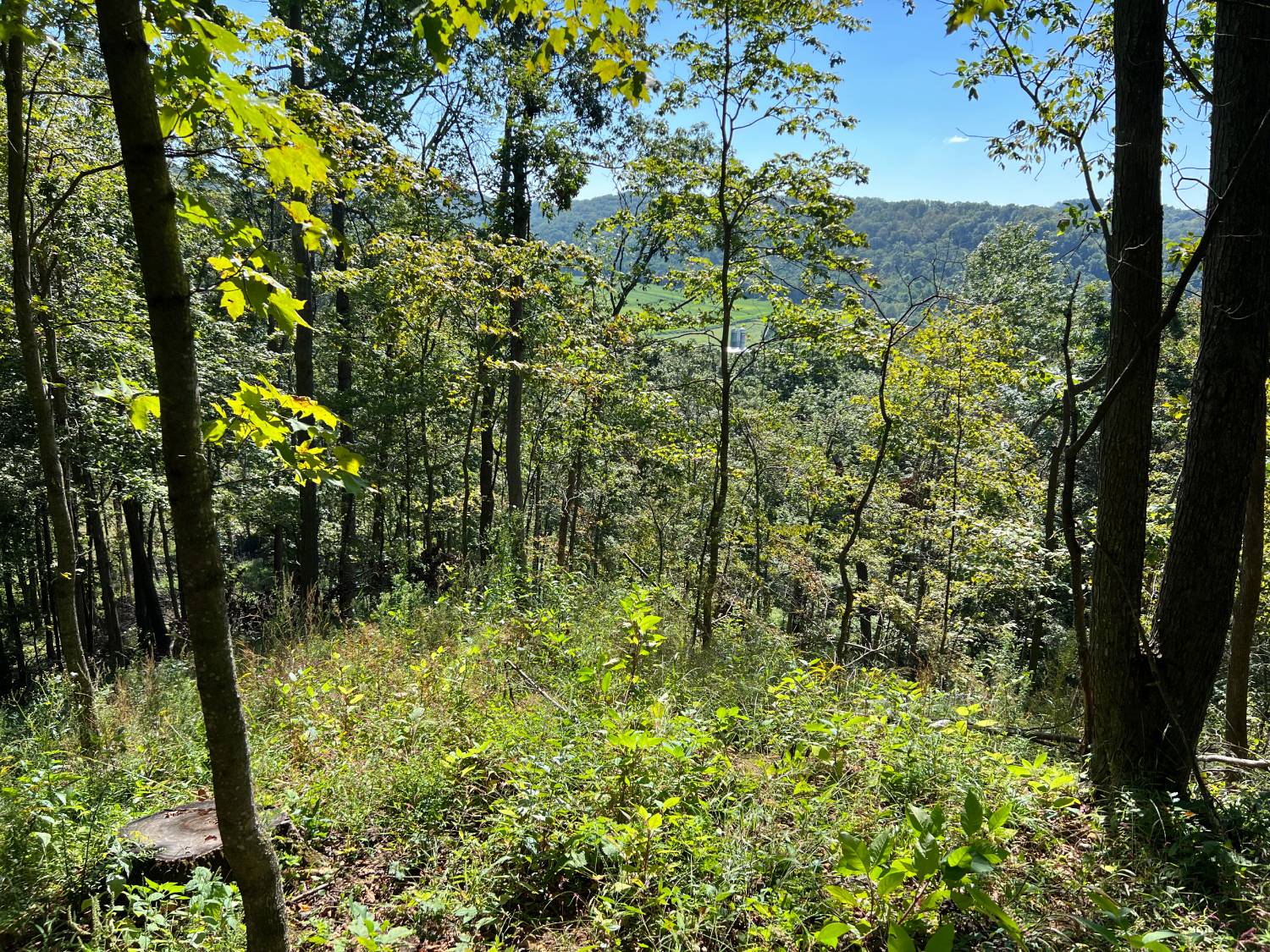
Seep told me, “The way I manage timber and wildlife habitat together is by utilizing uneven-aged timber management as often as possible. This method of management is implemented by harvesting patches or groups of trees throughout a property, rather than the whole thing all at once. This ends up creating sort of a “Swiss cheese” look to the timber, which puts a land-manager in a position to be able to harvest less timber, more frequently. This ensures that you always have some young forest habitat at all times yet still focusing on growing the next age-class of high-quality, merchantable timber.”
A lot of people think of logging as a single-aged system of thinning or clearcuts. Some landowners are income motivated, others may be looking to only take certain trees, and a whole different group has a very specific purpose like using logging as a means for improving deer and animal habitat.
Ethan Tapper is author of the book How to Love a Forest and is an accomplished forester from Vermont. Tapper said, “Many still view logging as this negative practice – that it’s only about how we extract a resource from the forests, but logging is a really important management tool, and it can help forests be better habitat for a wide range of different species including whitetail deer.”
Many forests benefit greatly from a proper logging process, so we shouldn’t generalize the term “logging” and place every logger under that umbrella term that may conjure up negative thoughts about loggers. There are countless strategies and specific forestry techniques experienced loggers can implement to improve your woods and increase deer habitat.
“We fall prey to viewing logging as this descriptive term for all the different types of really complex and nuanced management that can result from logging. Logging can be used in very profound and important ways. Logging can help forests heal. It can help young stands develop into older stands faster. Logging can increase the proportion of mast-producing trees like white and red oak. It can help restore habitats that have been lost—eco Ecosystems like oak savannas and grasslands”, Tapper said.
Modern culture and uninformed keyboard warriors like to blame logging for a lot of different climate and ecosystem health issues, but sometimes logging is the right choice that benefits the forest and a whole host of animal species like birds.
Why Logging Enhances Your Deer Management Practices
After identifying a clear vision and aligning professionals on your side, your logging project and whitetail habitat management goals are ready to take shape. Aside from fattening your wallet, most whitetail hunters want results that will help their chances at holding mature deer.
Hunters want to encourage early successional growth, enhance or create new bedding, release crop trees like oaks, and promote edge habitat. I’d go on and list the goals of a timber or forest stand improvement project, but they’re virtually the same as logging.
Before undertaking any forest management strategy, you should do your best to remove invasive species. If you don’t control invasive non-native plants and shrubs before cutting, opening the canopy via logging or timber stand improvement will only encourage their spread and vigorous growth.
When working alongside deer-centric clients, Wyatt Seep takes a slightly different approach than someone only interested in timber value. To provide more value to the landowner, a more specific application of logging is practiced.
He said, “Harvest location becomes important. For example, placing a patch harvest in an area high on a hill with southern exposure will create excellent deer bedding for the next decade, instead of using only basal area or timber quality to determine where a regeneration patch should be located.”
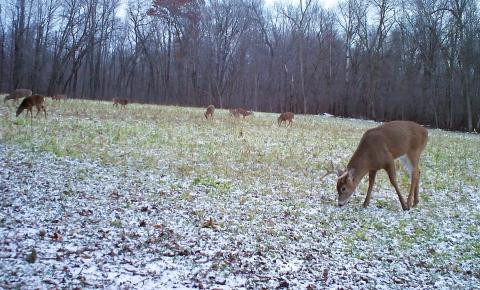
A goal of many deer hunters is to create thick growth that hides deer at 5ft and lower. Early successional habitat and uneven forest age structures creates natural browse, bedding cover, and natural edge transition zones. Logging can enhance these features for deer.
Tapper said, “I talk to people in different ways about forestry all the time - just depending on what their values are. I don’t meet many people who are solely income driven. That doesn’t mean we tell them a different management strategy, but we can talk about good forest management and good forest stewardship in terms of the deer habitat we can create."
More Work to Be Done
After logging is completed on your property, you’ll want to get your hands dirty and take advantage of what your logging project has provided. It will take a little work to finish manipulating habitat for hunting purposes though. Loggers may have created some large openings in the canopy, so perhaps these areas could be future food plots.
Logging can force you to get out there and complete the Timber Stand Improvement projects you otherwise may not have completed. Dive into areas of your property and work off what the loggers have already completed for you.
Seep told me, “Focus on TSI along trails and corridors that may connect one harvest patch (from logging) to the next, allowing horizontal cover to grow up in those areas until the canopy closes again.”
It’s likely you will find leftover treetops that could be moved with equipment. Use these treetops to wall-off a food plot or direct deer travel around or to a certain area. If you’re in an oak forest and attempting to regenerate oak species, keep your treetops where the tree dropped acorns. Young oaks will grow and stay relatively hidden from deer within these tree tops.
I think this article as proven that logging can absolutely work in harmony with other forestry techniques to improve deer habitat. It takes patience, a clear plan, and a logger who understands your focus is on improving your forest with whitetails in mind. Being upfront with your goals and expectations is critical for a great result.