




Heath Wood
If you ask a turkey hunter why they prefer turkey hunting in the spring, compared to fall hunting, many will have the same response. The spring woods are loud with many different versions of the wild turkey vocabulary. Often, turkey hunters love to call aggressively, getting that ol’ tom fired up, so that he keeps gobbling. The spring woods are the time to get vocal with your calls, until it’s not.
By the time midseason rolls around, especially on public land, gobblers have heard it all. Yelps, cutts, and aggressive calling have educated them. They’ve seen decoys that didn’t quite look right and hunters that moved too much. This is when turkeys become harder to hunt and less vocal.
For some reason, when you now make a call, the woods go quiet. You know that boss tom gobbler is close by, but he is also playing the quiet game. When this happens, the hunters who adapt are the ones still punching tags. This is the art of killing gobblers without a single yelp.

How Silence Works
Turkeys are not the stupid birds that many think they are; they actually pay attention to what a hunter does every day. On heavily hunted ground, those patterns often involve hunters calling too much, too loudly, and from the wrong places. Late season gobblers, especially older birds, become wary of sounds. Silence from a turkey hunter often flips the advantage back to the hunter. Instead of trying to convince a gobbler to come to you, position yourself where the tom already wants to go. No or minimal calling means no mistakes in tone, cadence, or volume. It also eliminates the risk of pinpointing your exact location. This silence can help you pinpoint a gobbler.
Scouting Becomes Everything
When you take calling out of the equation, scouting becomes your greatest weapon. First, it starts with patterning without interaction. I have to keep my calling to a minimum even when scouting. For example, when listening for gobbling birds before the season as a scouting tactic, I often would blow an owl hooter ten times, then couldn’t resist the urge to pull out a mouth call or a pot call and call just once.
As I have matured as a turkey hunter over the years, I have realized that you can gain more valuable data by staying quiet and listening to what the turkeys are doing naturally, rather than hurriedly revealing what I sound like when I am trying to locate them and call to them before the season even begins. When scouting, you’re not trying to strike birds with calls, you’re learning their daily routine. Where they roost, where they pitch down, travel routes between feeding and strutting zones, and where they hang out midday are all things that you can observe before the season, without making a single call.
Before the season, look for fresh tracks in soft ground, such as roadways and around ponds. Also, look for droppings along logging roads or field edges. This can help determine where turkeys roost and where they go throughout the day. To help find strut zones or where the gobblers are strutting for hens, look for strut marks (drag lines from wing tips) on roadways and in any low grass or dirt areas.
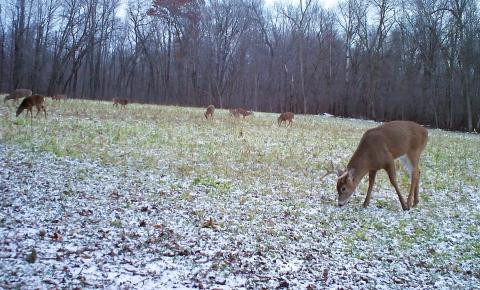
Trail cameras can be extremely valuable here, especially set up on field edges or pinch points. In recent months, I have kept three or four cellular cameras running on my property along natural travel routes turkeys use each year. In the past month, I have monitored toms strutting, hens traveling mid-morning, and groups of jakes trying to ease their way into the same areas. All of this gives me intel, without making any calls.
Listening still matters. Even though you are not making any calls, you still need to listen. Natural owl hoots, crow calls, or even natural shock gobbles (like a loud truck noise, woodpecker, or even thunder) can help you locate birds. Keep the turkey calls packed away in your vest.
When Hunting: Terrain Is Your Best Call
After the season starts, you may discover that birds are not responding to your calls because they are with hens or because hunters have pressured them. This is when, without calling, the terrain becomes your most effective method.
Use the land to get yourself in a better position or setup. Turkeys prefer the path of least resistance. Position yourself along ridge tops and logging roads, in saddles between hills, at field corners, and along the inside edges. If a gobbler is moving from point A to point B, your job is to intercept, not attract. If you know where he is going and you're already there, staying quiet is the best thing you can do. Let him come. If you call, you're giving up your location and risking him turning back the other way.
The Early Bird Setup
This style of hunting is less about reaction and more about precision. After I have had a few days in a row with one particular gobbler, and can’t call him in, I resort to this style of hunting.
Get there early! If you know a bird’s roost location, set up well before fly-down, without saying a word. Try to set up within 75–150 yards of the roost, along his expected travel route after hitting the ground. Then, stay quiet and see where he goes. No calling means no margin for error; you're already in the right place. Let him make the first mistake.
Midday Movement: The Silent Window

Late season gobblers often go quiet after the first couple of hours of the morning, but they don’t stop moving. Midday can be the best time for silent tactics because hens are nesting, leaving gobblers lonely, making the birds more relaxed and less vocal. The other factor is that hunting pressure often drops as many hunters go to work, quit for the day, or pause for lunch, which means less pressure on the turkeys as well.
During midday, continue hunting likely turkey areas, such as logging roads, ridgelines, and open fields. Move a few steps at a time and use binoculars to glass ahead constantly to avoid bumping a silent tom. If you spot a bird, set up immediately, no calling needed. If you do, make one or two soft purrs, and maybe one or two clucks, enough to let him know a hen is nearby, then go back silent, and make him look for you.
Killing a gobbler without a single yelp isn’t about doing less; it’s about doing everything better. Better scouting, better positioning/setups, and better patience. In pressured woods and late-season conditions, silence isn’t a disadvantage; it’s an edge.