
Paul Annear
Every off-season presents a time to reflect and take action on last deer season’s challenges and shortcomings. The time for course correction and boosting the potential on your hunting land isn’t in the middle of deer season. The time is now.
Winter is a great time for habitat improvement projects like timber stand improvement (TSI), controlled burning, enrolling in new programs, and dialing in your hunting set ups. Keep reading as experts in the field explain off-season projects you should consider this year. First though, you need to pinpoint what’s holding your property back.
What’s Preventing Your Property from Being Elite?
Mark Drury is famous for saying “make your spot better, or find a better spot.” The winter months are when you should evaluate your property to see if it’s worth making sweeping changes. If the property really isn’t that good and the potential isn’t there, then you need to find a better hunting spot.
If your current hunting property has potential, you need to find the ‘lowest hole in the bucket.’ In other words, what are its weaknesses? Do your deer have food to eat during the best hunting weeks of the year? What about water? Is the timber too open? Are bucks leaving during the October shift?
Nearly all issues a hunting property experiences can be eliminated by improving the availability of food, cover, and water. There is one caveat. If your access to and from your best hunting locations is bad, you need to fix that first or reconsider where your food should be implemented to make sure you aren’t spooking the deer you’re trying to hunt.
Indiana hunting content creator Nick Kocks said “One of the biggest questions I reflect on in the off-season is access. The elite hunting parcels are the ones where landowners go the extra mile attacking all of these management projects with specific goals to maximize their acreage while simultaneously strategizing where to place wildlife for effective access.”
Biologic Blind Spot can help hide your access and keep you hidden when accessing certain areas. So, find your hunting spot’s weakness first.
Timber Stand Improvement

If a buck doesn’t feel a sense of security on your property, he isn’t likely to consistently bed on your land. Timber stand improvement should be tops on your list if your woods doesn’t have understory cover during the fall months. If old bucks are your goal, they prefer high stem count bedding areas coupled with a view of approaching danger.
Skip Sligh is a deer habitat expert from Iowa and told me “On farms where no TSI has been done, a properly completed TSI project is as impactful as installing food plots. Mast production can take off, and you can change the cover and composition and bedding cover of your forest for generations.”
Around the time velvet sheds, some bucks disappear and rarely return until the next summer. Then again around mid-October, another group of bucks may shift off your land.
These shifts by certain bucks aren’t phenomenon’s that can necessarily be stopped. However, in a lot of cases deer habitat can be manipulated to convince a deer to stick around. When I asked Ben Rising of Whitetail Edge what his strategies for keeping big bucks around was, he told me “Keeping mature bucks around after velvet truly revolves around having everything a big deer wants. Food, security, and water.”
By felling trees and opening up the canopy, sunlight can hit the ground and do it’s magic. Contact your local Natural Resource Conservation Office and ask about cost-sharing assistance for timber stand improvement projects. Bring in a whitetail consultant or a private forester to help you identify trees that don’t provide wildlife or timber value, and them on the ground. A forester may also help you identify what trees you can cut down to release superior, hard mast producing oaks.
Burning
Prescribed fire and controlled burns are no doubt a trend in the modern whitetail habitat landscape. For good reason. Prescribed fire can help a dormant native seed bank explode, clear invasive litter off your forest floor, and fire can be a regular part of maintaining grassland plantings on your land.
If you’re doing a controlled burn in a forest, complete a TSI project first, then run fire through the property. Sure, an RX fire will still benefit a closed canopy forest, but you won’t see the full benefits. Kip Adams said running fire through a closed canopy forest is like “having a Corvette, but never shifting out of first gear and not realizing it’s full benefits.”
Water
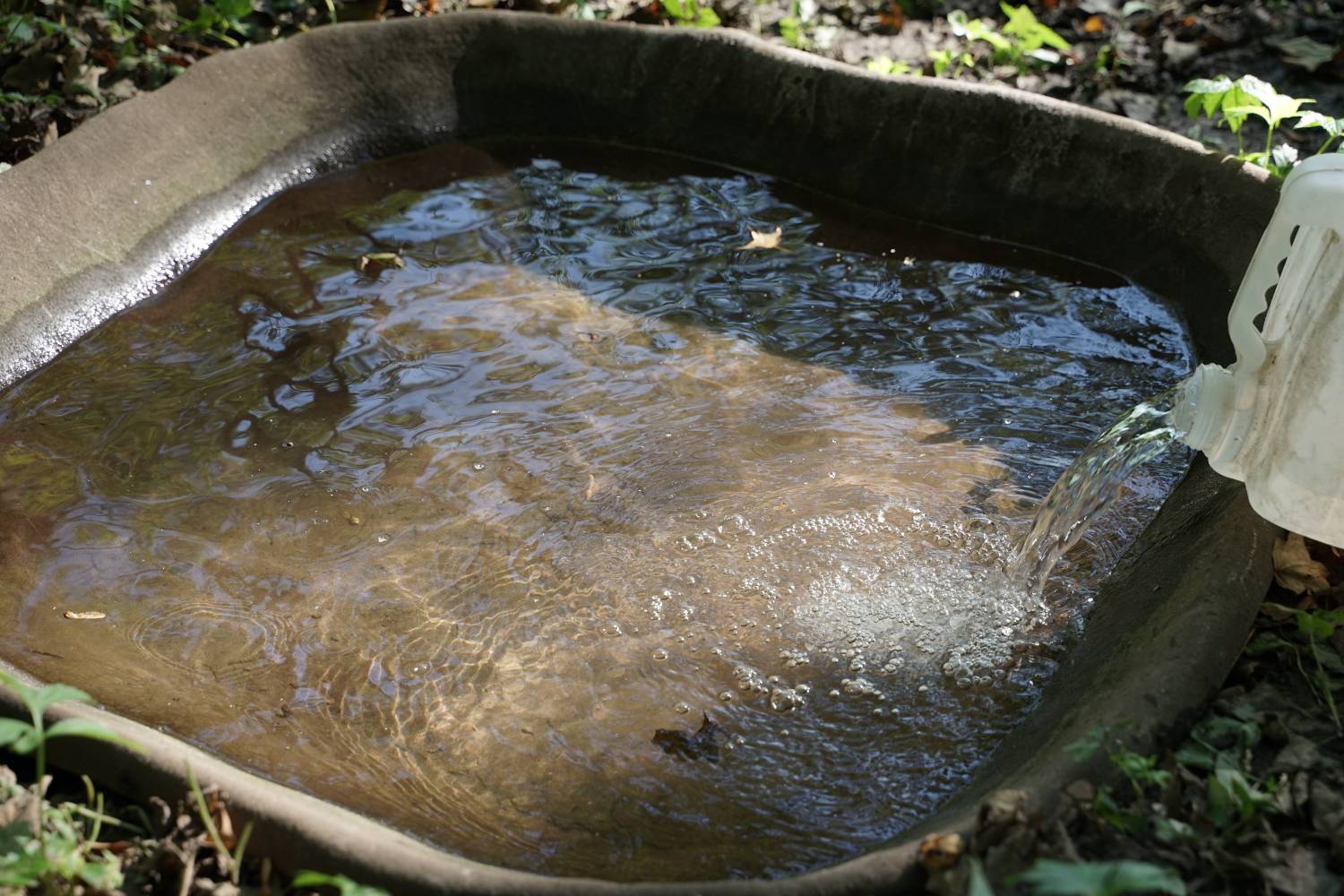
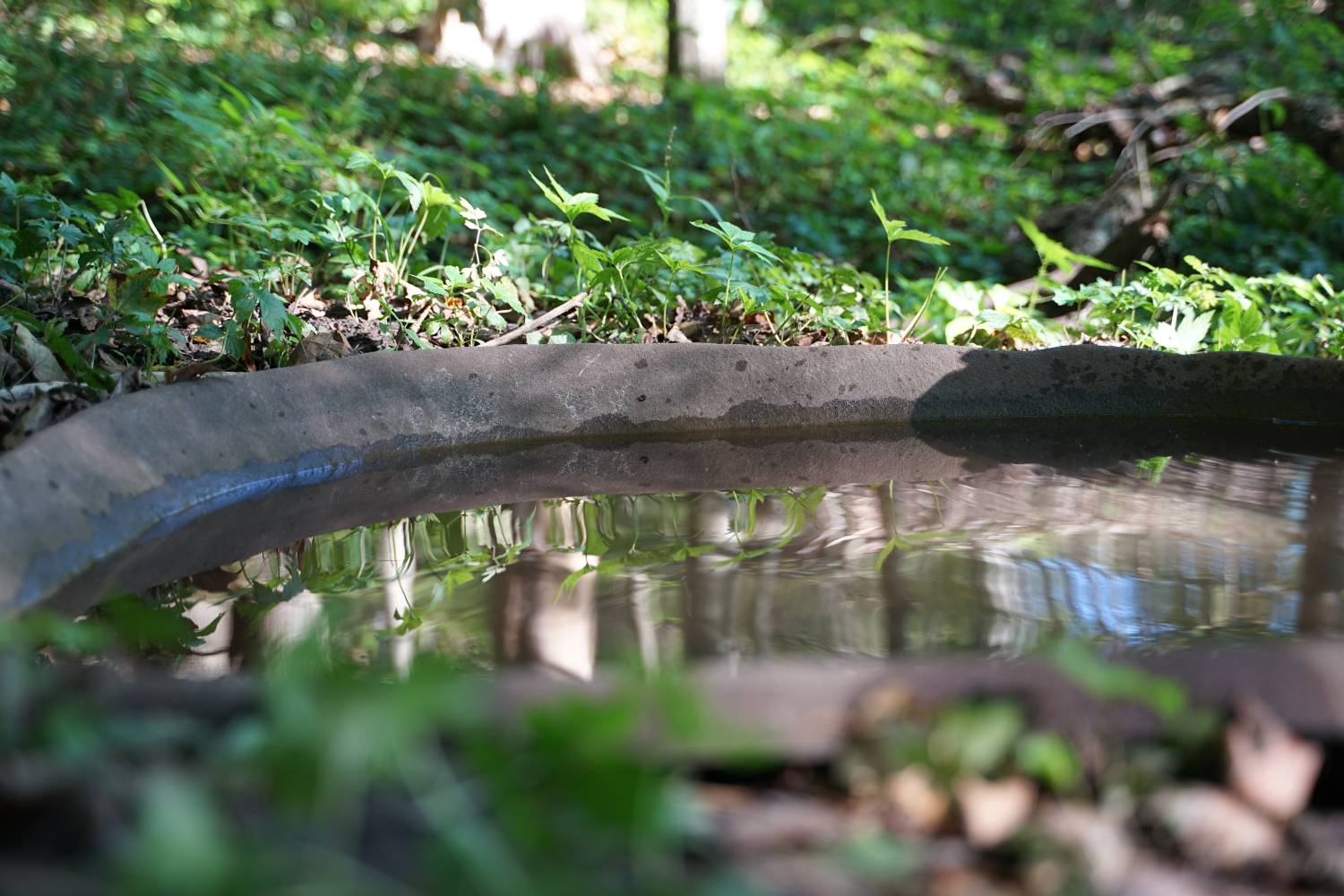
If water is your ‘lowest hole in the bucket’, per se. Fill it, literally. Water is absolutely critical for dry, fall months for whitetails who don’t have regular access to it. Deer receive a high percentage of their water intake from the moisture in plants they eat, but they’ll still use a man-made water source.
Small ponds add value to your property, and attract deer in daylight hours when they are strategically placed. Man-made waterholes can work good too, just make sure you have a method of re-filling them often.
Install a New Plot
You know the “take the trip” saying, about traveling while your children are still young, even though it’s stressful? The same applies here when thinking whether you should take the plunge and spend time and resources clearing land for a new food plot.
I get it. Clearing land is expensive if you hire a professional, time-consuming if you tackle the project yourself, and aesthetically changes your property for your lifetime. There is no easy decision or non-emotional decision when choosing whether you should drastically alter your property.
But if your land needs food to improve your hunting opportunities, you need to go for it. Bigger isn’t always better, but anytime you can influence the daylight movement of deer to your land, you should do it. When you influence overall movement of deer to a specific food plot, you can pattern and predict movement.
The power of a tucked away, “hidey-hole” food plot in the middle of the woods is one of the most powerful weapons against savvy, mature whitetails. Mark Drury told me, “If you’re inside a deer’s bedroom on food, that’s the ultimate for the rut in my opinion. We position them to where a doe may trickle through in range with a buck following. We also have food closer to bedding areas where the first hour and last hour can be quite good.”
If you don’t have food to hold and attract bucks, you need it.
Conservation and Habitat Programs
Usually the best-laid habitat plans are well-thought out and prepared in advance. Government programs are sometimes restrictive and aren’t quite aligned with your goals, but other times they make perfect sense and can even cut costs on taxes and equipment needed for larger implementation projects such as the Conservation Reserve Program or completing Managed Forest Law requirements. Nick Kocks said, “EQIP is one program that stands out to me, especially with the fight against invasive species which has become extremely popular the last few years.”
The off-season is a perfect time to start communicating with your local conservation offices to set up appointments to find out how programs you may qualify for can help take your land to the next level.
Be sure you know what you’re signing up for first. Many state or federal programs have specific restrictions, and you’re typically locked into a long-term contract.
Unless you can purchase a turn-key property prepared by someone, it’s unlikely you can walk onto a hunting property and not think of a few improvements needing to be made. Now is the time to attack a few projects and check them off your list.
Skip Sligh summarized by saying “Just get started. Get appointments on the books and kindly push NRCS employees to research and find programs with cost-sharing that you may qualify for. There are funds for just about anything. Start with a state forester and your NRCS office.