


Heath Wood
By December, the woods feel different. The craziness of the rut has calmed, many buck tags are already filled, and the pressure of peak season begins to fade. For a deer hunter like myself, who was lucky enough to tag a buck earlier in the season, the focus shifts from antlers to food. I usually hunt hard from mid-September until the end of November, when the rut winds down. After a week or two of rest, Thanksgiving with family, and a little recharge, December becomes a meat hunter’s month. As winter nears, it’s time to fill the freezer. Not only is this period great for providing healthy, delicious wild game for our families, but it’s also when wildlife managers rely most on hunters to help control deer populations by harvesting does.
Filling the freezer isn’t just about pulling the trigger. It’s a strategic process, driven by herd management, late season food sources, efficient stand setups, and smart processing practices that begin the moment the deer hits the ground. After taking a break from hunting, I usually find myself watching more than my fair share of football. Once I’m ready to hunt again, I apply that football mindset and craft a December meat hunter’s playbook, per se, designed for hunters who want to end the year with a well stocked freezer and a well managed deer herd.
Why Does It Matter: Herd Management as Seasons Wind Down

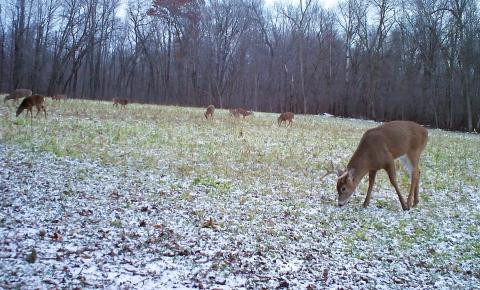
Late season is the ideal time to hunt does. Throughout November, buck focused hunters often pass on does to avoid spooking rutting bucks. But in December, many of those that avoided pressure are still on consistent, predictable feeding patterns as they prepare for the upcoming harsh winter, making them the most dependable deer to hunt all season.
Taking a doe in December directly benefits healthier deer populations. It reduces stress on winter food sources, keeps the overall herd balanced, and sets up a stronger fawn crop in the spring. Wildlife agencies rely on hunters to harvest does during this time of year. In fact, my home state of Missouri has added an antlerless only season during the first weekend of December, allowing hunters to focus on harvesting more does to help their herds, as it’s the last chance to make meaningful adjustments before winter truly sets in.
For private land hunters, removing a few extra mouths can significantly improve habitat quality. For public land hunters, harvesting a doe late in the season often helps reduce pressure on limited food and cover. That’s why many say this time of year isn’t just about filling the freezer; it’s deer management at its most practical level.
Follow the Food: Zeroing In on December Hotspots

The appeal of late season meat hunting lies in its simplicity. By December, deer are motivated mainly by one thing: calories. Their biology drives them into energy saving mode, and their routines focus on the best, most accessible food. Additionally, more food means warmer bodies during the cold.
The Most Dependable Late Season Food Sources
Cut Beans & Picked Cornfields
The classic winter buffet. After harvest, waste grain becomes deer heaven. Cold weather increases the draw tenfold, especially on evenings before the temperature drops. When hunting for this type of food in the late season, expect to see many deer.
Green Plots
Clover, winter wheat, winter rye, and brassica blends continue to attract wildlife through December. Brassicas, in particular, taste better after frosts, making them especially tempting. If your green plots are still active in December, you will find hungry does packing on extra calories.
Natural Browse
In open or forested areas, deer depend on native browse such as honeysuckle, greenbrier, sumac tips, acorns (if available), and woody shoots. Thick cover near these food sources becomes a key focus, especially during snow or ice, when grasses are covered and hard to access.
Thermal Cover Adjacent to Food
Cedar thickets, south facing slopes, and dense cutovers offer windbreaks and warmth. When these areas are within 150–300 yards of a food source, you’ve found a high percentage setup. Again, during rough weather, these are the prime spots to hunt large groups of deer.
Efficient Setups: Simple, Cold-Focused, and Reliable
Late season hunting revolves around stealth and efficiency. Deer have experienced pressure for months. Any careless movement or noisy entry can eliminate an entire food source for days. Approach early, leave after dark, and take the most hidden route from point A to B.
Evening Hunts Win
Morning hunts often risk bumping deer already bedded close to food. Evenings offer the best chance at catching relaxed does on predictable feeding patterns. Back off the field center and focus on staging areas, soft edges where deer pause before entering food. These spots offer higher daylight movement and more shot opportunities.
Stay Warm to Stay Still
December sits can become miserable quickly. Warmth equals patience, and patience fills freezers. Heated clothing, insulated boots, hand warming pockets, and wind blocking layers make the difference between climbing down early and tagging a deer at last light. In recent years, my respect for insulated blinds has increased, especially during the late season. A small heater can keep a late season hunt warm and comfortable, rather than a long, cold, miserable sit. For meat hunts, comfort matters. A steady rest, wind protection, and the ability to quietly shift position make ground blinds extremely valuable this time of year.
Shot Selection: Ethical, Accurate, Efficient
Now that our playbook has given us direction on when and where to hunt late season, it is vital to be aware of the shot. Meat hunters focus on maximizing yield and minimizing waste. Good shot placement ensures clean kills and clean meat. Broadside or slight quartering away shots offer minimal meat damage and maximum vital exposure. Avoid shoulder breaking shots unless necessary. High shoulder and quartering to shots work, but they destroy more meat. Precision pays in venison. Be patient before pulling the trigger, and processing becomes much cleaner and easier.
Field-to-Freezer Best Practices
Good venison starts well before it hits butcher paper, and following a few field-to-freezer best practices makes all the difference. Quick recovery is vital; blood trailed deer cool faster and more evenly when found promptly, even in cold weather. Keeping the carcass clean also matters, since dirt, pine needles, and hair can affect flavor. Use game bags or lay down a tarp while field dressing. Once recovered, focus on cooling the meat; even in December, a hide can trap heat, so hang the deer where air can circulate or, if temperatures vary, quarter it and store the pieces in a cooler with ice. When butchering, trimming liberally, removing tallow, silver skin, and glands vastly improves taste, a step that seasoned meat hunters take as seriously as the shot itself. Finally, package the meat for long term storage by vacuum sealing, labeling each pack with the cut and date, and rotating your supply so nothing sits too long.
Why December Is the Best Month to Fill the Freezer
For many hunters, December is when everything finally settles down. You’re no longer trying to outsmart an unpredictable rutting buck. Instead, the focus turns to following the food, hunting smart, staying warm, and making clean, ethical kills.
The result will be a freezer full of steaks, roasts, burgers, and sausage, enough to sustain your family through the winter and give you the satisfaction of knowing your efforts support a healthy deer herd. December may be the final chapter of deer season, but for the meat hunter, it’s often the most productive.