




By Heath Wood
Spring turkey hunters are no strangers to unpredictable weather. One minute, the woods are calm and crisp, and the next, a steady drizzle begins to fall through the hardwood canopy. For many hunters, rain is a signal to head back to the truck. But experienced turkey hunters know that rainy days can create excellent hunting opportunities.
Years ago, rain posed a real challenge for turkey callers. Early box calls, slate calls, and other traditional friction calls were notoriously unreliable when they got wet. I can recall being a young boy, turkey hunting with my grandfather. For the first year, I tagged along without a gun, watching and observing his every move. Every evening during the spring season, I would wait by the phone for his call, “Do you want to tag along with me in the morning?” he would often say. Yet, if there was rain in the forecast, you might as well figure we were not going. Grandpa always used a custom-made, fence-post-style box call. If there was any kind of moisture in the air, his box call sounded like a donkey braying, instead of a hen turkey. Now, today, rain doesn’t stop turkey hunters from staying out in the woods, and many call designs are waterproof and allow hunters to still call, no matter if it is raining, windy, or any other type of harsh weather, that once kept hunters home.
Today, technology and modern materials have changed that. Waterproof box calls, synthetic-slate surfaces, glass and aluminum pots, and even weather-resistant push-button calls let hunters stay in the woods longer and keep communicating with gobblers even when the weather turns wet. Combine that with fewer hunters in the woods and dampened forest noise, and rainy days can provide a unique advantage for the patient turkey hunter.
Below are some of the most effective turkey calls and hen sounds to use when hunting in the rain.
Why Rain Can Improve Turkey Hunting
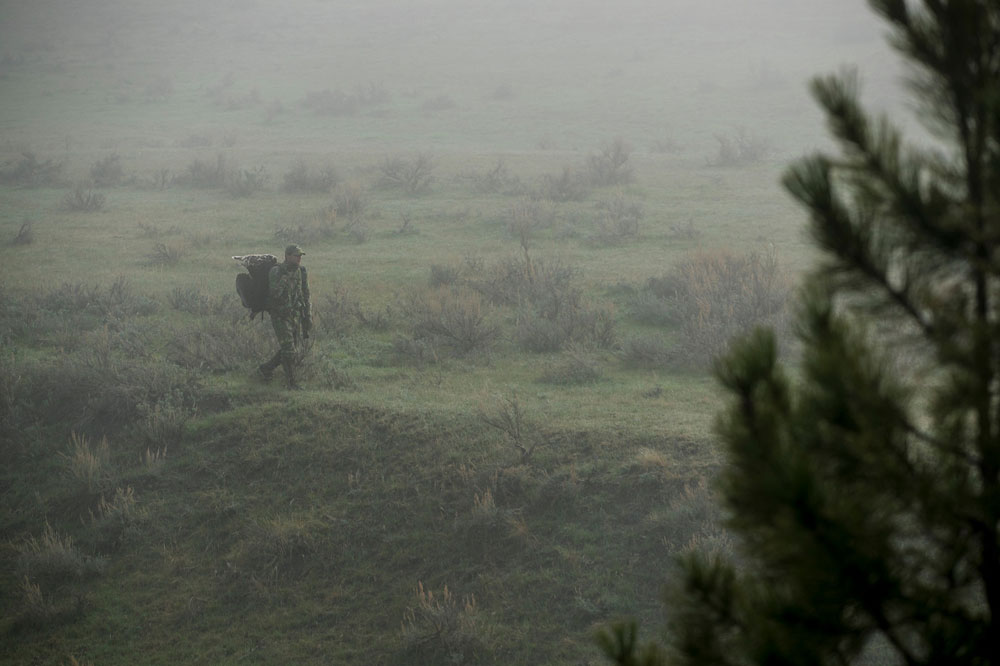
Rain changes the woods in several ways that can work in a hunter’s favor.
First, fewer hunters venture out in bad weather. That reduction in pressure often means gobblers behave more naturally and may be more willing to investigate calls.
Second, rain dampens the forest floor. Wet leaves and soft ground allow hunters to move more quietly, making it easier to reposition or close distance on a bird.
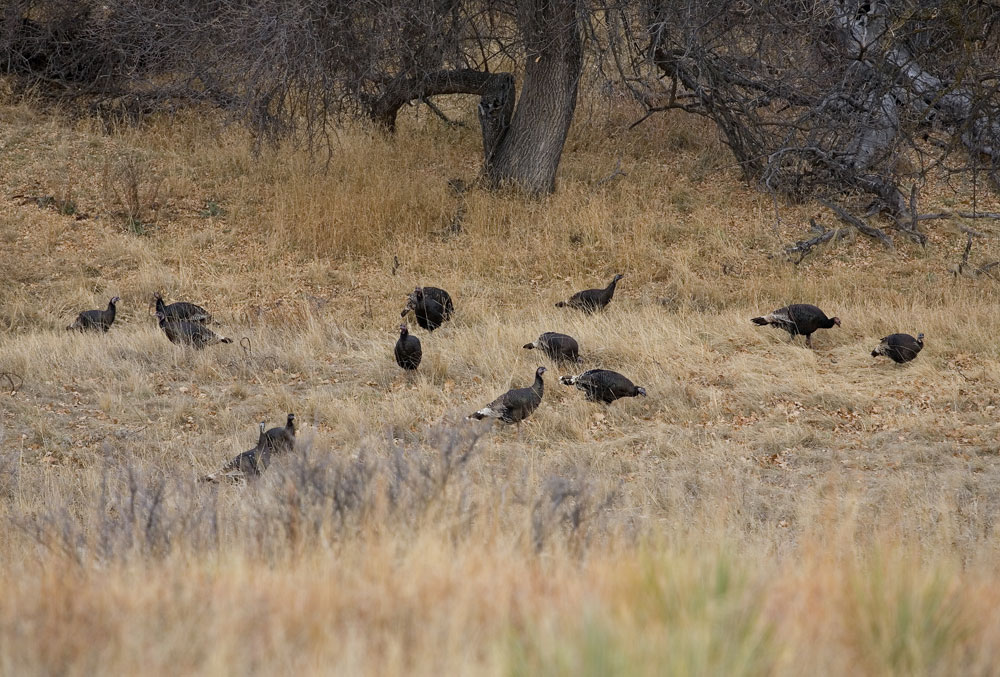
Finally, turkeys often prefer open areas during rainy conditions. Fields, logging roads, and open hardwoods allow them to see predators more easily when visibility is reduced. Knowing this helps hunters focus their setups in the right locations.
Calling strategy also changes slightly in wet weather.
Waterproof Friction Calls
Modern friction calls are much more rain-friendly than their predecessors. Calls made with synthetic surfaces like glass, crystal, or aluminum paired with carbon or waterproof strikers can still produce clear, sharp sounds even when conditions are damp.
Box calls designed with waterproof coatings or synthetic paddles are also excellent rainy-day options. Because box calls naturally produce louder volume, they help reach gobblers when rainfall muffles sound in the woods.
When using friction calls in the rain:
- Keep the call in a pocket or under your jacket when not in use
- Wipe surfaces periodically
- Carry a second striker in case one gets saturated
- A loud box call series of yelps can often cut through the sound of falling rain and help a gobbler locate you.
Loud Locator Yelps
Rainfall can absorb and scatter sound, especially in thicker timber. That’s why louder yelps are often effective during wet conditions.
Use excited hen yelps to reach out and locate gobblers that may be feeding quietly or traveling through fields. A series of sharp yelps every 10–15 minutes can help you cover ground without overcalling.
If a gobbler responds but seems hesitant, tone things down and transition into softer hen talk.
Clucks and Soft Yelps
Once a gobbler is in the area, subtle calling usually becomes more effective.
Soft clucks and short yelp sequences mimic relaxed hens feeding and moving through the woods. Because rainy days often encourage turkeys to feed longer, these natural feeding sounds can convince a gobbler that hens are nearby and comfortable.
Short, spaced-out calling sequences are usually more realistic than aggressive calling once the bird is close.
Feeding Purrs
Few turkey sounds are as effective on a calm or rainy morning as feeding purrs.
Turkeys frequently spend rainy periods scratching and feeding, and feeding purrs perfectly match that behavior. Mixing purrs with light clucks creates the sound of content hens feeding along a field edge or open timber flat.
These soft sounds work especially well when a gobbler is within sight but hesitant to close the final distance.
Push-Button Calls for Wet Weather
Push-button calls are sometimes overlooked by experienced hunters, but they can be extremely effective in rainy conditions.
Because they rely on internal friction and simple pressure rather than exposed surfaces, they often function better than traditional pot calls during steady rain.
They are also easy to operate with one hand while keeping the other on your shotgun, making them useful when a gobbler suddenly appears.
Adjusting Your Calling Strategy
Rain doesn’t just affect the calls you use—it should also influence how often and how aggressively you call.
On rainy days:
- Start with louder calls to reach distant gobblers
- Reduce volume once a bird responds
- Use feeding sounds to mimic natural behavior
- Call less frequently and let the gobbler search for you
- Patience is key. Turkeys may move slower in wet conditions, but they will often investigate realistic hen sounds.
Rainy Day Opportunities
Some of the most memorable turkey hunts happen when the forecast looks questionable. A light rain can quiet the woods, reduce hunting pressure, and put gobblers into predictable feeding patterns.
Modern call designs mean hunters no longer have to pack up when the weather turns wet. With the right equipment and a realistic calling strategy, rainy mornings can turn into productive hunts.
So the next time the forecast calls for drizzle, don’t be too quick to stay home. Grab a waterproof call, slip into the woods, and start talking turkey. The gobbler that answers might be the only one in the county that hasn’t heard a hunter all morning.
Read More: Turkey Hunting in Rainy, Cold, or Windy Weather